 Intellect Plus
Cultural venues
142 cards. Each one is a 40-second story with a five-minute read behind it. Page 3 of 3.
 Chinese dragons fly without wings, thanks to a lump on their headsUnlike Europe's fire-breathing monsters, the Chinese dragon brings rain, luck and prosperity. It has a stag's antlers, a carp's scales and an eagle's claws, yet most versions have…
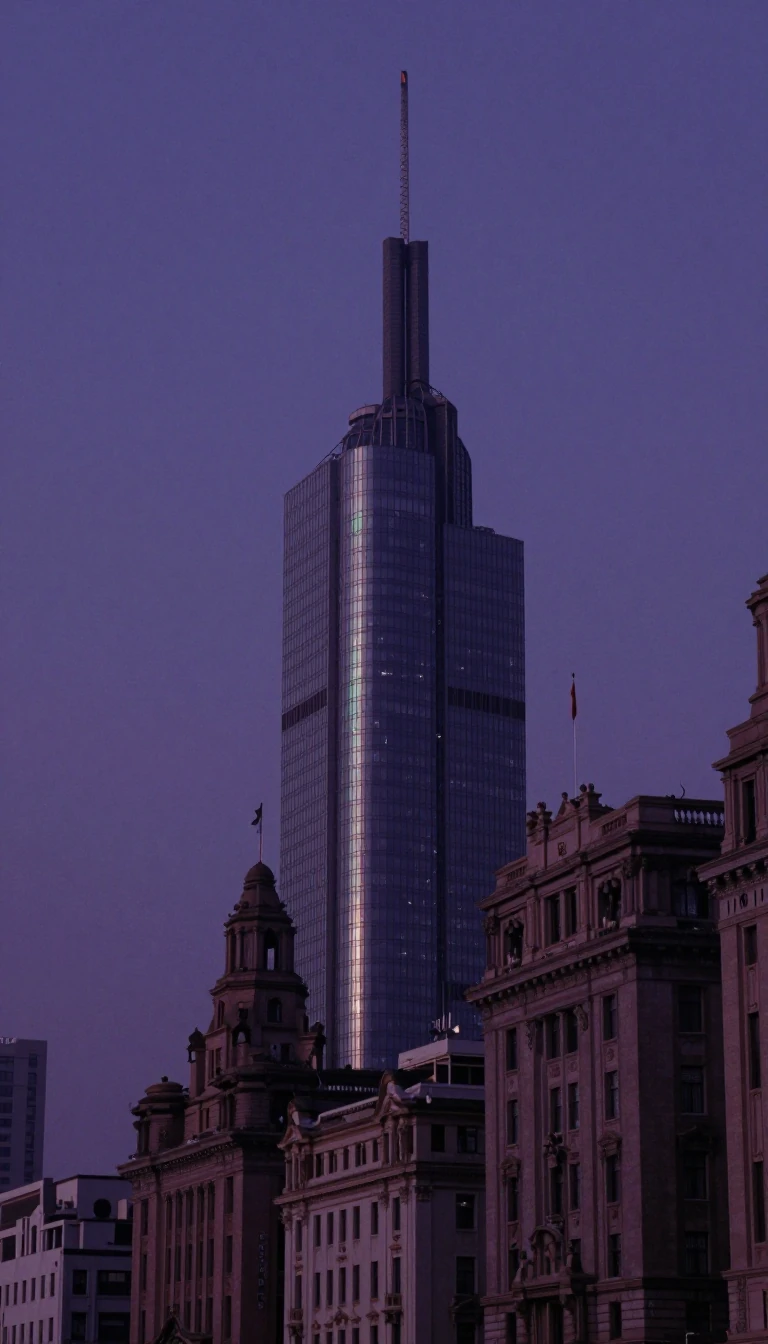 The Chrysler Building's steel crown was tested for 30 years and barely agedFor 11 months after 1930, a Manhattan tower paid for by a car magnate out of his own pocket was the tallest building on Earth. Its gleaming crown used a German stainless steel nev…
- Babe Paley made the best-dressed list 14 times, then entered its Hall of FameA brain surgeon's daughter from Boston, Babe Paley rose from an entry-level job at Glamour to fashion editor at Vogue, married the man who ran CBS, and became the socialite Truman…
 Canada still gets Dutch tulips every spring because of Queen Beatrix's wartime childhoodBefore she was Queen of the Netherlands, Beatrix was Trixie Orange, a refugee pupil at an Ottawa primary school while Germany occupied her homeland. She later reigned for 33 years…
 Britannia only swapped her spear for a trident in 1797The helmeted woman with a trident on British coins began as a Roman idea. A marble frieze from the first century shows her crushed beneath Emperor Claudius. It took Elizabethan na…
 The giant Canada goose was thought extinct until a flock turned up in 1962Written off as extinct in the 1950s, the giant Canada goose reappeared as a small wintering flock in Rochester, Minnesota. Breeding programmes followed, and today the species is s…
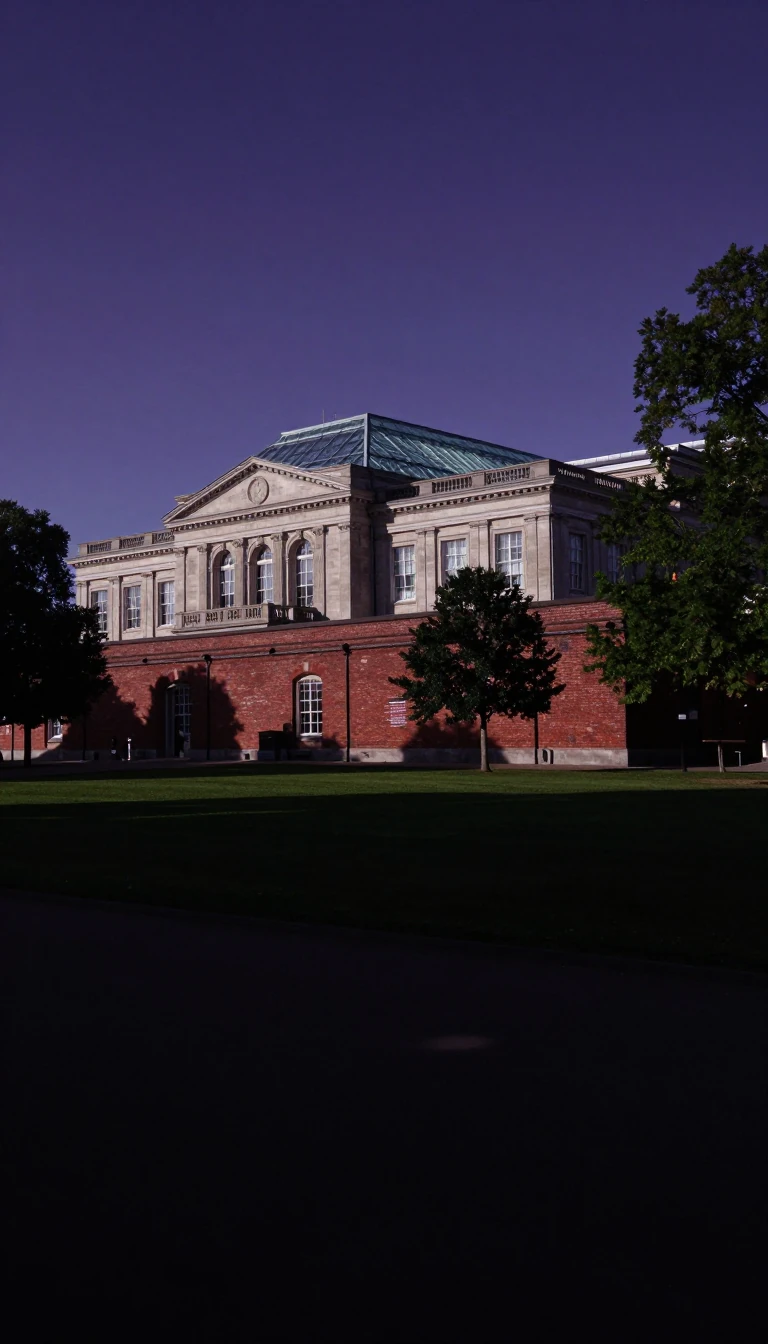 New York's natural history museum began in a park arsenalAlbert Bickmore wanted an American rival to Europe's city museums of nature. After lobbying Theodore Roosevelt Sr. and surviving Tammany politics, the collection opened in Central…
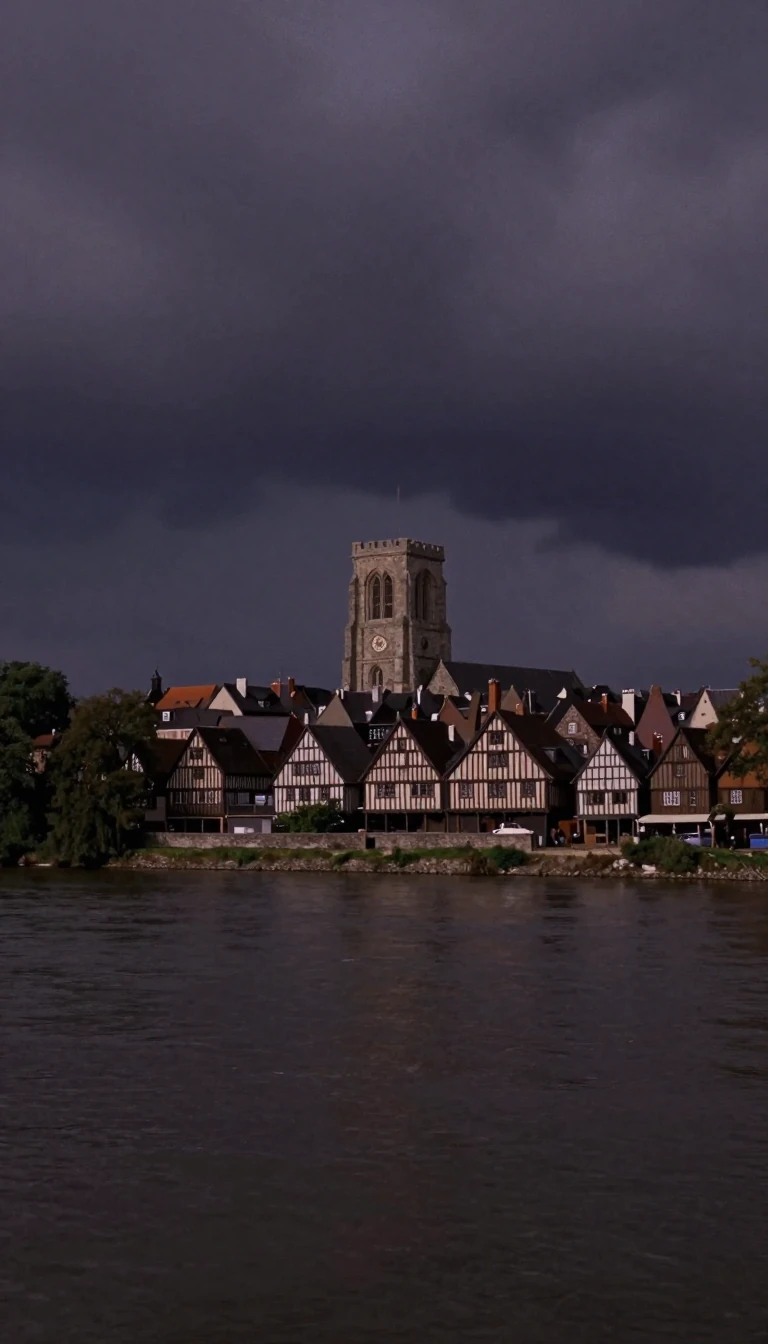 The world's first public national museum began in 1753Sir Hans Sloane offered the nation roughly seventy-one thousand curiosities for far less than their market value. Parliament said yes, and Bloomsbury gained an institution that be…
 Catherine the Great bought 225 paintings and founded a hermitageIn 1764 the Russian empress purchased a Berlin dealer's Western pictures and tucked them into private Winter Palace apartments meant as a refuge from court. That royal hideaway gr…
 The Louvre opened as a republic's museum in 1793What began as Philip II's medieval fortress and later a royal palace became a public gallery on 10 August 1793—exactly a year after the monarchy fell. Five hundred thirty-seven pa…
 The Met treats African art as art, not ethnographyFor decades Western museums filed African, Oceanic, and American objects as "primitive" specimens. After Nelson Rockefeller's gift of more than three thousand works, the Met opene…
 The first commercial movie house charged a quarter in 1894Thomas Edison bet on peephole Kinetoscopes, not shared screens. On 14 April 1894 the Holland Brothers opened a New York parlor with ten machines in two rows—twenty-five cents for …
- Orsay's Impressionists hang in a rescued train stationBuilt for the 1900 Exposition Universelle, the Gare d'Orsay was nearly demolished for a hotel until culture ministers listed it. Redesigned in the 1980s, it opened in 1986 as the …
- Madrid's Prado began as a natural-history cabinet that never openedCharles III ordered Juan de Villanueva's Enlightenment building for specimens, not masterpieces. His grandson Ferdinand VII, urged by Queen María Isabel, turned the unfinished she…
- The first public museum opened in Rome in 1734A Babylonian princess may have labeled relics around 530 BC, and Alexandria's Mouseion was a temple of learning under the Ptolemies. But ordinary visitors only gained a true publi…
 MoMA opened nine days after the 1929 crashAbby Rockefeller, Lillie Bliss, and Mary Sullivan rented rooms in the Heckscher Building and launched America's first museum devoted solely to modern art while Wall Street was sti…
 London's National Gallery started with 38 bought paintingsContinental capitals nationalized royal collections; Britain kept the Crown's pictures private. In 1824 Parliament paid £57,000 for banker John Julius Angerstein's thirty-eight ca…
 Beijing's national museum fills the world's largest museum buildingFacing the Great Hall of the People across Tiananmen Square, one 1959 "Ten Great Buildings" block now holds more than 1.4 million objects in about 200,000 square metres—the bigges…
 London's nature cathedral once destroyed its own insectsBefore Alfred Waterhouse's terracotta palace opened in 1881, the British Museum's natural history rooms were a scandal: keepers burned rotting specimens, and by 1833 none of Sloan…
 A British chemist's will founded America's SmithsonianJames Smithson never visited the United States, yet when his heir died childless his fortune crossed the Atlantic in 105 sacks of gold sovereigns. After years of congressional bic…
- Florence's Uffizi began as Medici offices, not a museumVasari's 1560 complex for Cosimo I packed republican committees into one building—uffizi means offices. The top floor became a private gallery of Roman sculpture for family guests…
 One dug-up marble launched the Vatican MuseumsOn 14 January 1506 a vineyard near Santa Maria Maggiore yielded the Laocoön group. Julius II sent Sangallo and Michelangelo to look, bought the Trojan priest and his sons within a…