 Intellect Plus
Pigments
10 cards. Each one is a 40-second story with a five-minute read behind it.
 The chemistry of color: understanding Renaissance blue and redEver wondered what makes a masterpiece truly pop? This video explores the history of pigments, offering three essential facts to help you appreciate museum art with deeper context.
 The alchemy of Mughal art: extracting vibrant color from raw stoneDiscover the meticulous craftsmanship behind some of history's most exquisite manuscripts. This video demonstrates how royal workshops transformed raw minerals into the vivid pigm…
 The chemistry of color: understanding the divide between natural and synthetic pigmentsWhy does a tube of paint look the way it does? This video explores the fundamental differences between traditional natural sources and modern synthetic chemistry in the world of a…
 How industrial chemistry gave Impressionists their signature vibrant paletteExplore how the birth of synthetic pigments fundamentally altered the visual language of art. This video examines Claude Monet’s 'The Gare St-Lazare' to reveal how scientific inno…
 The lethal price of light in Johannes Vermeer’s masterpiecesVermeer's signature glow may have been fueled by a deadly substance. This exploration reveals the toxic reality of lead white, the pigment that defined his brilliance while potent…
 The evolution of green from ancient minerals to modern chemistryGreen has been a challenging color for artists to master for two millennia. This video traces the pigment's journey from crushed minerals and organic mixtures to synthetic laborat…
 The chemistry of color: understanding the building blocks of artThis video introduces the fundamental world of pigments, exploring how raw materials are transformed into the colors used by artists. It serves as an essential primer for anyone l…
 The high price of blue: why some shades were once reserved for royaltyFor centuries, the color blue was a luxury of the elite. Because natural blue minerals were rare and difficult to extract, artists often reserved the most vibrant shades for the m…
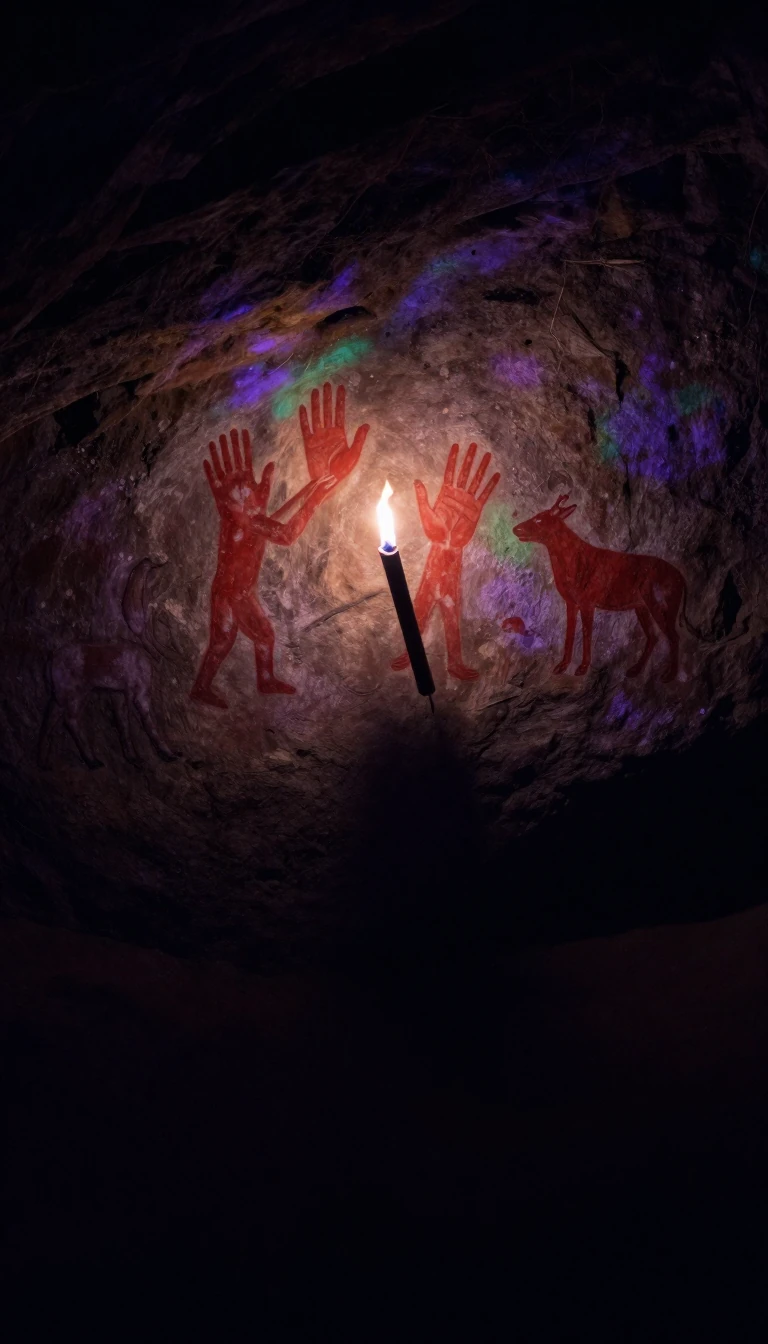 From prehistoric cave prints to imperial carriages: the evolution of redRed is one of humanity's oldest visual languages. From the first handprints in French caves to the scarlet robes of Chinese emperors, the pursuit of this specific hue has driven c…
 The Victorians' favourite green was made with arsenic.Scheele's green, invented in 1775, coloured 19th-century wallpaper, dresses, candles, toys and even sweets. It was a copper arsenite. Journals reported children wasting away in gr…