 Intellect Plus
History by subject matter
149 cards. Each one is a 40-second story with a five-minute read behind it. Page 3 of 3.
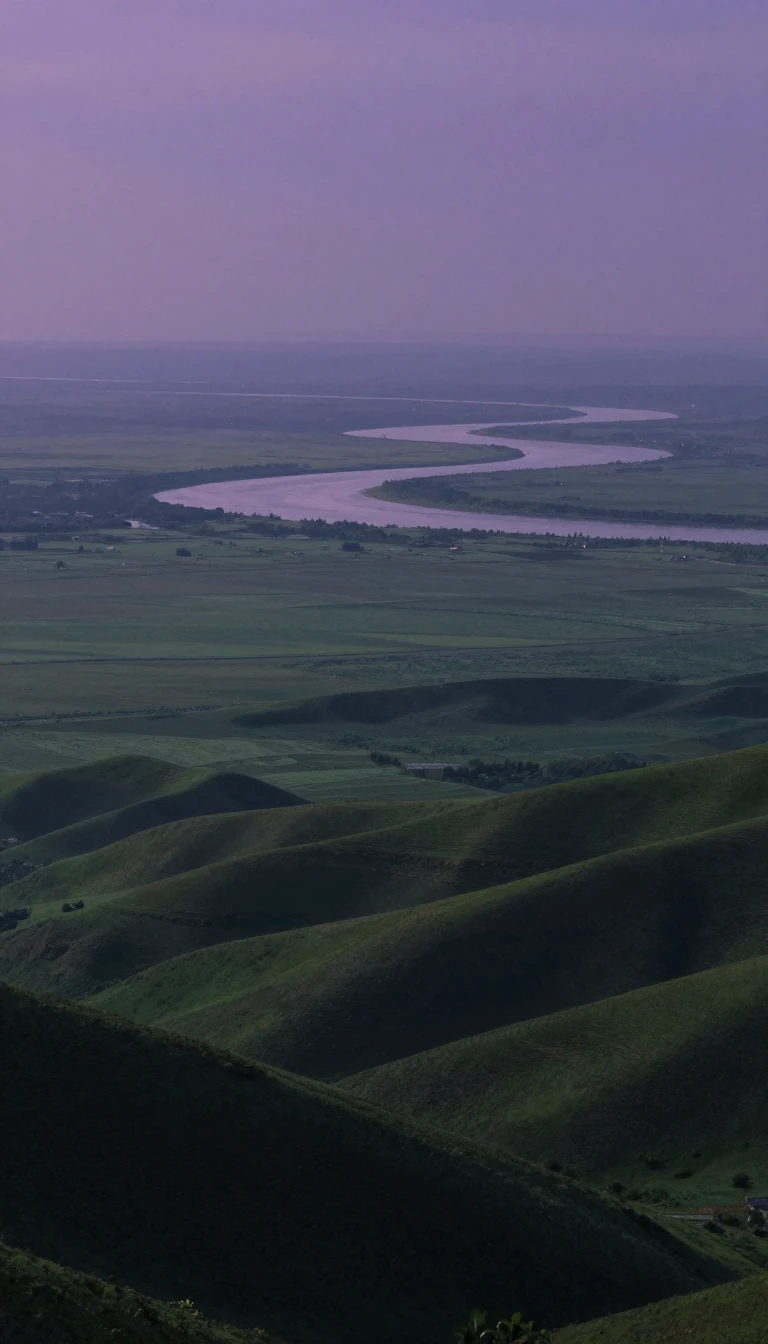 Fossil fish on mountains puzzled Greeks firstGeology studies Earth’s origin, history, and structure. Xenophanes noted fossil fish and shells on mountains in 540 BC; Herodotus echoed them about 490 BC. Aristotle watched slow …
 A synthesis of Indian traditions, not a single foundingHinduism’s history gathers related Indian subcontinent traditions from Iron Age roots, with strands that may reach prehistoric and Indus Valley cults. Scholars treat it as fusion …
 Seventh-century mission, then empires and debatesHistorians date Islam’s start to Muhammad’s seventh-century mission in Mecca and Medina; Muslims read it as restoring Abrahamic faith. Early conquests across Arabia and weakening …
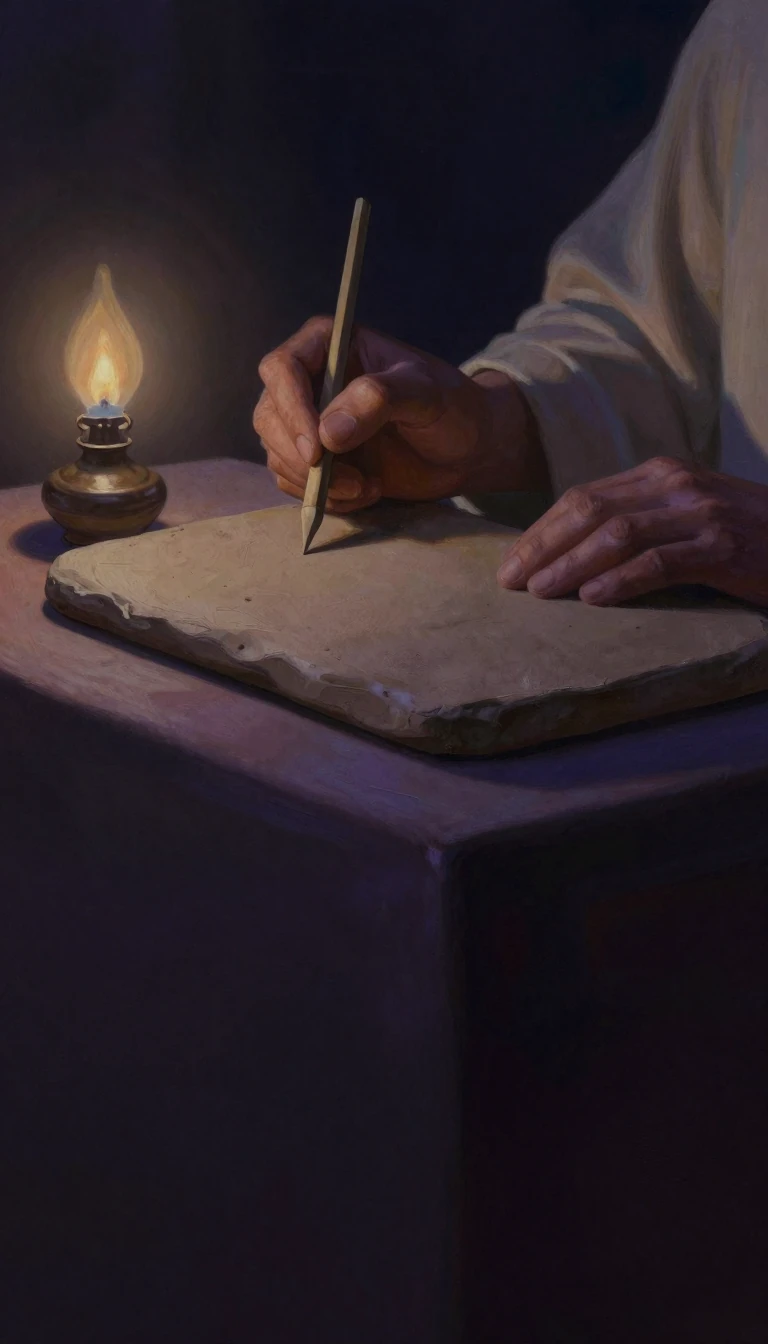 From Sumerian word-lists to Saussure’s autonomyLinguistics analyses form, meaning, and context. Mesopotamian lexical lists from the third–second millennia BCE glossed Sumerian cuneiform and foreign phonetics; Sanskrit analysis…
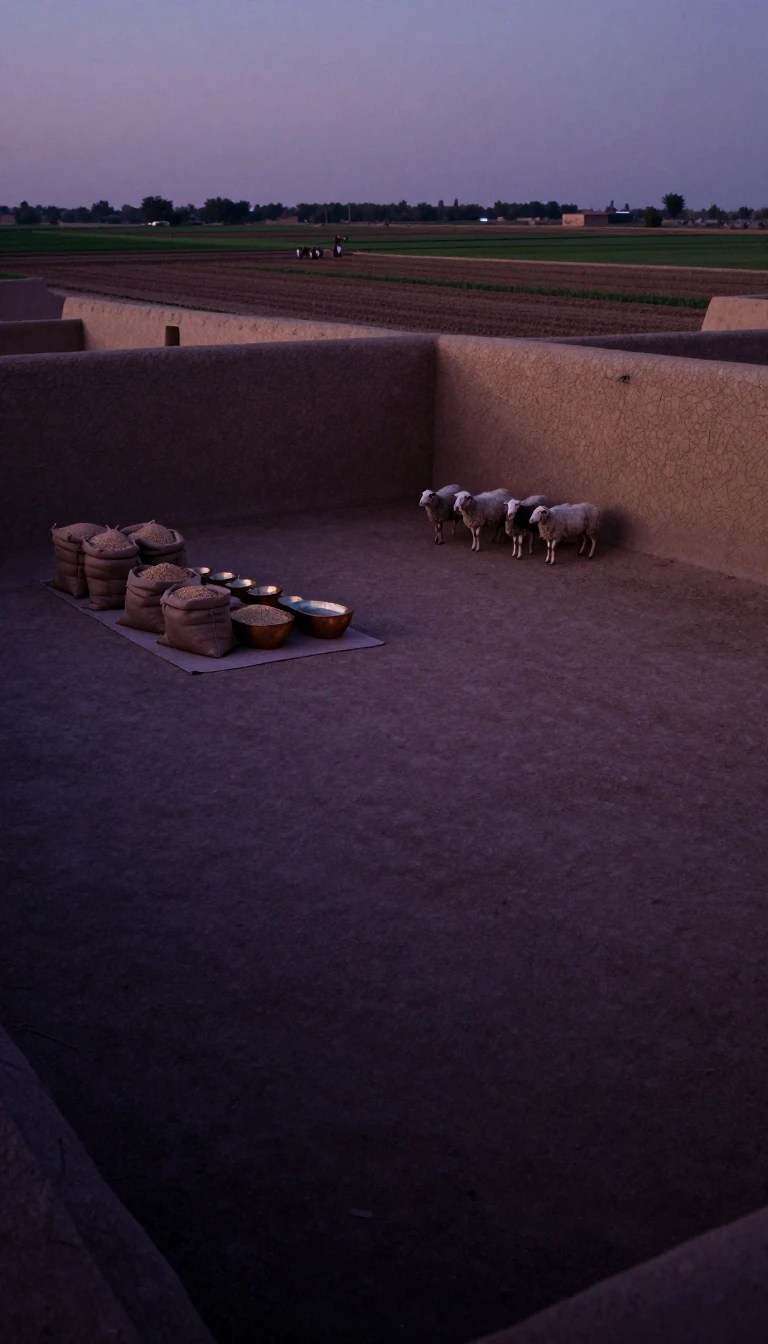 Writing began as accounting before it told storiesLiterature’s history tracks prose and poetry meant to entertain or teach—and the techniques that carry them. Oral myth in hunter-gatherer bands came first; writing arose independe…
- Humorism ruled until the microscope’s centuryMedical history studies healing practices across societies, drawing on economics, sociology, and politics for context. Early traditions rose in Babylon, Egypt, China, and India. R…
 Bone flutes date music to about 38,000 BCEvery known culture makes music, a cultural universal whose origins stay contested and often tied to language debates. Upper Paleolithic bone flutes firmly date prehistoric music …
 Opera began in 1597 with Peri’s lost DafneOpera is young beside music history: Jacopo Peri’s Dafne (1597) opened the genre. Latin opera means works. Orchestra plus libretto and singers of different tessituras fuse drama, …
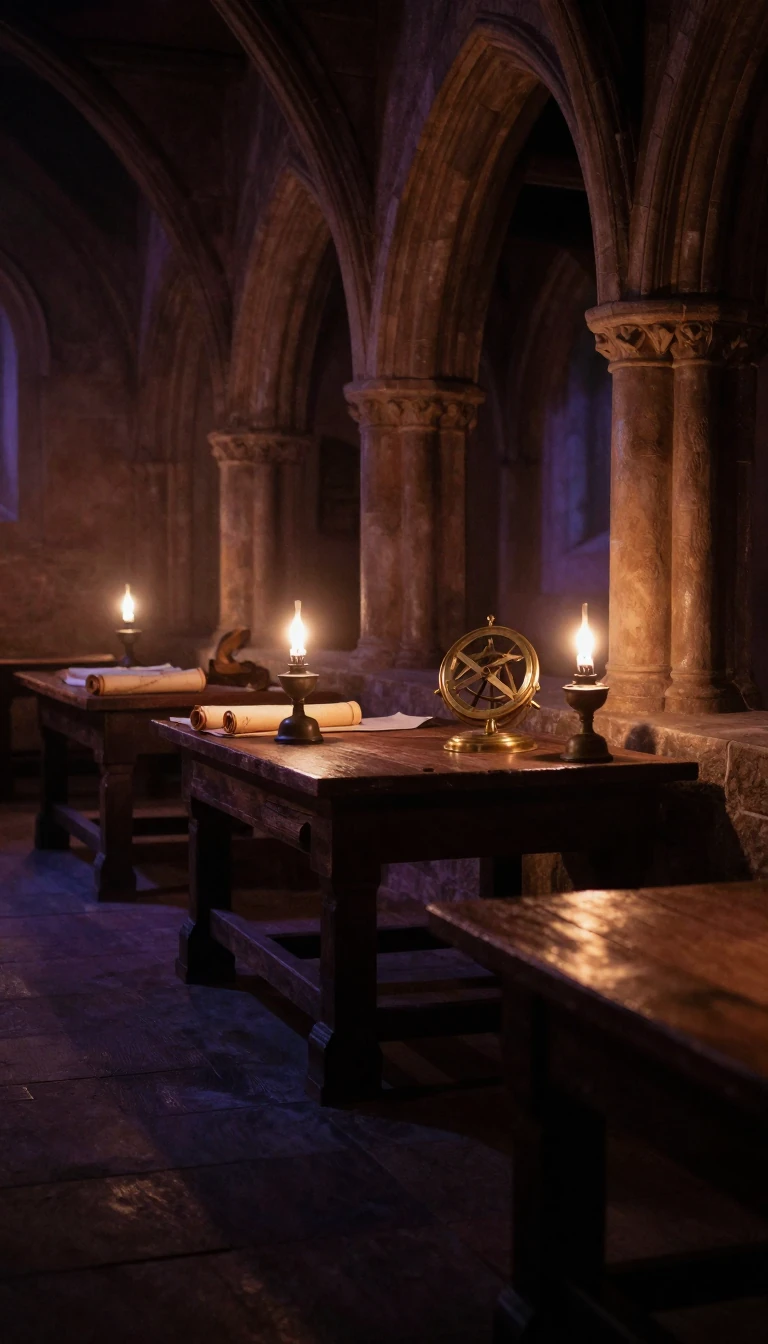 Greek cosmos questions met Vedas and ConfuciansHistory of philosophy maps rational argument’s development—though some include myth and proverb. Western lines start with Greek cosmos inquiry; Arabic–Persian thought peaked in th…
 Gravity’s century turned philosophy into physicsPhysics studies matter and energy—topics ancients debated without separating cause from superstition. The seventeenth-century Scientific Revolution, especially gravity’s law, bega…
 Athens dominates textbooks; Zhou China had schools tooPolitical thought’s history spans methods and ideas across philosophy, law, history, and political science. Western surveys elevate Athenian democracy and Socrates, Plato, and Ari…
 Leipzig 1854: Fechner’s experiments launch a sciencePsychology, the science of behavior and mental processes, had philosophical roots in Egypt, Persia, Greece, China, and India. Experimental study began in 1854 Leipzig when Gustav …
- Egypt and Mesopotamia seeded what Greece formalizedHistory of science tracks natural, social, and formal sciences from antiquity—plus Bronze and Iron Age protosciences like alchemy and astrology. Egypt and Mesopotamia in the third…
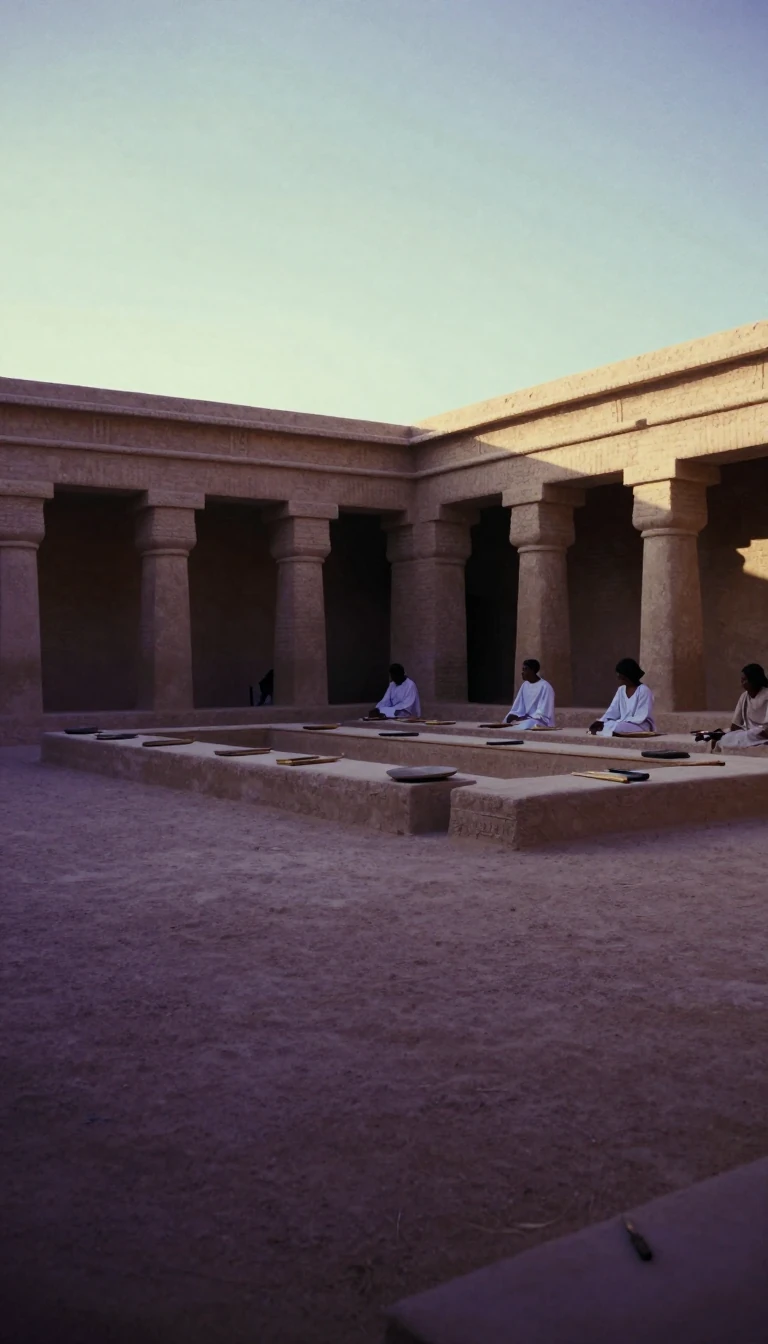 Neolithic farms made mass chattel slavery likelierSlavery’s history crosses cultures and faiths from antiquity to now, with victims of many ethnicities and statuses that varied wildly by system. Hunter-gatherers sometimes held he…
 Huizinga said play is older than culture itselfGames formalize play across every culture, carrying worldviews, teaching skills, and marking status—sometimes as royal court pastimes. In Homo Ludens (1938), Johan Huizinga called…
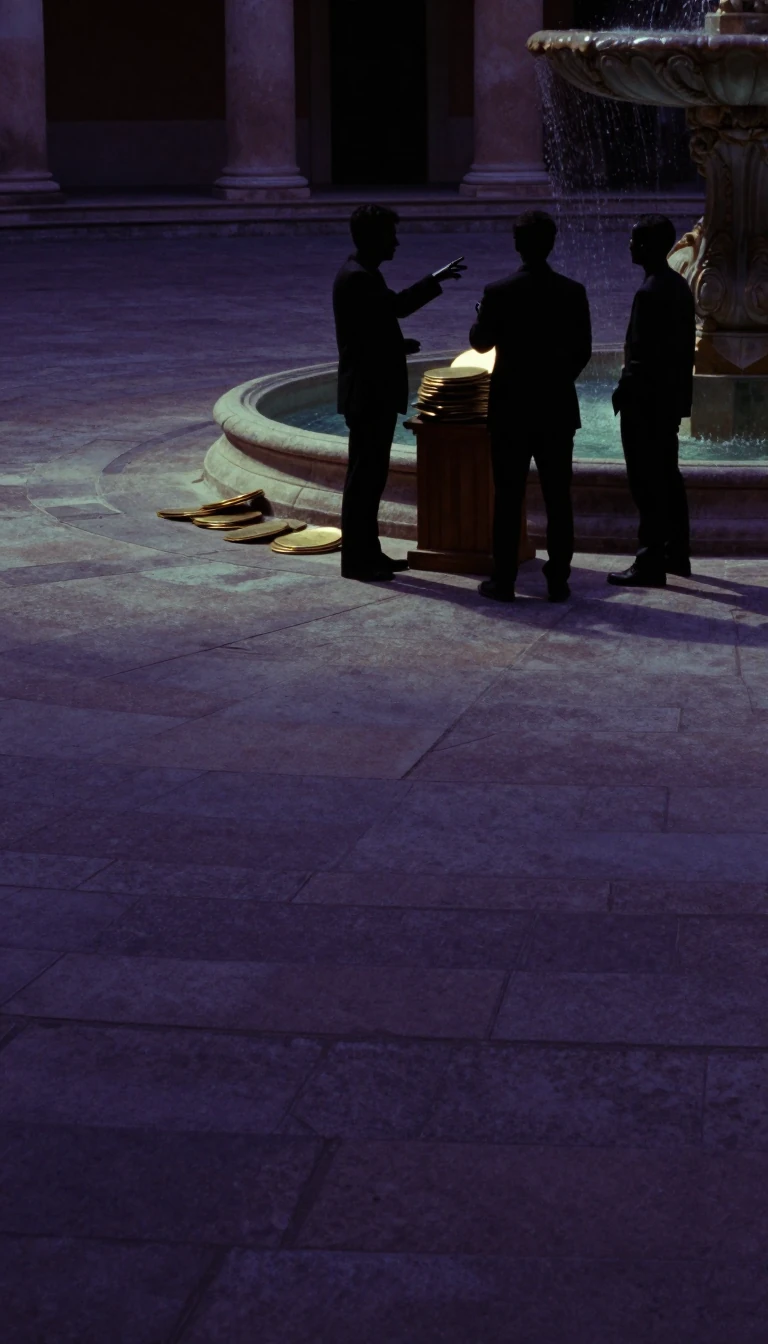 Economics began as philosophy, not a separate scienceLong before textbooks, Hesiod weighed scarce means against endless wants, Aristotle preferred private property with common use, and Aquinas demanded a just price. Economics only p…
 Projected movies arrived decades after motion toysBefore the Lumière brothers' paying Paris show on 28 December 1895, phantasmagoria, phenakistiscopes, Muybridge's famous horse studies, and Edison's peep-box Kinetoscope already t…
 Most diggers lost; merchants and nations gainedNineteenth-century gold rushes from California to Australia and the Witwatersrand pulled fortune-seekers across oceans. Mining itself rarely paid most diggers, yet new gold stock …
 Farming began in at least eleven separate cradlesAgriculture arose independently across the Old and New Worlds in at least eleven centers. About twelve thousand years ago, some humans left nomadic foraging for settled fields. Wi…
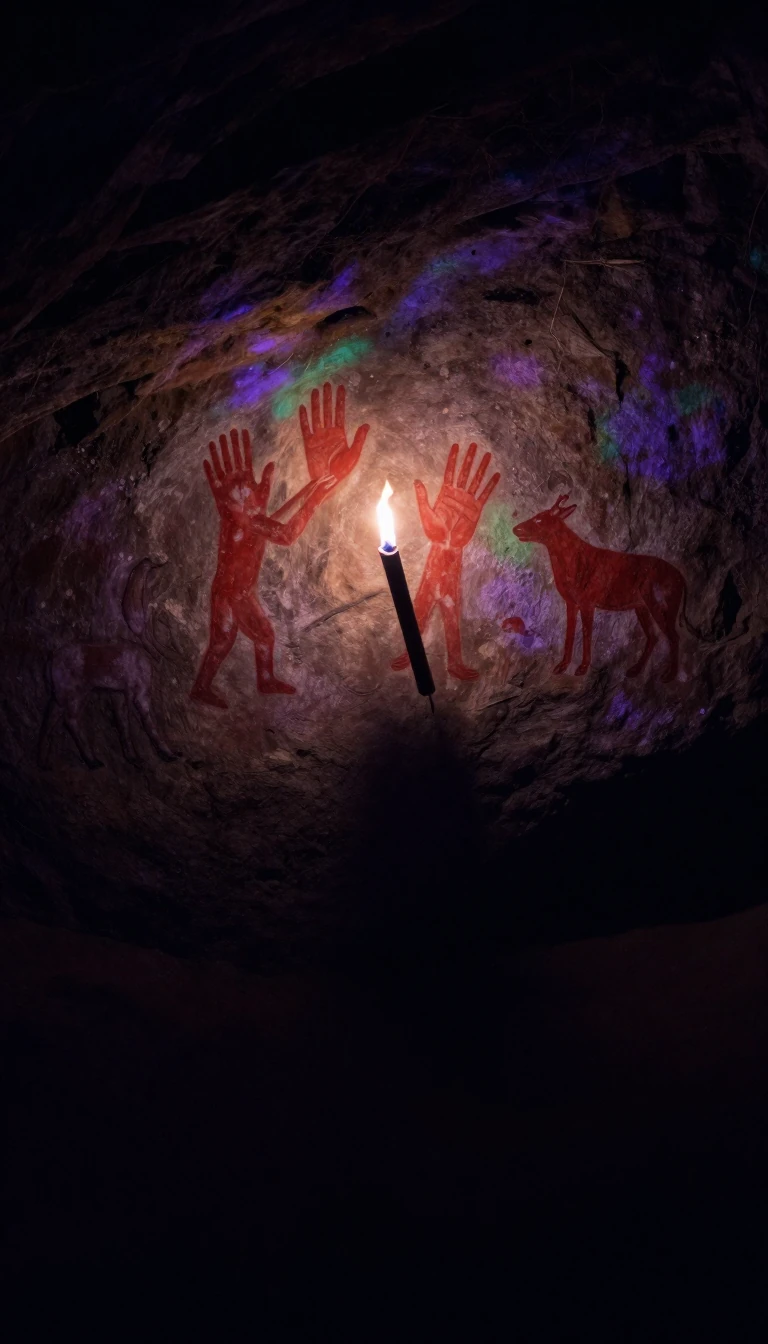 Ice Age figurines still count among humanity’s oldest artPaint containers from Middle Stone Age South Africa may reach one hundred thousand years back. Carved Swabian Jura figurines and flutes fall between about forty-three thousand and…
 A Scottish pit calendar may be eight thousand BCE oldAstronomy ranks among the oldest sciences, with Babylonian records near 1000 BCE and deeper prehistoric sky tools. Scotland’s Warren Field monument, dated around 8000 BCE, may be …
 The word atheist is early modern; the doubt is ancientEnglish borrowed atheist by 1566 and atheism by about 1587, but godless philosophies are far older. Greek átheos once meant impious before it marked denial of gods. In India, Char…
 Piloted flight began with balloons, not airplanesChinese kites may be the oldest human flight machines, centuries before the Common Era. Leonardo sketched flying devices that stayed unworkable. Real piloted ascent came in 1783 F…
 Biology became one field only in the nineteenth centuryPeople studied plants, animals, and bodies for millennia, yet biology as a unified science crystallized in the 1800s. Aristotle dissected dozens of species; Leeuwenhoek opened a m…
 Ashoka’s pillars carried Dharma to Greek kingsBuddhism begins in fifth-century BCE Magadha with Siddhārtha Gautama, the Shakyamuni. After awakening he taught for forty-five years and died at eighty with thousands of followers…
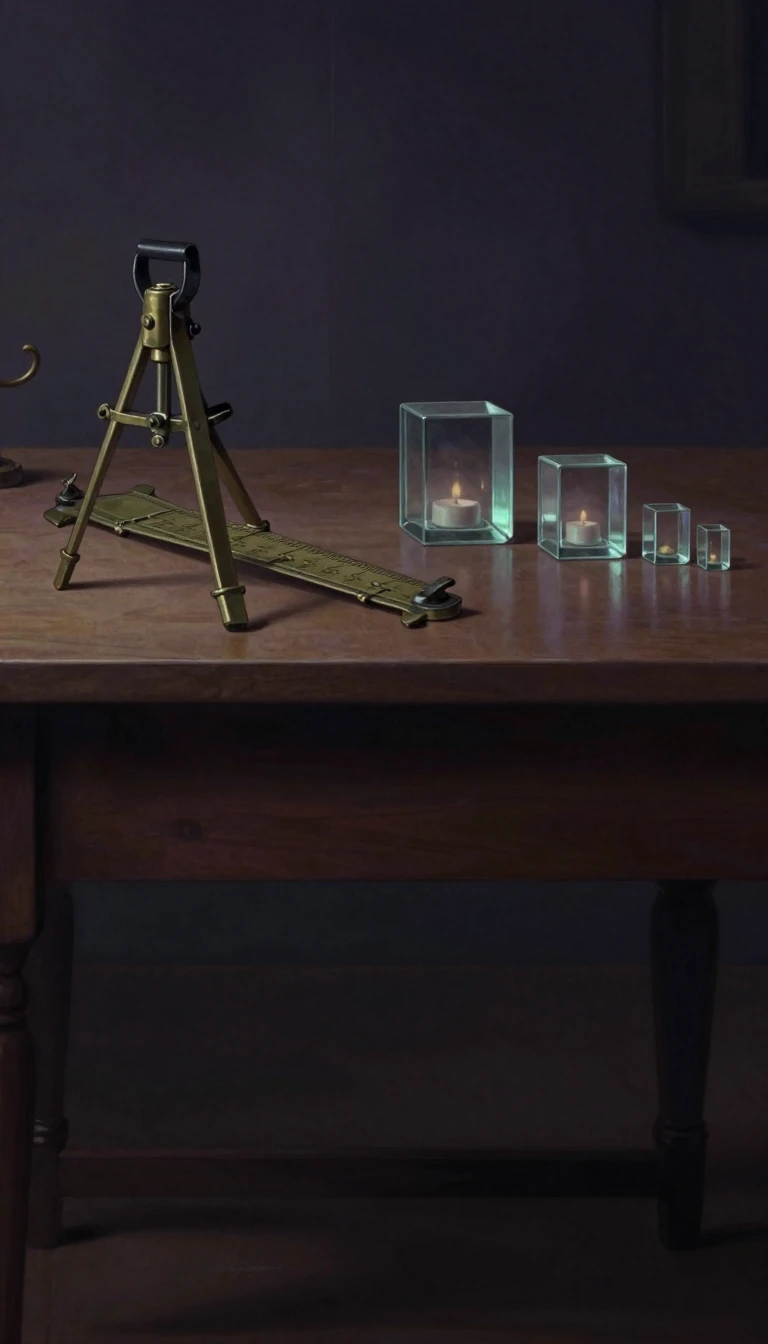 Chemistry grew from fire, ores, and failed alchemyBy 1000 BCE, societies already smelted metals, glazed pottery, fermented drinks, and rendered soap—practical chemistry without the name. Alchemy could not explain matter, yet its …
 From household meals to two billion adherentsChristianity began with Jesus, crucified in Jerusalem about 30–33 CE, and a few hundred early believers. By the year 100, roughly one hundred house churches averaged seventy membe…
- Speech came first; writing waited tens of millenniaHuman speech likely began around 100,000 BCE, yet symbols for lasting messages appear only about 30,000 years ago. Cave art at Chauvet, petroglyphs, pictograms, and finally Sumeri…
 Before chips, we counted on bones, abaci, and gearsThe Lebombo bone, notched some 35,000 years BCE, may be the oldest math artifact. From Babylonian abaci and the Antikythera mechanism to Pascal's calculator and Jacquard's punched…