 Intellect Plus
Mesopotamia
30 cards. Each one is a 40-second story with a five-minute read behind it.
 How ancient seals and sieges shaped the first human writingBefore humans wrote down stories, they rolled images onto clay to track their wealth. New research reveals a direct lineage between these early accounting tools and the first sign…
 The Siege of Uruk: Where Mythology Meets Mesopotamian HistoryWas the legendary hero Gilgamesh a myth or a man of flesh and blood? One specific Sumerian poem offers a rare glimpse into a gritty, non-mythological conflict between two kings, p…
 The rise and fall of Babylon, history's first legal powerhouseExplore the majestic trajectory of Babylon, from its legendary Hanging Gardens to the first written law codes. This video provides the historical context behind the city's rise, i…
 How a minor provincial town became the heart of an empireIn 1894 BC, Babylon was nothing more than a small administrative town ruled by Amorites. Within a few centuries, it would transform into a dominant capital, reviving the glory of …
 The cradle of civilization was forged in the soil of MesopotamiaBefore there were cities, currencies, or written laws, there was a revolution in how humans interacted with the land. In the Ancient Near East, the shift to intensive year-round a…
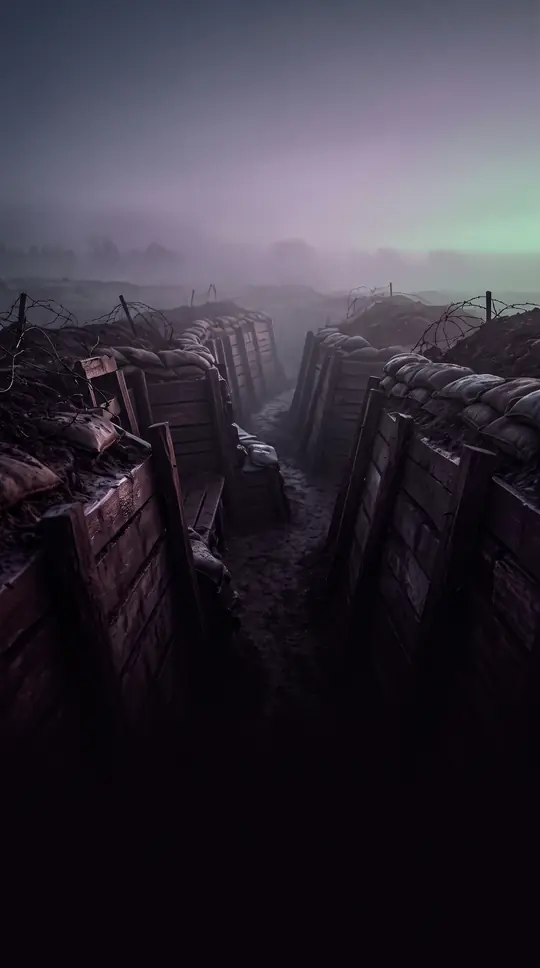 The vibrant colors and lost engineering of Mesopotamia's first citiesImagine walking through a city where every monument was a masterpiece of color and scale. Far from the grey ruins we see today, ancient Mesopotamian megastructures were brilliant …
 The cradle of civilization: tracing the rise of empires in MesopotamiaExplore how human society first organized into cities and legal systems. This video uses AI reconstructions to visualize the transition from Sumerian city-states to the expansive …
 Beyond the Myth: How a Small Mesopotamian City Became a Global IconBabylon is often dismissed as a land of legends, but it was a tangible powerhouse of political power and scientific advancement. From its early rise to the monumental spectacles o…
 The cradle of civilization was a cycle of rebirth, not a single stateMesopotamia wasn't just one empire; it was a laboratory of human governance. Between the Tigris and Euphrates rivers, humanity first engineered cities, laws, and writing systems. …
 The Land Between Rivers: Mapping the Cradle of CivilizationMesopotamia is often called the cradle of civilization, but its history is less a straight line and more a complex puzzle. From the Fertile Crescent to the ruins of Babylon, under…
 The cradle of civilization was built between two shifting riversMesopotamia wasn't just a location; it was the laboratory for human progress. By mastering the volatile Tigris and Euphrates rivers, early societies invented the fundamental build…
 The cradle of civilization was never a single unified empireWe often speak of Mesopotamia as one great ancient society, but it was actually a sprawling laboratory of diverse cultures. While they shared foundational tools like writing and i…
 How a 1920s excavation revealed the glittering, grisly glory of Sumerian royaltyIn the late 1920s, archaeologist C. Leonard Woolley uncovered a treasure trove in modern-day Iraq. The Royal Tombs of Ur offered more than just gold and lapis-lazuli; they reveale…
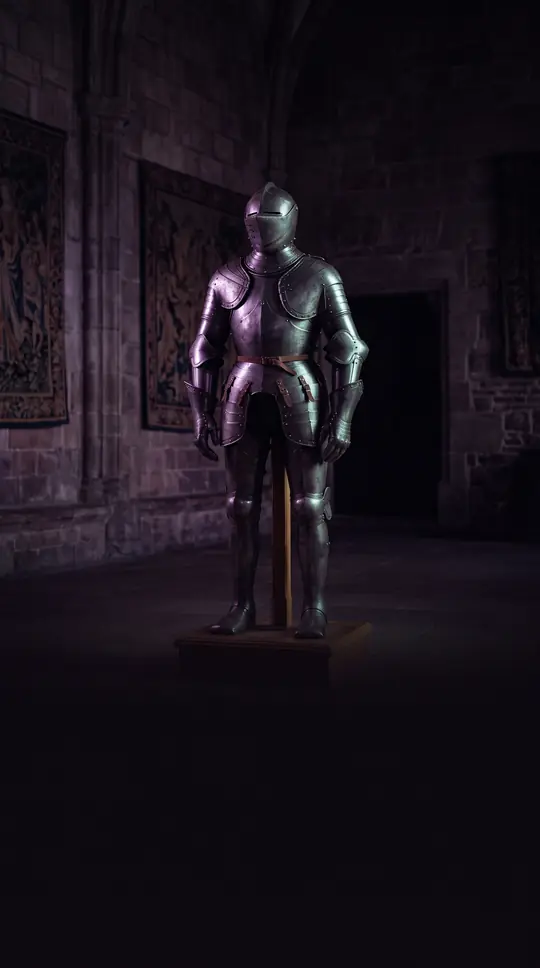 Why the British Indian Army faced a disastrous turning point in Mesopotamia during 1915While the Western Front dominated headlines, a separate, grim conflict unfolded in Mesopotamia. The British Indian Army, operating far from the primary theater of the Great War, f…
 The Brutal Reality of the British Death March Following the Siege of KutFollowing the Ottoman victory at the Siege of Kut, British and Indian prisoners faced a harrowing ordeal. Forced onto a death march toward distant prison camps, these soldiers end…
 Sumer was not a country but a collection of independent walled city-states.Discover how the Sumerians, flourishing in Mesopotamia for over two millennia, laid the foundational blueprints for human civilization, from the invention of writing to the first …
 Why the true origins of the legendary city of Babylon remain shrouded in mystery.Babylon is famous for its biblical reputation and architectural wonders, but its earliest history is obscured by rising water levels. This video examines the rise of the Babylonia…
 How a humble tavern-keeper became the only queen on the Sumerian King ListKubaba stands alone as the solitary woman recorded on the Sumerian King List. This historical figure, who transitioned from brewing beer to ruling as a monarch, offers a rare glim…
- Beer was a daily staple for Mesopotamians, enjoyed by both commoners and gods.Beer brewing predates the Romans by thousands of years. This video explores the origins of beer in ancient Mesopotamia, its evolution through Egyptian refinement, and its shifting…
 Why do ancient flood myths appear across so many different cultures and religions?Dr. Louise Pryke explores the enduring legacy of Mesopotamian narratives, including the Epic of Gilgamesh. This interview examines the cultural significance of figures like Marduk…
 How the Neo-Assyrian Empire transformed from a regional power into a vast superpower.The Assyrian Empire originated in northern Mesopotamia, eventually expanding across Asia Minor and Egypt. This video explores the rise of the Neo-Assyrian period, examining how th…
 A virtual journey through the cradle of MesopotamiaJoin Jean Evans for a guided tour of Iraq's diverse landscapes and ancient sites, inspired by her 2019 expedition to reopen excavations at Nippur.
 Why Modern Western Society Owes Its Cultural Foundations to Ancient MesopotamiaMesopotamia, the land between the Tigris and Euphrates, shaped the bedrock of Western civilization. From the sexagesimal system that still dictates how we measure time and angles …
 Did a Mesopotamian King Really Invent Social Justice Five Millennia Ago?Around 5000 years ago, Urukagina of Girsu claimed to reverse systemic abuses of power. This talk examines his famous reforms, questioning whether they truly protected the vulnerab…
 How Mesopotamian Naru Literature Rewrote History Through the Eyes of KingsEmerging in the second millennium BCE, Naru literature used fictionalized accounts of famous rulers to teach moral and religious lessons. These stories became so influential that …
- Who were the professional record keepers of the ancient Mesopotamian and Anatolian worlds?Professor Theo van den Hout explores the identity and role of scribes in ancient Mesopotamia and Anatolia. This video provides historical context for a museum exhibition dedicated…
 Ancient Mesopotamian love spells reveal surprisingly modern emotions about attraction and desireProfessor Andrew George explores the language of love through two Old Babylonian incantations. By comparing these ancient texts to modern popular music, this lecture highlights ho…
 How Ancient Mesopotamian Rulers Used Stone Monuments to Solidify Their Political PowerIrene Winter, Professor Emerita at Harvard, examines how freestanding stone stelae served as essential tools for royal propaganda in ancient Mesopotamia. This lecture explores how…
- How ancient Assyrian exorcists dealt with unwanted spectral visitors in their neighborhoodsIrving Finkel explores the historical methods used in ancient Mesopotamia to banish spirits. Learn how exorcists handled spectral interlopers like portly women or wise sages from …
 The world's most famous ancient law code may not have been law at all.Composed in Babylon around 1753 BC, the Code of Hammurabi sets out a long list of rulings, including 'an eye for an eye'. It is celebrated as a founding text of law. Yet among tho…