 Intellect Plus
Prehistory
71 cards. Each one is a 40-second story with a five-minute read behind it. Page 2 of 2.
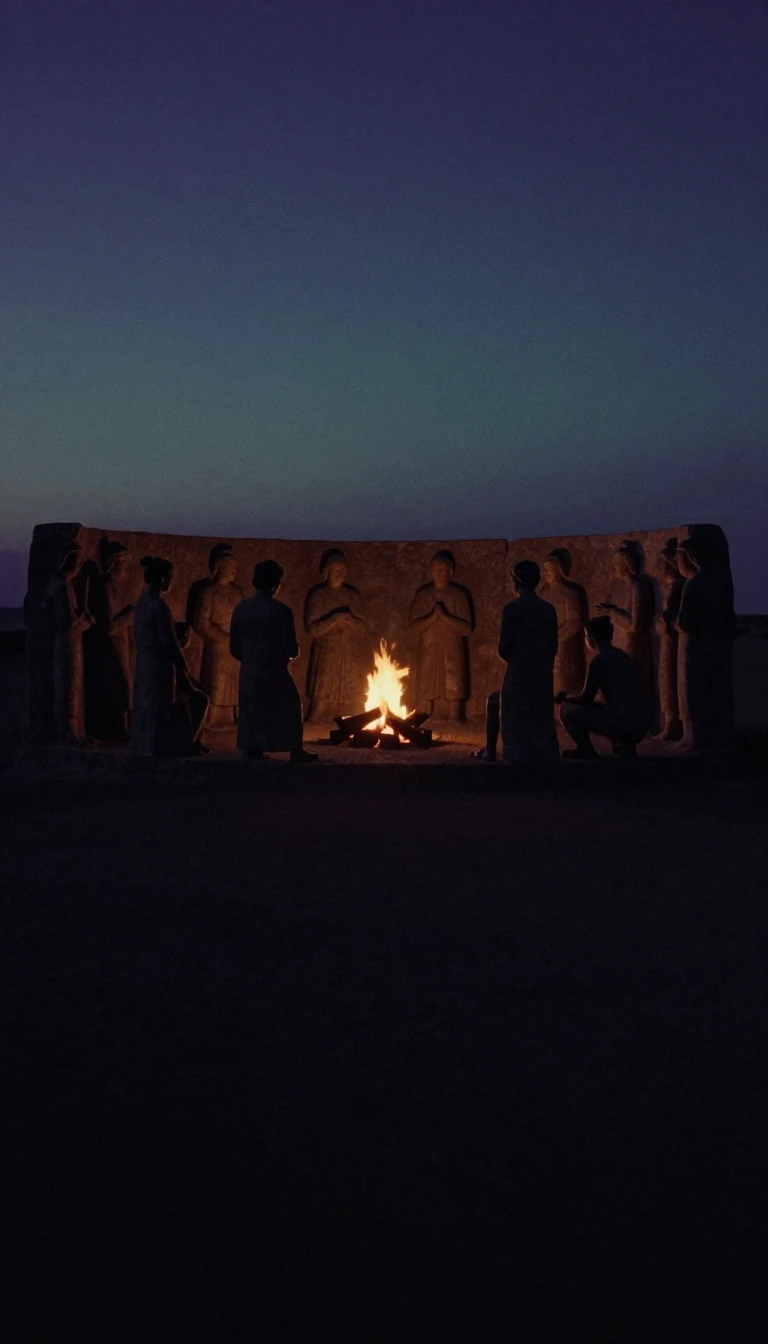 Carrying embers came long before striking sparksFire warmed nights, cooked food, and kept predators back—but the first human flames were likely stolen lightning. Claims of use stretch toward two million years ago; definitive fi…
 Leaving Africa took more than one departureHomo erectus walked out about 1.8 million years ago; Homo sapiens later left in pulses, with a major 70 to 50,000-year wave peopling Eurasia. We carry under ten percent archaic DN…
 Stone tools are older than the genus HomoThe Lower Paleolithic once began with Homo habilis and Oldowan choppers. Then Lomekwi 3 in Kenya yielded tools dated to 3.3 million years ago—before Homo, in late Pliocene time—fo…
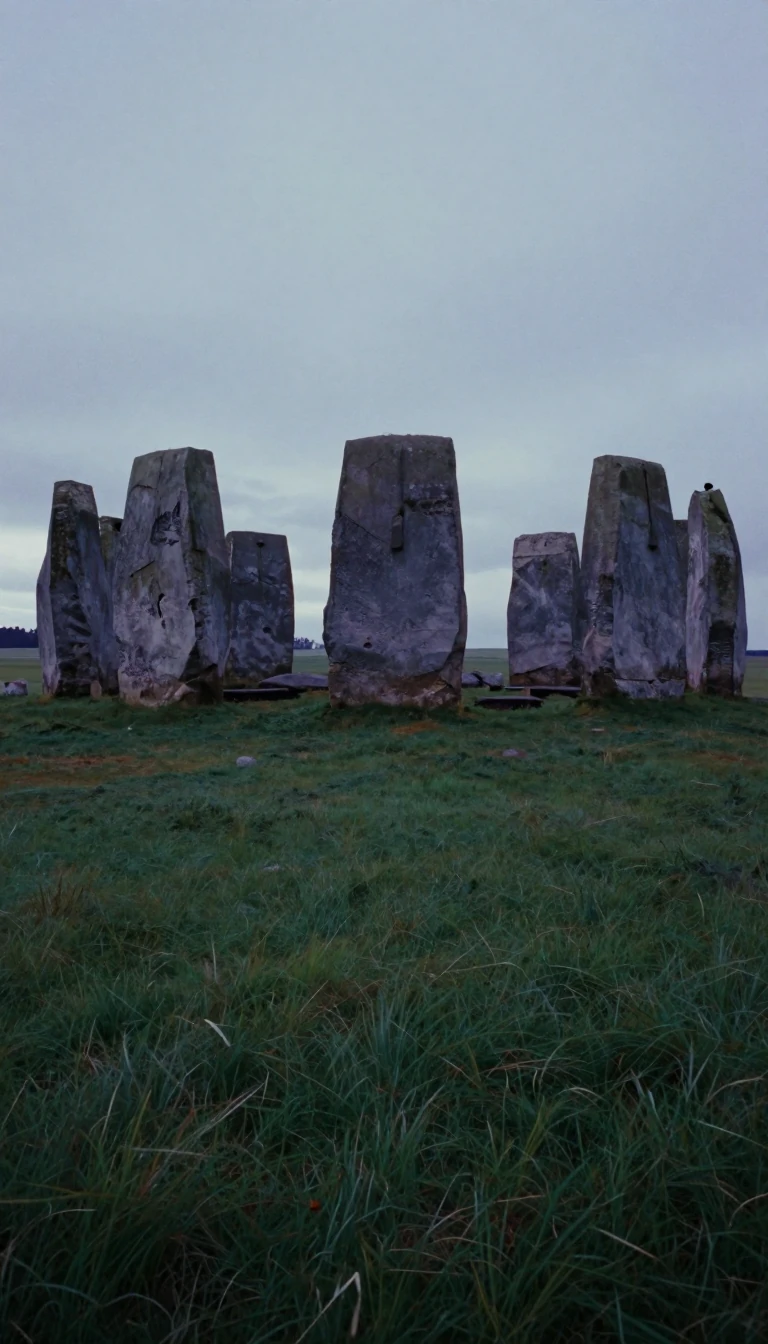 The Middle Stone Age was invented to fill a gapJohn Lubbock coined Paleolithic and Neolithic in 1865; Hodder Westropp added Mesolithic in 1866 and sparked a fight. Some preferred Epipaleolithic—a final Old Stone coda—until eno…
 Middle Paleolithic humans buried their dead and traded ochreFrom about 300,000 years ago, Middle Paleolithic and African Middle Stone Age societies show early behavioral modernity—burials, pigments, beads, and long-distance exchange—while …
 Farming was a revolution that sometimes made people sickerV. Gordon Childe coined Neolithic Revolution in 1936 for the shift from foraging to farming after the last Ice Age. Villages, hierarchies, and writing became possible—yet staple c…
 Almost all human technology time was the Old Stone AgeFrom the first stone tools about 3.3 million years ago to roughly 12,000 years ago, the Paleolithic covers nearly the whole of prehistoric technology. John Lubbock named it in 186…
 Prehistory is anonymous because writing had not begunFrom stone tools about 3.3 million years ago until scripts appear, human prehistory has no named kings—only archaeological cultures. The English word surfaced in 1836, and ninetee…
 A reconstructed language implies a people without a nationProto-Indo-European is a language rebuilt from Latin, Sanskrit, and kin—so someone must have spoken it. Philologist Martin West stressed they need not have been one race or state,…
- The Stone Age lasted 3.4 million years and 99 percent of usStone tools with edges, points, or striking faces define a span from roughly 3.4 million years ago until metalworking between 4000 and 2000 BC. In Western Asia bronze's spread by …
 After 50,000 years ago, stone tools suddenly look modernThe Upper Paleolithic, about 50,000 to 12,000 years ago, brings camps with storage pits, cave art, and blade industries. Richard Klein notes that before then archaic kits look alm…