 Intellect Plus
International organizations
40 cards. Each one is a 40-second story with a five-minute read behind it.
 The name of a war was changed to avoid religious offenseThe U.S. government originally planned to call its 2001 intervention in Afghanistan "Operation Infinite Justice." However, the name was scrapped because the phrase was used by var…
 From a hedge-lined field to the pinnacle of Swedish footballBK Häcken began as a project for teenagers who wanted to do more than just play for fun. They wanted to build an organization. Today, they are a powerhouse of Swedish football, ha…
 Did Kosovo’s 2008 declaration of independence actually violate international law?On February 17, 2008, Kosovo formally declared independence, triggering a fierce geopolitical standoff. While the move was celebrated by many, Serbia and its allies labeled the ac…
 How the United Nations chooses its next leader in a high-stakes global processAs António Guterres prepares to step down in December 2026, the United Nations is navigating a complex selection process to find his successor. From closed-door straw polls to pub…
 Can a Beijing-led bank reshape global finance while challenging the established Western order?The Asian Infrastructure Investment Bank emerged as a multi-billion dollar alternative to the World Bank and IMF. Born from Chinese frustration with slow reforms in existing insti…
- The General Who Oversaw the Final U.S. Withdrawal from AfghanistanAustin S. Miller spent decades in elite special operations, from the streets of Mogadishu to the top of the military hierarchy. His career culminated in leading the final NATO and…
 Why the Red Cross and Red Crescent are not just symbols but life-saving shieldsIn the chaos of an active warzone, a simple emblem can be the difference between life and death. While often mistaken for a generic medical logo, these symbols are strictly define…
- From biplanes to orbital defense: how France evolved its aerial military branchBorn in 1909 as a humble army service, the French Air and Space Force has transformed from a reconnaissance arm into a modern guardian of both skies and orbit. Today, this indepen…
 How a Stockholm rowing club became a powerhouse of Swedish football cultureFounded in 1889 as a rowing association, Hammarby IF evolved into one of Sweden's most iconic football clubs. Known for its passionate fanbase and a unique identity rooted in the …
 How Japan’s wartime government attempted to fuse its entire population into one single bodyIn 1940, Prime Minister Fumimaro Konoe launched the Imperial Rule Assistance Association, a state-sponsored organization designed to dissolve all political parties and unify Japan…
- For four millennia, the Indian Ocean served as a vast, complex highway for human trafficking.Long before European involvement in the Atlantic, a sophisticated network of trade routes spanned the Indian Ocean, moving millions of people across continents. From ancient Babyl…
 From Einstein’s plea to global aid giant: the complex history of the IRCFounded in 1933 at the request of Albert Einstein, the International Rescue Committee has evolved from a small group aiding refugees fleeing Nazi Germany into a massive humanitari…
 From avant-garde kitchens to global frontlines, how one chef redefined humanitarian aid.José Andrés transformed from a protégé of culinary legend Ferran Adrià into a global force for emergency relief. By founding World Central Kitchen, he shifted the paradigm of disa…
 The desperate final hours of a failed military coup to stop Japan's surrenderOn the night of August 14, 1945, rogue Japanese officers occupied the Imperial Palace in a last-ditch attempt to prevent the nation's surrender. They murdered a general, forged or…
- A philosopher-president, a military coup, and the fight for Niger's democratic futureMohamed Bazoum rose from a minority background to lead Niger, only to be ousted by his own presidential guard. His presidency, marked by promises of reform and security, ended in …
 How a former military general became the architect of Mauritania's first peaceful power transition.Mohamed Ould Ghazouani rose from a career in the armed forces to become the ninth president of Mauritania. His 2019 election marked a historic milestone for the nation, representi…
 Why the United Nations officially operates in six languages despite global linguistic diversityThe United Nations functions through six official languages, a system rooted in the post-World War II power structure. While these languages represent a fraction of the global pop…
 A short-lived monarchy, Albania’s Principality was a volatile experiment in Balkan statehood.Established in 1914 under Prince Wilhelm of Wied, the Principality of Albania was intended to stabilize a newly independent nation. Instead, it was engulfed by World War I, peasan…
 The world's largest trade bloc is shifting the economic center of gravity toward Asia.The Regional Comprehensive Economic Partnership unites 15 Asia-Pacific nations, representing 30% of the global population and GDP. By standardizing trade rules and slashing tariff…
 How a philosopher became the primary architect of Japan's wartime ultranationalist propaganda machineShūmei Ōkawa was not a military officer, yet he became the ideological engine behind Japan's 1930s expansionism. A polyglot scholar who transitioned from philosophy to radical act…
 The UN's nuclear watchdog began as a failed plan for a nuclear bankIn 1954 the United States proposed an international agency that would take custody of the world's fissile material, a kind of nuclear bank. Moscow refused unless disarmament came …
 CERN, the particle physics lab, grew out of a UNESCO meetingUNESCO is best known for World Heritage Sites, but its reach is stranger than that. A UNESCO gathering in Paris in December 1951 set in motion the European Council for Nuclear Res…
 NATO's mutual-defence clause has been triggered exactly once, and not by EuropeThe alliance was built to deter a Soviet attack on Western Europe, yet the only time its members formally declared an attack on one to be an attack on all came in 2001, when the U…
 UNICEF was meant to be a temporary post-war fund; it never closedSet up in December 1946 to feed and clothe children uprooted by the Second World War, the emergency fund became a permanent United Nations body in 1953, kept its famous acronym af…
 The name 'United Nations' first meant the wartime Allies, coined by RooseveltBefore it was a building in New York, the United Nations was a military coalition. Franklin Roosevelt used the phrase for the countries fighting the Axis, Churchill liked it becau…
- It took seven international conferences and 41 years to agree on fighting choleraLong before the World Health Organization existed, European states met repeatedly to coordinate against cholera. Because nobody agreed on how diseases spread, the first binding de…
 Simón Bolívar dreamed of a union of American republics in 1826At the Congress of Panama in 1826, Bolívar proposed a league of newly free American republics with a shared army and a supranational parliament. Only Gran Colombia ratified the tr…
- Scouting began as a week-long experiment with 21 boys on an English islandIn August 1907 a retired general took 21 boys of mixed social backgrounds to Brownsea Island in Dorset to test some ideas. Within two years 11,000 uniformed Scouts packed a rally …
- The Commonwealth's head is Charles III, yet the job is not hereditaryFifty-six countries, most of them former British territories, belong to a club that imposes no legal duties on its members at all. They swap high commissioners instead of ambassad…
- Europe's blue flag with gold stars was designed for a different organisationThe circle of gold stars that flies over Brussels was created in 1955 for the Council of Europe, a separate body based in Strasbourg. The European Union later borrowed both the fl…
 The G20 was born from a string of financial panics in the late 1990sA Mexican peso crash, the Asian financial crisis, Russia's 1998 meltdown and the collapse of a giant American hedge fund convinced two finance ministers that the rich-country G7 c…
 The World Court's rulings are final and binding, but it cannot enforce themFifteen judges in The Hague decide disputes between nations, and their judgments cannot be appealed. Yet the International Court of Justice has no police, no bailiffs and no army.…
- Interpol arrests nobody, and its name began as a telegraph addressFilms show Interpol agents kicking down doors, but the organisation is not a police force at all. It is a clearing house linking police in 196 countries through databases and comm…
 Woodrow Wilson won a Nobel for the League his own country refused to joinThe American president was hailed as the chief architect of the League of Nations and received the 1919 Peace Prize for it. Yet the United States never became a member. That absen…
 The premature obituary that supposedly created the Nobel Prizes may be a mythThe legend says Alfred Nobel read his own obituary in 1888, headlined The Merchant of Death Is Dead, after a French paper confused him with his brother Ludvig, and rewrote his wil…
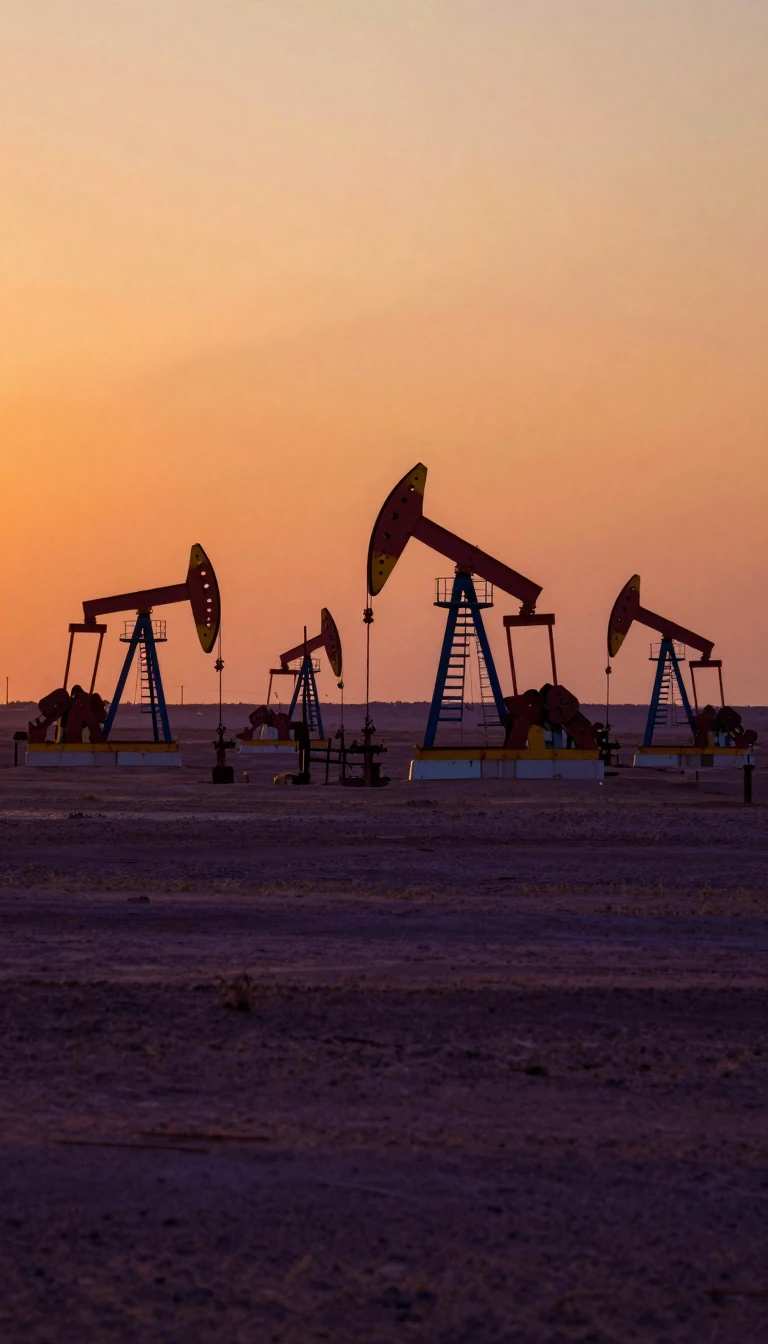 OPEC members broke 96 percent of their production promises, one study foundOPEC is the textbook cartel: agree to pump less, and everyone earns more. The catch is that each member profits most by quietly pumping extra. A political scientist who tracked co…
- A Cold War talking shop in Helsinki became Europe's election watchdogMoscow wanted the talks to lock in its grip on Eastern Europe. Finland wanted to show off its neutrality. The West hoped for calmer relations and better lives behind the Iron Curt…
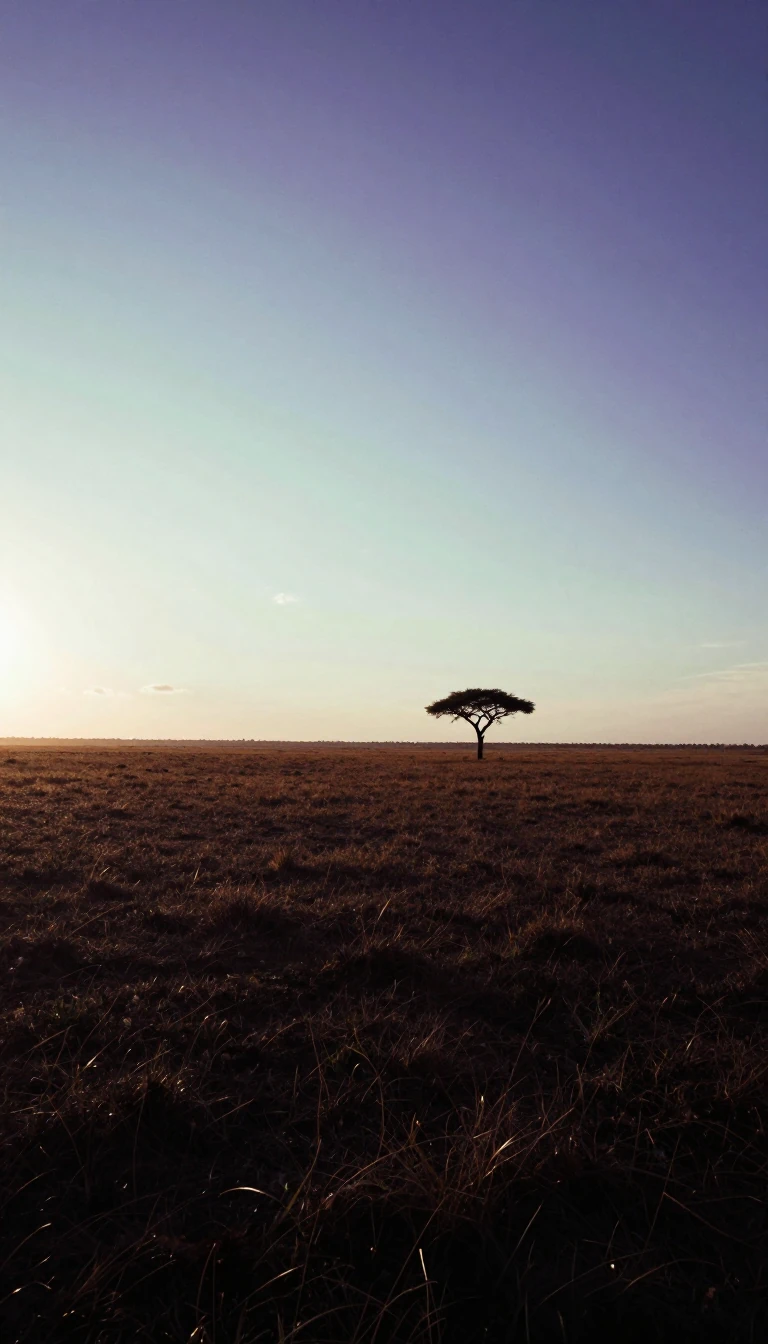 The African Union governs a bloc bigger than any nation on EarthFifty-five member states, more than 1.5 billion people and about 30 million square kilometres, from the Sahara to the Nile. The African Union, launched in Durban in 2002, replaced…
- Was the Arab League built to fail on purpose?Two political scientists looked at the Arab League's record and concluded its weakness was a feature, not a bug. Leaders praised Arab unity to shore up their legitimacy at home, t…
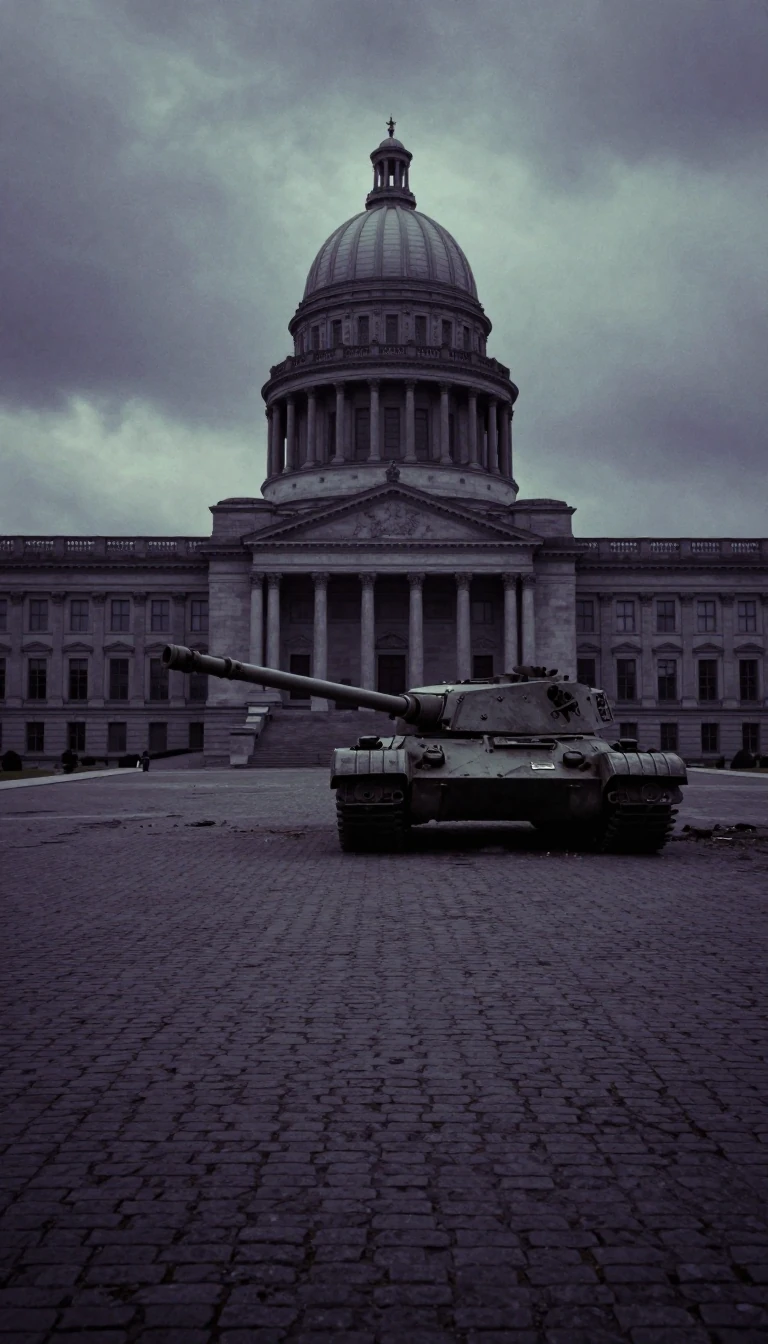 Three leaders in a Belarusian forest signed the Soviet Union out of existenceOn 8 December 1991 the heads of Russia, Ukraine and Belarus met in a nature reserve near Brest and declared that the USSR had effectively ceased to be. In its place they proclaime…