E. M. Forster’s 1908 novel explores the tension between Edwardian restraint and personal freedom.
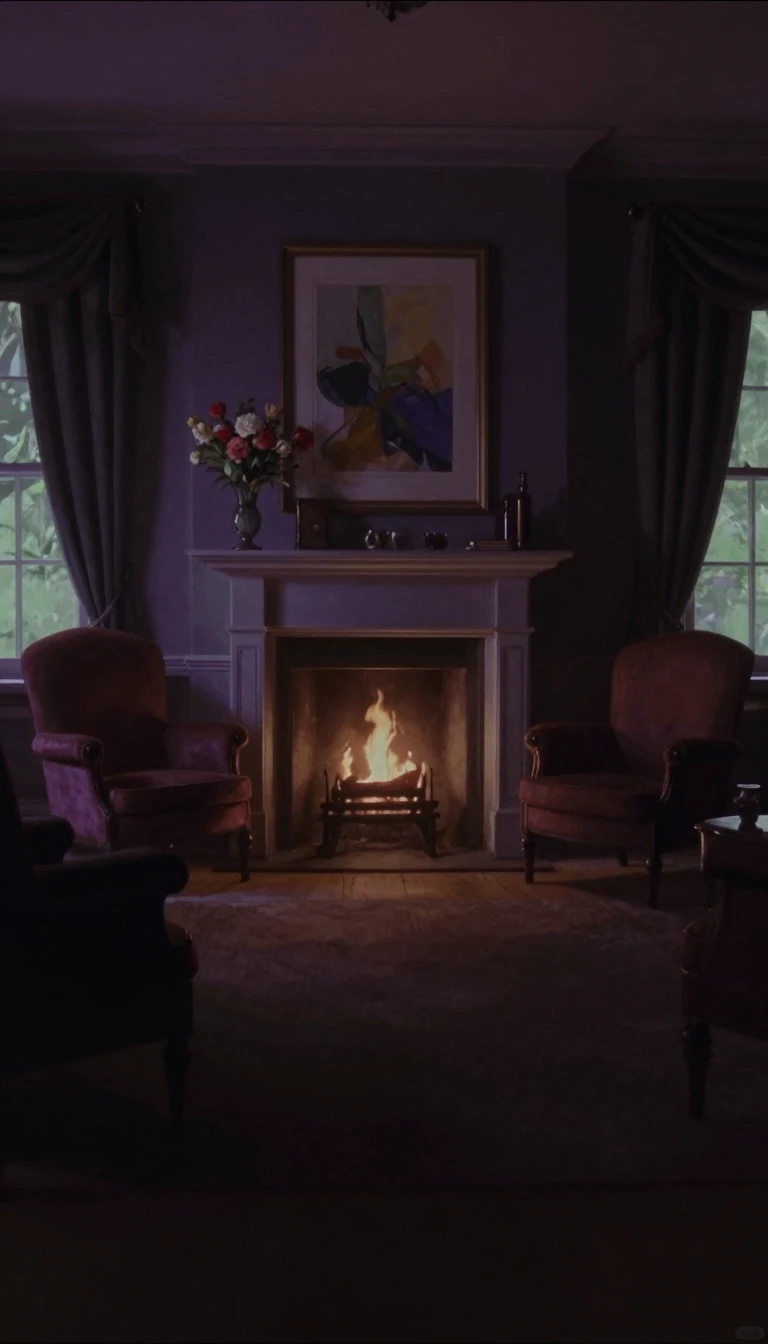
In short: In A Room with a View, a young woman’s Italian holiday becomes a catalyst for self-discovery. Caught between the rigid expectations of her social class and the unconventional honesty of the Emerson family, Lucy Honeychurch must decide whether to conform to societal norms or pursue a life of authentic, independent love.
Published in 1908, E. M. Forster’s novel follows Lucy Honeychurch, a young woman touring Italy with her chaperone, Charlotte Bartlett. Their arrival at the Pensione Bertolini in Florence sets the stage for a clash of values. When Mr. Emerson offers to swap rooms so the women can enjoy a view of the River Arno, Charlotte is scandalized by his lack of social decorum. This initial encounter introduces the central conflict: the suffocating, restrained culture of Edwardian England versus the open, honest nature of the Emersons.
The narrative follows Lucy’s internal struggle as she navigates an engagement to the pretentious, snobbish Cecil Vyse, a man who views her as an object rather than an equal. Forster uses the backdrop of Italy and later, the English countryside, to contrast these stifling social structures with the vitality of genuine human connection. George Emerson, the son of the unconventional Mr. Emerson, challenges Lucy to recognize her own desires, eventually leading her to break her engagement and choose a life defined by mutual respect and love rather than class-based expectations.
Forster’s work remains a significant critique of early 20th-century society, later adapted into an acclaimed 1985 film directed by James Ivory. In 1958, Forster added an appendix, A View without a Room, which offers a melancholic look at the couple’s later years. It details their struggles through the First and Second World Wars, reflecting the author’s own uncertainty about the future of his characters. Despite the passage of time and the shifting political landscape, the novel endures as a poignant exploration of the courage required to live truthfully in a world that demands conformity.
The novel’s influence extends beyond literature into various media, including stage, radio, and operatic adaptations. Its themes of social critique and romantic independence continue to resonate, as evidenced by modern reinterpretations like Kevin Kwan’s 2020 novel, Sex and Vanity. By examining the interplay between personal integrity and societal pressure, Forster crafted a timeless narrative that continues to invite readers to look beyond the surface of their own lives.
Opens the Intellect+ feed with this card first. Swipe up for the next one.
Sources
- Summary by Intellect · source: A Room with a View
To cite this card, link to https://intellectplus.co.uk/app/art-a-room-with-a-view.
How we source, check and correct cards: Editorial standards.
General information, not professional advice. Spotted an error? Flag the card or see corrections and complaints.
Intellect Plus is a visual educational discovery platform for exploring fascinating facts and ideas. Brain Food, Not Brain Rot. What is Intellect Plus?
Related
More in Literature · More in Art · Latest · A–Z · All topics
