How a forgotten 1957 drama became the most influential comedy in Hollywood history
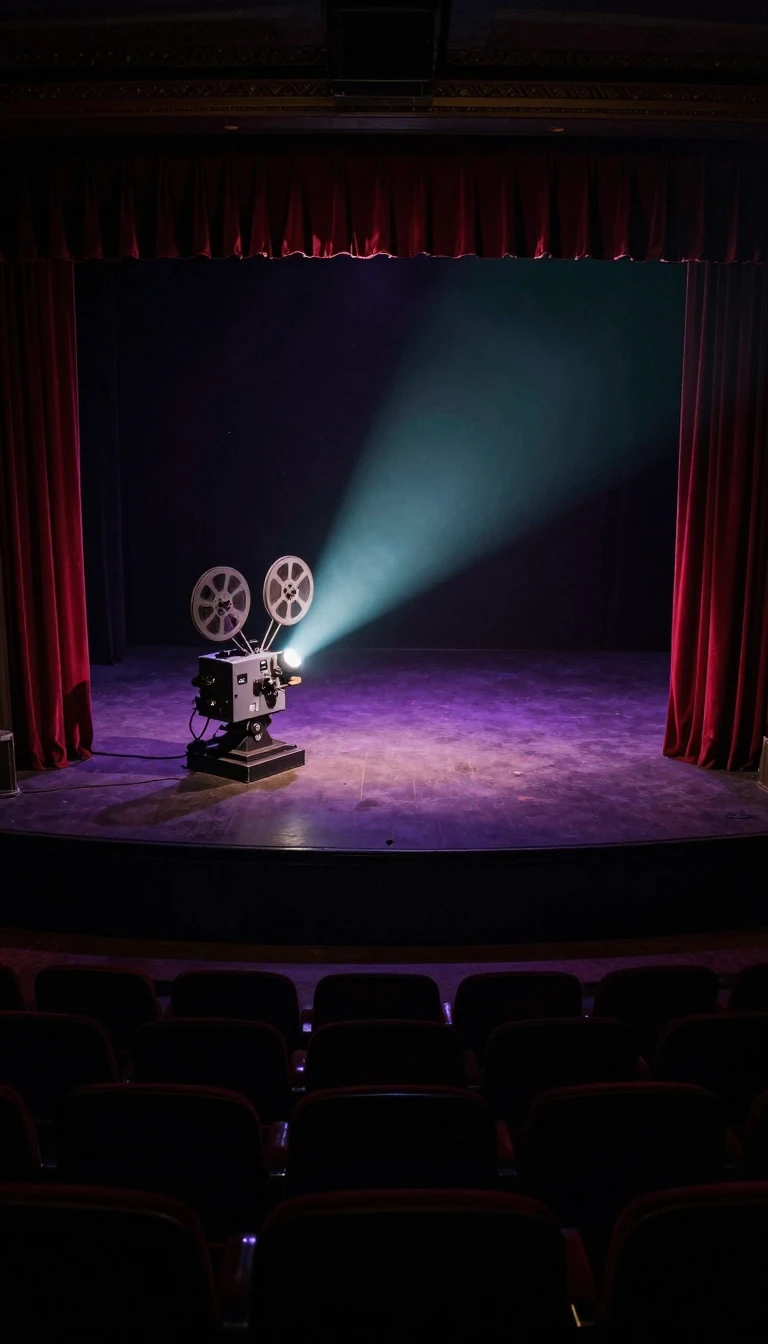
In short: The creators of Airplane! were not looking for laughs when they stumbled upon a serious disaster film called Zero Hour!. By treating its rigid structure as a canvas for relentless, deadpan absurdity, they launched a genre-defining style that forever changed how audiences perceive serious actors and cinematic parody.
In the mid-1970s, the writing trio of David Zucker, Jim Abrahams, and Jerry Zucker—collectively known as ZAZ—were mining television broadcasts for material. While recording late-night programs, they accidentally captured the 1957 film Zero Hour!. They were struck by its earnest, classical structure, eventually securing the rights for about $2,500 to create a parody. Their debut feature, released in 1980, followed the original plot so closely that they even lifted specific lines of dialogue, yet they transformed the tone into a rapid-fire barrage of visual puns and slapstick.
The film’s success relied on a counterintuitive casting strategy. Rather than hiring comedians, ZAZ recruited dramatic heavyweights like Leslie Nielsen, Robert Stack, and Lloyd Bridges. These actors were known for playing stoic, adventurous types, and the directors instructed them to perform their roles with absolute sincerity. Nielsen, in particular, transitioned from a career of serious leading roles to a new identity as a deadpan master, famously using a fart-noise device on set to keep his co-stars off-balance while maintaining his own somber persona.
The production was a massive commercial hit, earning $171 million worldwide against a modest $3.5 million budget. Its legacy is immense, influencing generations of filmmakers and earning a spot in the United States National Film Registry in 2010. Beyond the box office, the film’s influence is seen in the careers of directors like the Farrelly brothers and in countless cultural homages. By subverting the tropes of the disaster genre, ZAZ created a blueprint for comedy that remains a standard-bearer for the craft.
The film’s production was not without friction. The Directors Guild of America initially resisted the trio’s request for a joint directing credit, and Universal Pictures even filed a plagiarism complaint regarding the similarity to the Airport series. Despite these hurdles, the film’s unique blend of high-stakes tension and juvenile humor proved to be a winning formula, cementing its status as a landmark of American cinema.
Opens the Intellect+ feed with this card first. Swipe up for the next one.
Sources
- Summary by Intellect · source: Airplane!
To cite this card, link to https://intellectplus.co.uk/app/art-airplane.
How we source, check and correct cards: Editorial standards.
General information, not professional advice. Spotted an error? Flag the card or see corrections and complaints.
Intellect Plus is a visual educational discovery platform for exploring fascinating facts and ideas. Brain Food, Not Brain Rot. What is Intellect Plus?
Related
More in Film and television · More in Art · Latest · A–Z · All topics
