How one artist defined a nation’s soul through the lens of ancient folklore
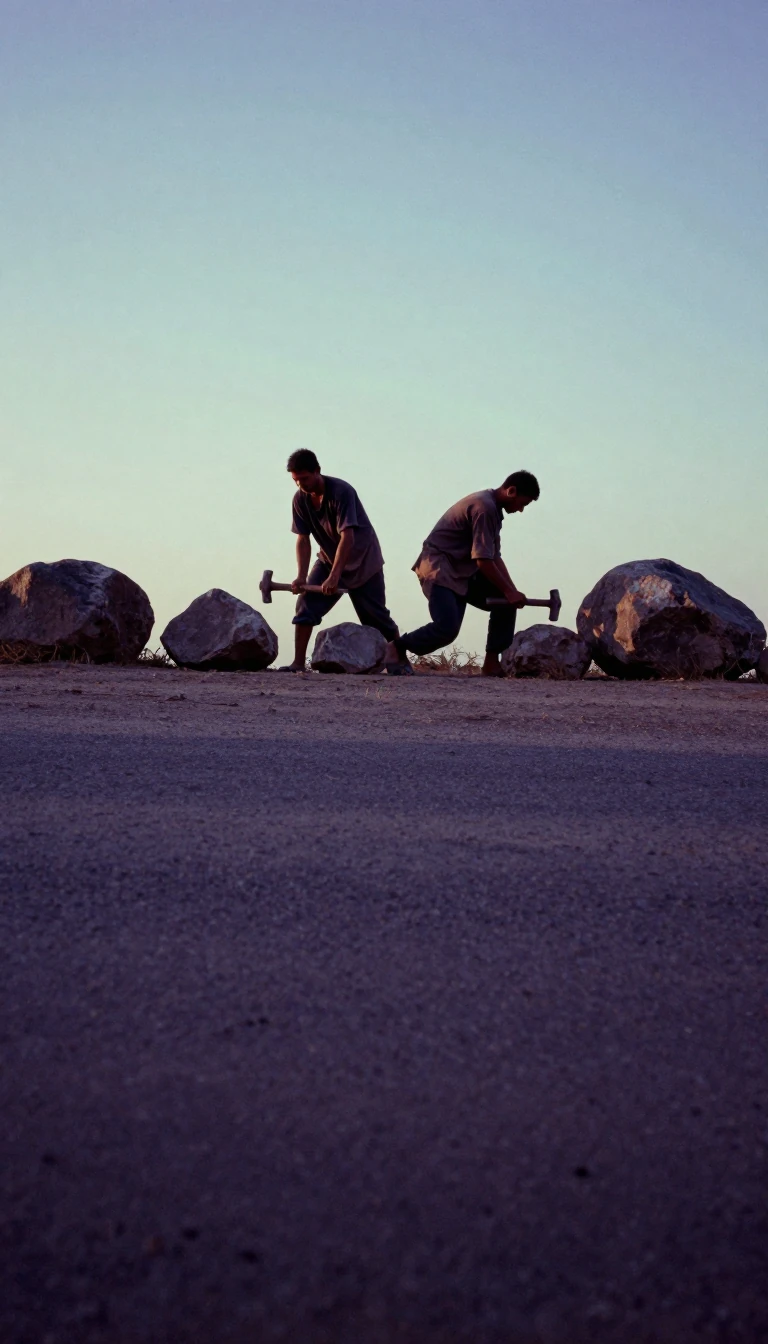
In short: Akseli Gallen-Kallela transformed Finnish identity by weaving national myths into a distinct visual language. From a wilderness studio in the Finnish woods to the vibrant landscapes of Kenya, his career spanned realism, symbolism, and political activism, ultimately crafting the iconic imagery that still defines Finland’s cultural heritage today.
Born in 1865, Gallen-Kallela began his career as a realist painter before shifting toward the symbolic and national-romantic styles that would become his hallmark. His work became inextricably linked to the Kalevala, the Finnish national epic. By illustrating these ancient stories, he provided a visual anchor for a burgeoning national identity during a period of resistance against Russian dominance. His influence was so profound that he was commissioned to design official state symbols, including flags and uniforms, following Finland’s independence.
The artist’s life was marked by both creative triumph and personal tragedy. The 1895 death of his daughter, Impi Marjatta, served as a painful catalyst, shifting his artistic output from romanticism toward more aggressive, emotionally charged themes. This period produced his most celebrated works, such as The Defense of the Sampo and Lemminkäinen's Mother. His versatility was immense; he was not only a painter but also a graphic artist, designer, and fresco master who executed monumental works for the 1900 Paris World Fair.
Gallen-Kallela was a restless traveler, seeking inspiration far beyond his homeland. In 1909, he ventured to Nairobi, becoming the first artist from Finland to paint in sub-Saharan Africa, where he produced over 150 expressionistic works. Later, he spent time in the United States, studying Native American art in Taos, New Mexico. Despite his international acclaim, his reputation faced scrutiny in the 1920s from modernist critics who rejected his nationalist focus. Today, however, he is celebrated for his technical range and his pivotal role in shaping the aesthetic of a sovereign Finland.
His legacy persists through the Gallen-Kallela Museum, housed in his former studio at Tarvaspää. Whether through the hidden political messages embedded in his frescoes—such as a Romanov crown on a viper—or his dedication to the Great Kalevala project, his work remains a testament to the power of art to forge a collective consciousness. He died suddenly in 1931, leaving behind a body of work that continues to define the Finnish spirit.
Opens the Intellect+ feed with this card first. Swipe up for the next one.
Sources
- Summary by Intellect · source: Akseli Gallen-Kallela
To cite this card, link to https://intellectplus.co.uk/app/art-akseli-gallen-kallela.
How we source, check and correct cards: Editorial standards.
General information, not professional advice. Spotted an error? Flag the card or see corrections and complaints.
Intellect Plus is a visual educational discovery platform for exploring fascinating facts and ideas. Brain Food, Not Brain Rot. What is Intellect Plus?
Related
More in Visual artists · More in Art · Latest · A–Z · All topics
