The painter who immortalized Napoleon but died haunted by his own artistic failures
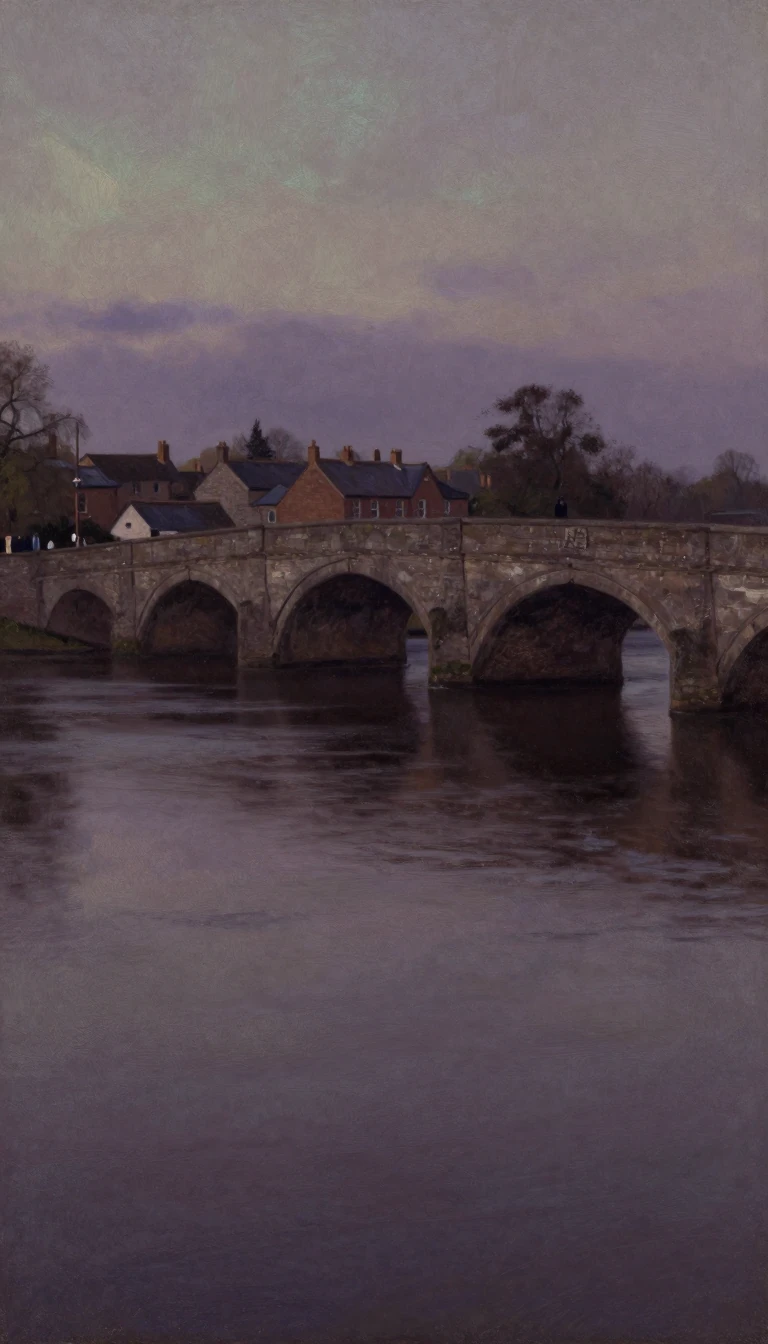
In short: Antoine-Jean Gros defined the visual legacy of Napoleon, capturing the drama of his military campaigns with unmatched intensity. Yet, this master of Romantic vitality spent his final years trapped in a cycle of self-doubt, ultimately taking his own life after struggling to reconcile his legacy with the rigid expectations of Neoclassicism.
Born in Paris in 1771, Gros began his artistic training under his father before joining the studio of Jacques-Louis David in 1785. While he deeply respected David, the young artist found the strict, linear style of Neoclassicism stifling. Instead, he drew inspiration from the vibrant brushwork of Peter Paul Rubens and Venetian masters. His career took a definitive turn in 1793 when he moved to Italy, where he encountered Napoleon Bonaparte. This connection led to his appointment as an inspector of military reviews, allowing him to witness the French army firsthand and document its most significant moments.
Gros became the primary architect of the Napoleonic myth. His works, such as the 1804 painting of Napoleon visiting plague victims in Jaffa and his 1808 depiction of the battlefield at Eylau, combined elegance with raw, dramatic power. These canvases were not merely artistic achievements; they served political functions, such as countering British propaganda regarding Napoleon’s conduct in Egypt. His ability to render the frenzy of combat and the exoticism of the Near East deeply influenced the next generation of Romantic painters, including Eugène Delacroix and Théodore Géricault.
Following the collapse of the French Empire and the return of the Bourbon monarchy, Gros was named a baron. With David forced into exile, Gros assumed leadership of his teacher’s studio. This transition proved difficult. He attempted to adopt a more academic, Neoclassical approach, but these later works lacked the fire of his earlier masterpieces. Plagued by persistent criticism from his former mentor and a growing sense of personal inadequacy, his melancholic nature deepened. After the negative reception of his 1835 painting Hercules and Diomedes, he died by suicide in Paris that June.
Despite his internal struggles, those who knew him intimately described a man of profound sensitivity. Élisabeth Vigée Le Brun, a lifelong friend, noted that he was often socially reserved but possessed a noble heart and a unique, poetic way of speaking. While he is remembered today for his monumental contributions to French art, his life remains a poignant study of the tension between creative passion and the crushing weight of artistic expectation.
Opens the Intellect+ feed with this card first. Swipe up for the next one.
Sources
- Summary by Intellect · source: Antoine-Jean Gros | Biography, Paintings, & Facts | Britannica
- Also: Antoine-Jean Gros
To cite this card, link to https://intellectplus.co.uk/app/art-antoine-jean-gros.
How we source, check and correct cards: Editorial standards.
General information, not professional advice. Spotted an error? Flag the card or see corrections and complaints.
Intellect Plus is a visual educational discovery platform for exploring fascinating facts and ideas. Brain Food, Not Brain Rot. What is Intellect Plus?
Related
More in Visual artists · More in Art · Latest · A–Z · All topics
