How Bernini turned cold, hard marble into a living, breathing metamorphosis
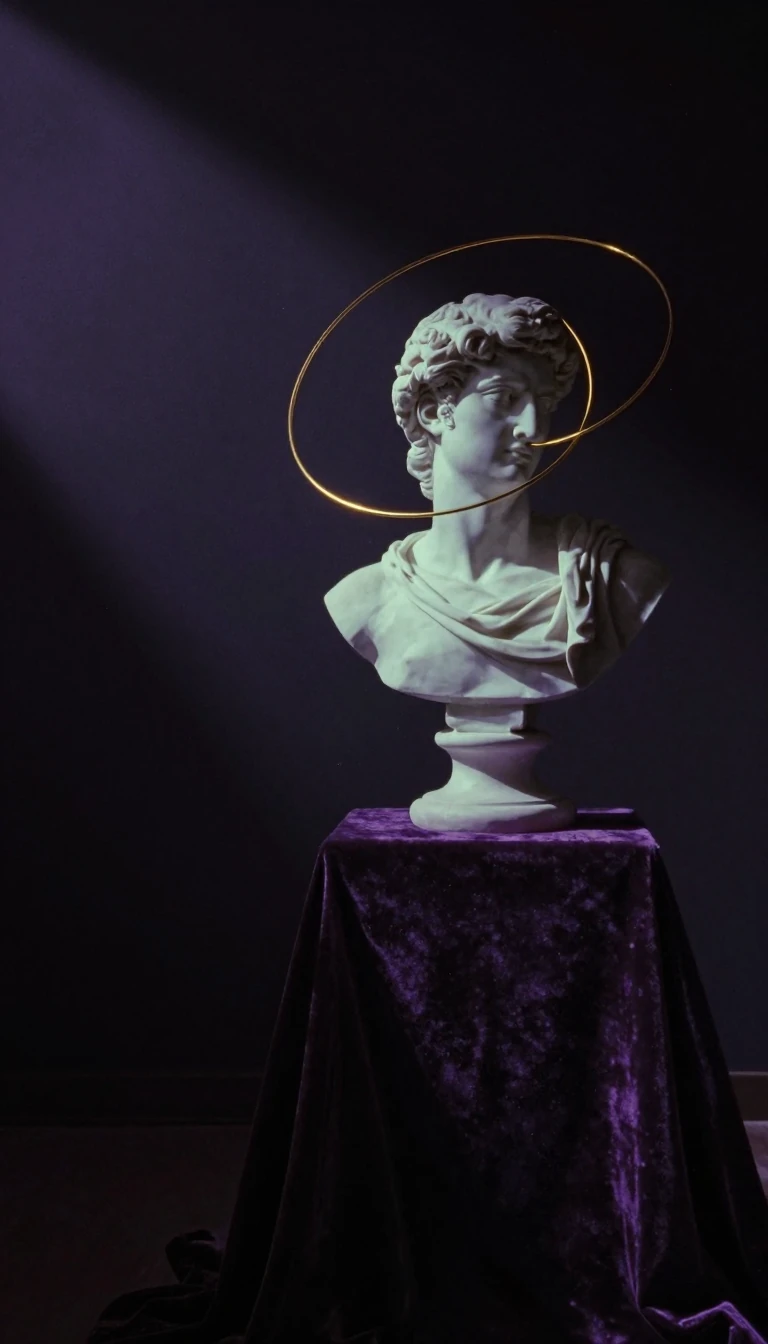
In short: Gian Lorenzo Bernini’s Apollo and Daphne captures the exact second a nymph transforms into a laurel tree to escape a god’s pursuit. This Baroque masterpiece, finished in 1625, defies the static nature of stone, using intricate detail to freeze a fleeting, high-drama moment of mythological transformation in mid-motion.
Commissioned by Cardinal Scipione Borghese, the sculpture was designed to be experienced from a specific vantage point. By positioning the viewer slightly to the right, Bernini ensured the entire narrative—Apollo’s desperate chase and Daphne’s desperate prayer for escape—could be understood in a single, instantaneous glance. While the sculpture is now displayed in the center of a room in Rome’s Galleria Borghese, allowing for 360-degree viewing, its original intent was to function almost like a relief, revealing the characters' reactions simultaneously.
The technical execution is a marvel of the Baroque era. Bernini worked on the piece between 1622 and 1625, though his progress was briefly paused to complete his sculpture of David. He did not work alone; the gifted sculptor Giuliano Finelli assisted with the delicate, lifelike details, such as the leaves sprouting from Daphne’s fingertips and her windswept hair. Despite these contributions, art historians often emphasize that Finelli was merely the instrument of Bernini’s singular creative vision, which sought to make marble appear as soft as flesh and as light as fabric.
To justify the presence of this pagan myth within the Cardinal’s villa, the sculpture was paired with a moralizing inscription provided by Pope Urban VIII. This strategy of attributing Christian virtue to classical subjects helped cement Bernini’s status as a central figure of the Counter-Reformation. While the statue’s reputation fluctuated over the centuries—with some 19th-century critics dismissing it as lacking taste—modern scholars now widely regard it as one of the most significant achievements of seventeenth-century art, praising its extraordinary energy and technical virtuosity.
Opens the Intellect+ feed with this card first. Swipe up for the next one.
Sources
- Summary by Intellect · source: Apollo and Daphne (Bernini)
- Also: www.britannica.com — Apollo and Daphne | sculpture by Bernini | Britannica
To cite this card, link to https://intellectplus.co.uk/app/art-apollo-and-daphne-bernini.
How we source, check and correct cards: Editorial standards.
General information, not professional advice. Spotted an error? Flag the card or see corrections and complaints.
Intellect Plus is a visual educational discovery platform for exploring fascinating facts and ideas. Brain Food, Not Brain Rot. What is Intellect Plus?
Related
More in Visual arts · More in Art · Latest · A–Z · All topics
