When profit meets prestige: the high-stakes world of archaeological forgery
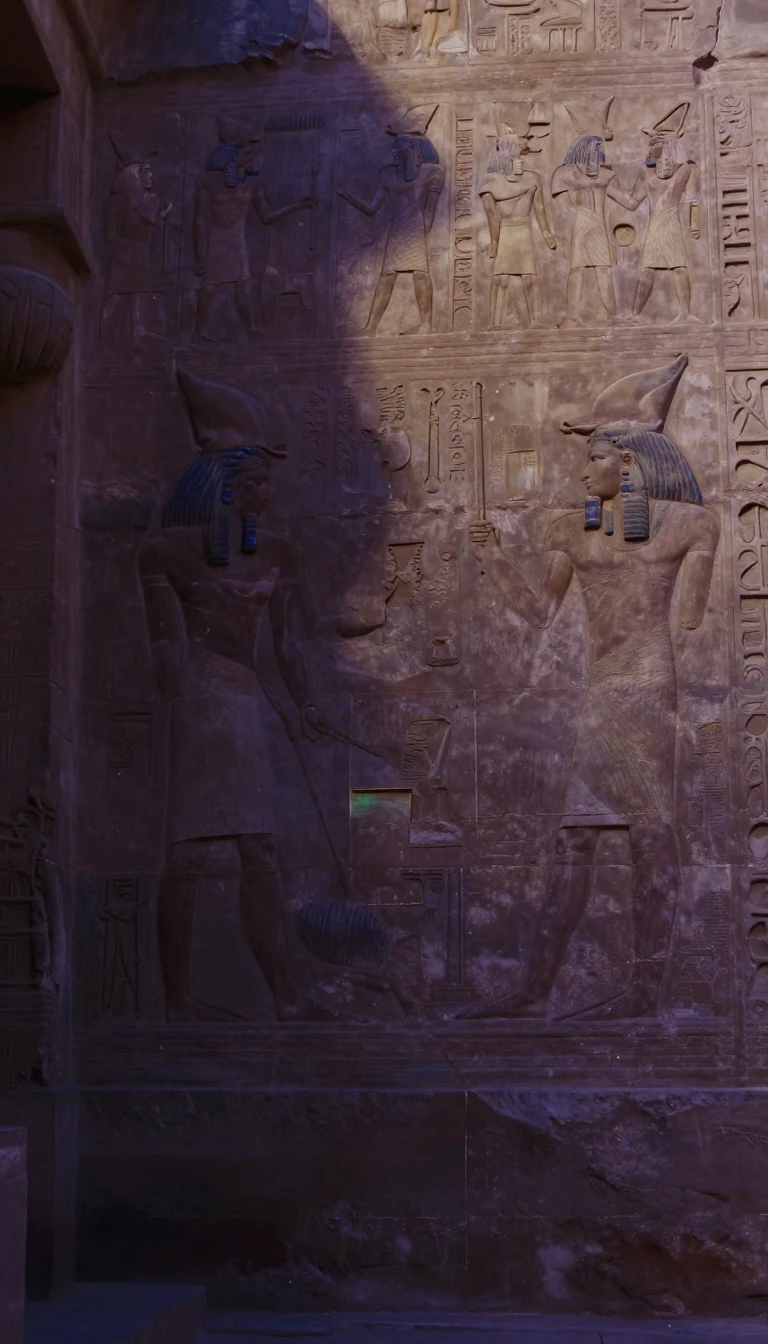
In short: A piece of pottery can be worth a fortune if it is thousands of years old, but only a fraction of its value if it is a souvenir. This lucrative gap drives a sophisticated underground industry of fake history, where forgers manufacture
Archaeological forgery involves creating supposedly ancient items to sell to the antiquities market or to enter museum collections. While often driven by financial gain—since ancient items command much higher prices than modern souvenirs—the motives can be more complex. Some forgers seek fame and prestige, while others engage in "pious fraud" to manufacture evidence for specific religious histories or to support personal academic theories.
The trade often thrives in the wake of prominent excavations, such as those in Pompeii, Crete, or the Valley of the Kings. These famous sites can inspire a surge in forgeries "spirited away" from the dig. However, the problem isn't limited to high-profile sites; recent years have seen a high volume of forged pre-Columbian pottery from South America, as well as fake Ancient Egyptian earthenware and even paleontological hoaxes like the Piltdown Man skull.
The integrity of the field is constantly challenged by these deceptive practices. Some historians argue that the antiquities trade prioritizes profit over scientific veracity, which can favor forgeries. In some cases, looters may supply the market with items of unknown origin, or dealers may embellish genuine artifacts to increase their saleability. Even established scholars have been caught; for example, James Mellaart was discovered to have forged murals and inscriptions used to "discover" the Neolithic settlement of Çatalhöyük. To combat this, investigators use tools like radiocarbon dating and neutron activation analysis to verify an object's true age.
The history of forgery is populated by diverse figures, from 17th-century Italian historian Curzio Inghirami to Victorian forger Edward Simpson, who sold fake prehistoric flint tools to the British Museum. Modern examples include Shaun Greenhalgh, who was arrested in 2006 for attempting to sell forged Assyrian reliefs, and Shinichi Fujimura, who planted specimens on false layers to gain prestige. These cases highlight how forgery can compromise entire research topics, sometimes forcing scholars to re-evaluate decades of work based on suspected fakes.
The line between forgery and legitimate study is often blurry. While some items are widely acknowledged as modern fakes—like the Gosford Glyphs in Australia or the Ica stones—others remain subjects of intense debate. For instance, several specialists argue that a Hawaiian kiʻi auctioned in 2017 is a later imitation, while a minority of scholars still use the Gosford Glyphs as evidence of ancient Egyptian contact with Australia. This tension underscores the difficulty of establishing absolute truth in the study of the past.
Opens the Intellect+ feed with this card first. Swipe up for the next one.
Sources
- Summary by Intellect · source: Archaeological forgery
To cite this card, link to https://intellectplus.co.uk/app/art-archaeological-forgery.
How we source, check and correct cards: Editorial standards.
General information, not professional advice. Spotted an error? Flag the card or see corrections and complaints.
Intellect Plus is a visual educational discovery platform for exploring fascinating facts and ideas. Brain Food, Not Brain Rot. What is Intellect Plus?
Related
More in Forgery · More in Art · Latest · A–Z · All topics
