Before pixels, computers painted with letters, numbers, and symbols to create digital art
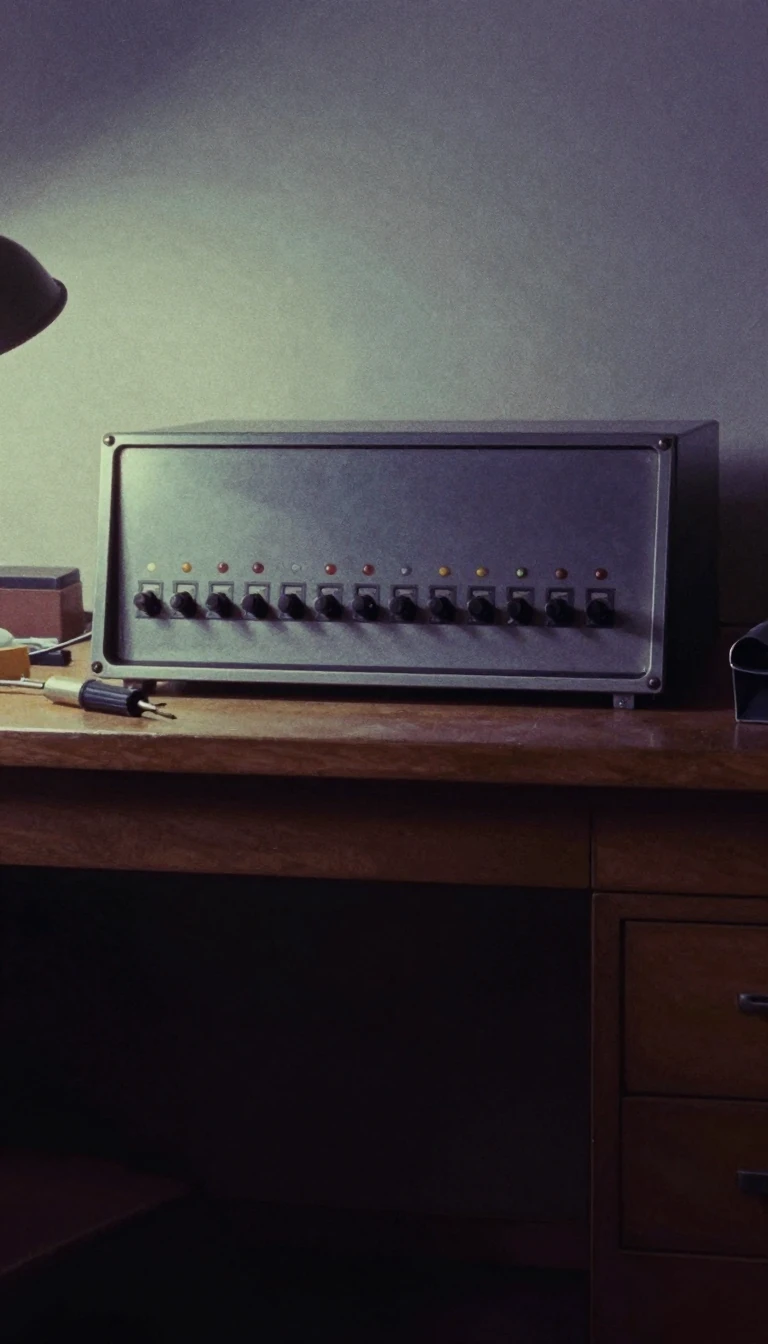
In short: ASCII art emerged from the technical constraints of early computing, where limited printers and text-only terminals necessitated creative workarounds. By arranging standard characters into complex patterns, pioneers transformed functional data into visual expression, a tradition that persists today in everything from software release notes to retro-inspired video games.
The technique relies on the 95 printable characters defined by the 1963 ASCII standard. Because early printers and terminals lacked graphical capabilities, engineers and artists used these characters to generate visual output. Early practitioners like Kenneth Knowlton, working at Bell Labs, produced realistic images in the 1960s by overprinting characters to create shading. While the term is often used broadly, true ASCII art requires a fixed-width font to maintain the structural integrity of the image.
The medium flourished as a necessity in the pre-graphical era. It was used to create banner pages for separating print jobs, to represent images in early email, and to simulate graphics in mainframe games. By the late 1970s and early 1980s, bulletin board systems became hubs for ASCII art, fostering underground online communities. Even as graphical browsing gained dominance in the 1990s, the art form survived in niche environments like Multi-User Dungeons, Internet Relay Chat, and within the source code of programs, where it serves as a signature or a functional diagram.
Techniques vary from simple emoticons and kaomoji to complex, multi-line compositions. Artists use block elements and Braille characters to achieve higher resolution, while others rely on traditional typewriter-style lettering. The practice remains a staple of technical culture, appearing in modern command-line tools like Neofetch and in the release notes of software groups. Despite the evolution of high-resolution displays, ASCII art persists as a testament to the ingenuity required to visualize information when only text is available.
Opens the Intellect+ feed with this card first. Swipe up for the next one.
Sources
- Summary by Intellect · source: ASCII art
To cite this card, link to https://intellectplus.co.uk/app/art-ascii-art.
How we source, check and correct cards: Editorial standards.
General information, not professional advice. Spotted an error? Flag the card or see corrections and complaints.
Intellect Plus is a visual educational discovery platform for exploring fascinating facts and ideas. Brain Food, Not Brain Rot. What is Intellect Plus?
Related
More in Visual arts · More in Art · Latest · A–Z · All topics
