How a giant catfish and a gold crisis ended Japan's feudal era
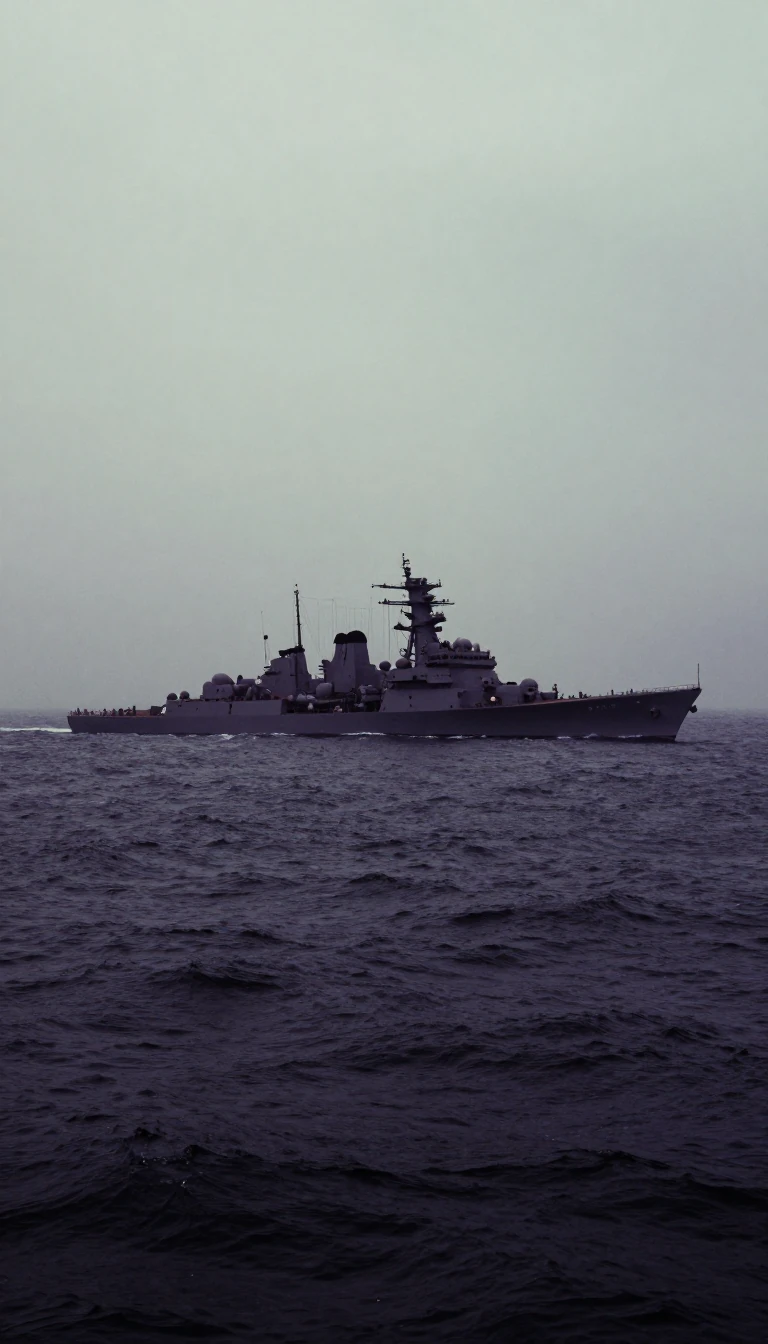
In short: Between 1853 and 1867, Japan collapsed its centuries-old isolationist policy under intense foreign pressure. The resulting economic chaos, fueled by a massive gold drain and natural disasters, triggered a social upheaval that saw samurai attacking foreigners and the shogunate losing its grip on power to a rising imperial movement.
The Bakumatsu period began when Commodore Matthew C. Perry arrived in Edo Bay in 1853, threatening bombardment to force Japan to open its ports. This intrusion shattered the shogunate's authority, as the government struggled to balance the demands of the emperor, feudal lords, and foreign powers. The subsequent 1858 Harris Treaty, which granted extraterritoriality and fixed low trade duties, exacerbated domestic tensions by sparking massive inflation and unemployment.
Economic instability was compounded by a broken monetary system. Japan’s internal gold-to-silver exchange rate was 1:5, while international markets operated at 1:15. This discrepancy allowed foreigners to drain Japan of approximately 70 tons of gold in 1860 alone, effectively destroying the gold standard. To compensate, the shogunate debased its coinage, further destabilizing the economy while cholera outbreaks and major famines ravaged the population.
Amidst this turmoil, the 1854–1855 Ansei earthquakes—a series of 120 tremors including the 8.4 magnitude Tōkai and Nankai events—were widely blamed on a giant catfish, or Namazu. These disasters, interpreted by many as divine displeasure, fueled the 'revere the Emperor, expel the barbarians' (sonnō jōi) movement. Intellectuals and samurai, frustrated by the shogunate's perceived weakness, increasingly turned to violence against foreigners, leading to a period where roughly one foreigner was killed each month.
The crisis reached a breaking point when the Emperor Kōmei broke with tradition to actively demand the expulsion of foreigners. This defiance led to open conflict, such as the Chōshū clan’s attacks on ships in the Shimonoseki Strait. By the time of the Boshin War, the shogunate's inability to reconcile traditional Japanese methods with the military reality of Western powers had rendered the feudal system obsolete, paving the way for the Meiji government.
Opens the Intellect+ feed with this card first. Swipe up for the next one.
Sources
- Summary by Intellect · source: Bakumatsu
To cite this card, link to https://intellectplus.co.uk/app/art-bakumatsu.
How we source, check and correct cards: Editorial standards.
General information, not professional advice. Spotted an error? Flag the card or see corrections and complaints.
Intellect Plus is a visual educational discovery platform for exploring fascinating facts and ideas. Brain Food, Not Brain Rot. What is Intellect Plus?
Related
More in Visual arts · More in Art · Latest · A–Z · All topics
