Can a collection of ancient ceremonial rules define the moral fabric of a civilization?
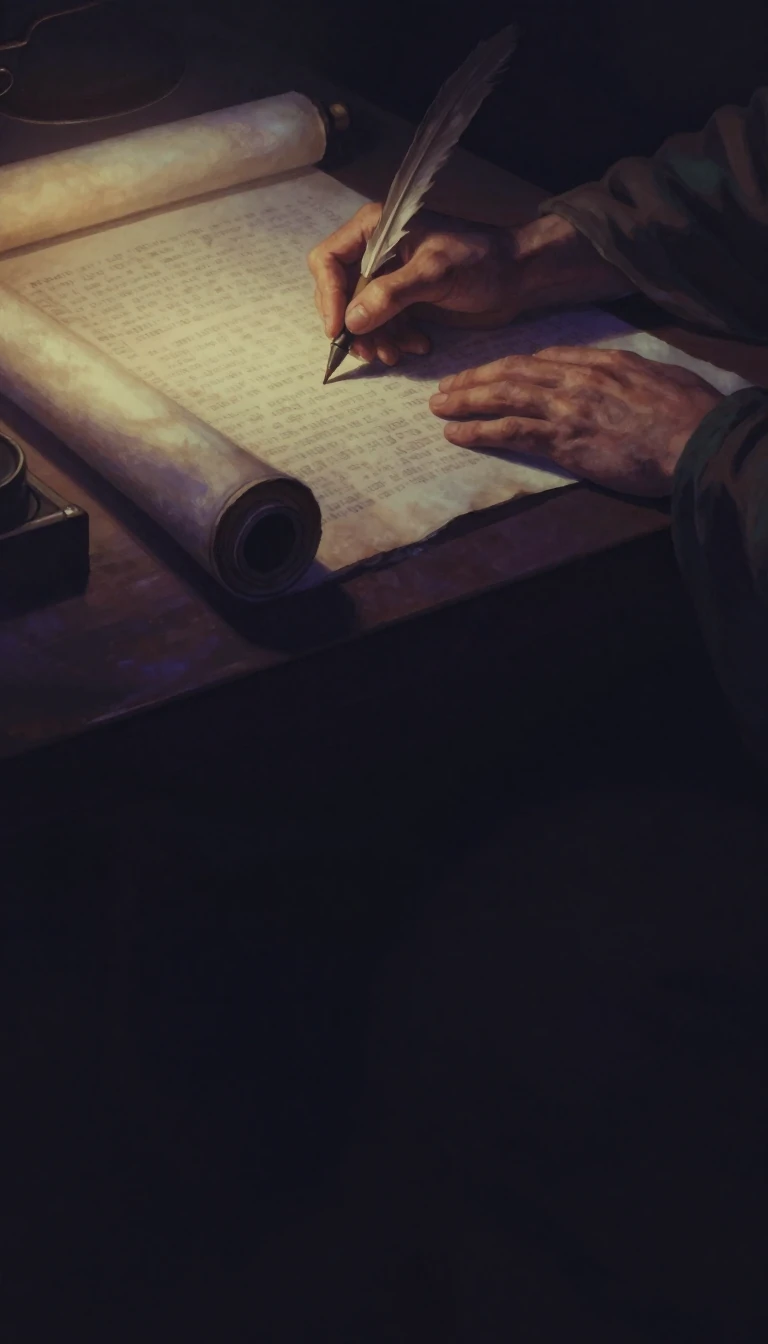
In short: The Book of Rites, or Liji, is more than a manual of etiquette. As a pillar of the Confucian tradition, this diverse compilation of texts sought to stabilize a crumbling society by reviving the order of the past. It transformed from fragmented scrolls into the bedrock of imperial Chinese governance.
The Book of Rites is a complex, non-linear compilation of texts that emerged from the Zhou dynasty and were interpreted during the Warring States and early Han periods. Unlike more structured works, it is a heterogeneous collection covering administrative systems, social forms, and specific ritual definitions. While traditional accounts once credited scholars like Dai De and Dai Sheng with organizing the text into its current form, modern scholarship remains skeptical of these specific attributions, noting a lack of definitive evidence for such editorial roles.
The text's historical authenticity was long debated, particularly during the Doubting Antiquity movement. However, the 1993 discovery of the Black Robes chapter in a tomb sealed around 300 BCE provided physical evidence that at least some portions of the work originated in the Warring States period. This finding challenged the assumption that the text was purely a later Han invention, suggesting it preserves genuine, ancient historical materials that survived the infamous 213 BCE burning of books under Qin Shi Huang.
Central to the work is the concept of li, which Confucius championed as a vital standard for conduct, decorum, and social harmony. By integrating these practices into daily life, individuals could fulfill their responsibilities to others, fostering moral order. The text’s influence grew significantly when Neo-Confucian scholars like Zhu Xi elevated chapters such as the Great Learning and the Doctrine of the Mean. By 1313, these works became essential components of the imperial civil service examinations, dictating the curriculum for Chinese bureaucrats until 1905 and cementing the Book of Rites as a central force in shaping centuries of intellectual life.
Opens the Intellect+ feed with this card first. Swipe up for the next one.
Sources
- Summary by Intellect · source: Book of Rites
- Also: Art Institute of Chicago — Rite · CC0 (data); description CC BY 4.0
To cite this card, link to https://intellectplus.co.uk/app/art-book-of-rites.
How we source, check and correct cards: Editorial standards.
General information, not professional advice. Spotted an error? Flag the card or see corrections and complaints.
Intellect Plus is a visual educational discovery platform for exploring fascinating facts and ideas. Brain Food, Not Brain Rot. What is Intellect Plus?
Related
More in Literature · More in Art · Latest · A–Z · All topics
