Byzantine writers navigated a thousand-year linguistic divide between high-status archaism and the common tongue.
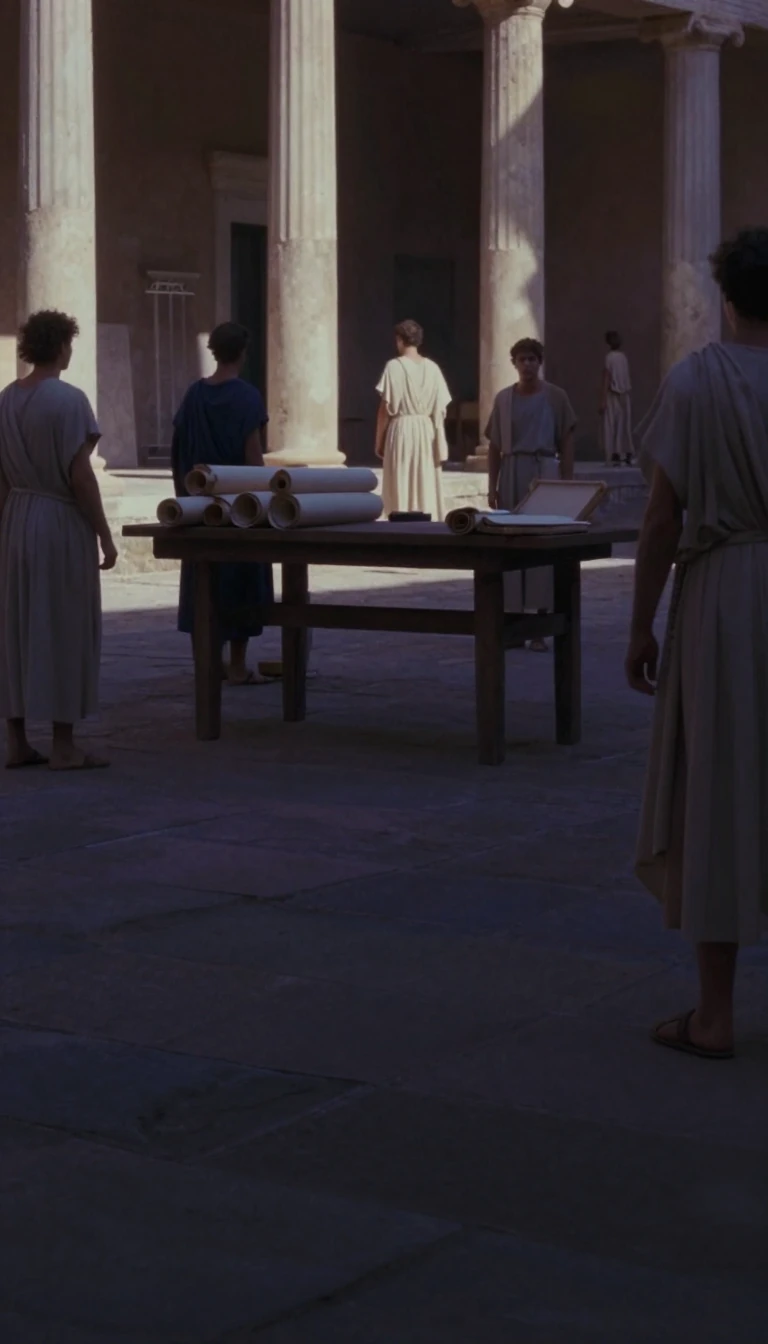
In short: For a millennium, Byzantine literature existed in two worlds. While the elite clung to a rigid, classicizing language to mirror the prestige of antiquity, a vibrant vernacular eventually emerged. This tension between the scholarly past and the living present defined the intellectual life of an empire that never stopped looking back.
Byzantine literature, spanning the Middle Ages, was defined by a phenomenon known as diglossy. For 1,000 years, writers maintained a strict separation between the prestigious, archaizing language of tradition and the evolving vernacular spoken by the populace. This classicizing style was sustained by an education system that prioritized rhetoric, ensuring that even Christian Church Fathers shared the literary values of their pagan predecessors. Consequently, serious writing remained largely removed from the everyday language of the people.
The empire's literary output fluctuated with its political stability. During the 7th to 9th centuries, education and city life declined, weakening the grip of the classicizing style. However, the 9th and 10th centuries saw a conscious revival of Hellenic-Christian culture, where popular language was actively despised and earlier texts were rewritten in inflated, archaic forms. It was not until the 12th century that cultural self-assurance allowed for the development of new genres like romantic fiction and satire, which occasionally incorporated spoken Greek.
By the final centuries of the empire, from 1204 to 1453, a dual literary culture flourished. While scholars continued to produce imitative, classicizing works to assert superiority over the West, a genuine vernacular literature emerged in the form of poetic romances. These works, such as the Byzantine Achilleid or adaptations of Western tales like the story of Floire et Blancheflor, utilized a 15-syllable stressed line that broke from classical models. Despite this innovation, the most serious intellectual and historical writing remained tethered to the prestigious, archaic tradition, creating a unique mosaic of ancient echoes and medieval reality.
Opens the Intellect+ feed with this card first. Swipe up for the next one.
Sources
- Summary by Intellect · source: Greek literature - Byzantine, Epic, Poetry | Britannica
- Also: Byzantine literature
To cite this card, link to https://intellectplus.co.uk/app/art-byzantine-literature.
How we source, check and correct cards: Editorial standards.
General information, not professional advice. Spotted an error? Flag the card or see corrections and complaints.
Intellect Plus is a visual educational discovery platform for exploring fascinating facts and ideas. Brain Food, Not Brain Rot. What is Intellect Plus?
Related
More in Literature · More in Art · Latest · A–Z · All topics
