Captain Ahab is a literary mosaic of Shakespearean tragedy, biblical villainy, and Greek myth.
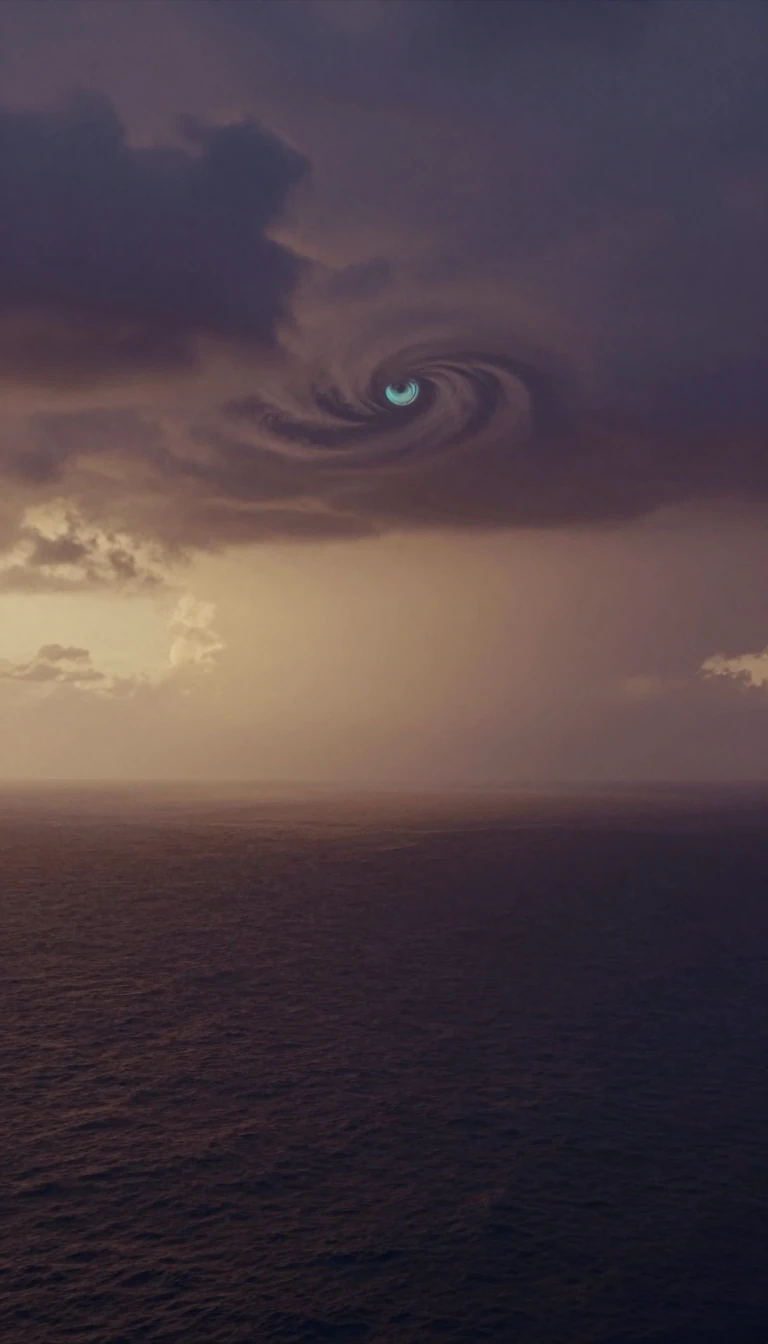
In short: Herman Melville’s monomaniacal whaling captain is more than a vengeful sailor. He is a carefully constructed artistic synthesis of Milton’s Satan, King Lear, and the doomed figures of Oedipus and Narcissus. Ahab’s obsession with the white whale is not merely a hunt, but a profound, fatal collision with the cosmos.
Captain Ahab, the 58-year-old commander of the Pequod, is defined by a singular, destructive mission: revenge against the white whale that severed his leg. While popular culture often reduces him to a simple villain, scholars like Andrew Delbanco describe him as a brilliant personification of fanaticism. His character was not based on any specific captain Melville served under, but was instead meticulously crafted using a 'Coleridgean formula'—taking a single intellectual faculty and pushing it to a state of morbid excess.
Melville layered Ahab with complex allusions to elevate his struggle to a mythic scale. He is compared to the biblical King Ahab, an idolater who offended the divine, and to Milton’s Satan, sharing a pride that views any perceived injury as an intolerable slight. His physical traits, such as his ivory prosthetic and a mysterious, lightning-like scar, mirror the archetypal wounded figures of Prometheus and Oedipus. Even his madness is structured, with his harpooner Fedallah acting as an auditory reflection of his own dark impulses, much like the nymph Echo in the Narcissus myth.
The tragedy of Ahab lies in his self-delusion. Like Narcissus, he projects his own malice onto the whale, failing to recognize that the enemy he hunts is a reflection of his own internal state. While he seeks to 'expel evil from the cosmos' by killing Moby Dick, he remains trapped in a cycle of ignorance and pride. His death, caused by a foul line dragging him into the sea, mirrors accounts of real-life sailors Melville encountered, grounding his grand, Shakespearean-style soliloquies in the brutal reality of 19th-century whaling.
Ultimately, Ahab is a character who refuses to compromise. Whether he is nailing a doubloon to the mast to incite his crew or baptizing his harpoon in the name of the devil, he embodies a towering, blasphemous rebellion. By the time the Pequod sinks, dragging a 'living part of heaven' down with it, Ahab has successfully transformed a commercial voyage into a doomed, fiery hunt against the mysteries of existence itself.
Opens the Intellect+ feed with this card first. Swipe up for the next one.
Sources
- Summary by Intellect · source: Captain Ahab
To cite this card, link to https://intellectplus.co.uk/app/art-captain-ahab.
How we source, check and correct cards: Editorial standards.
General information, not professional advice. Spotted an error? Flag the card or see corrections and complaints.
Intellect Plus is a visual educational discovery platform for exploring fascinating facts and ideas. Brain Food, Not Brain Rot. What is Intellect Plus?
Related
More in UK & Ireland: arts · More in Art · Latest · A–Z · All topics
