How a South Indian empire turned molten metal into eternal gods
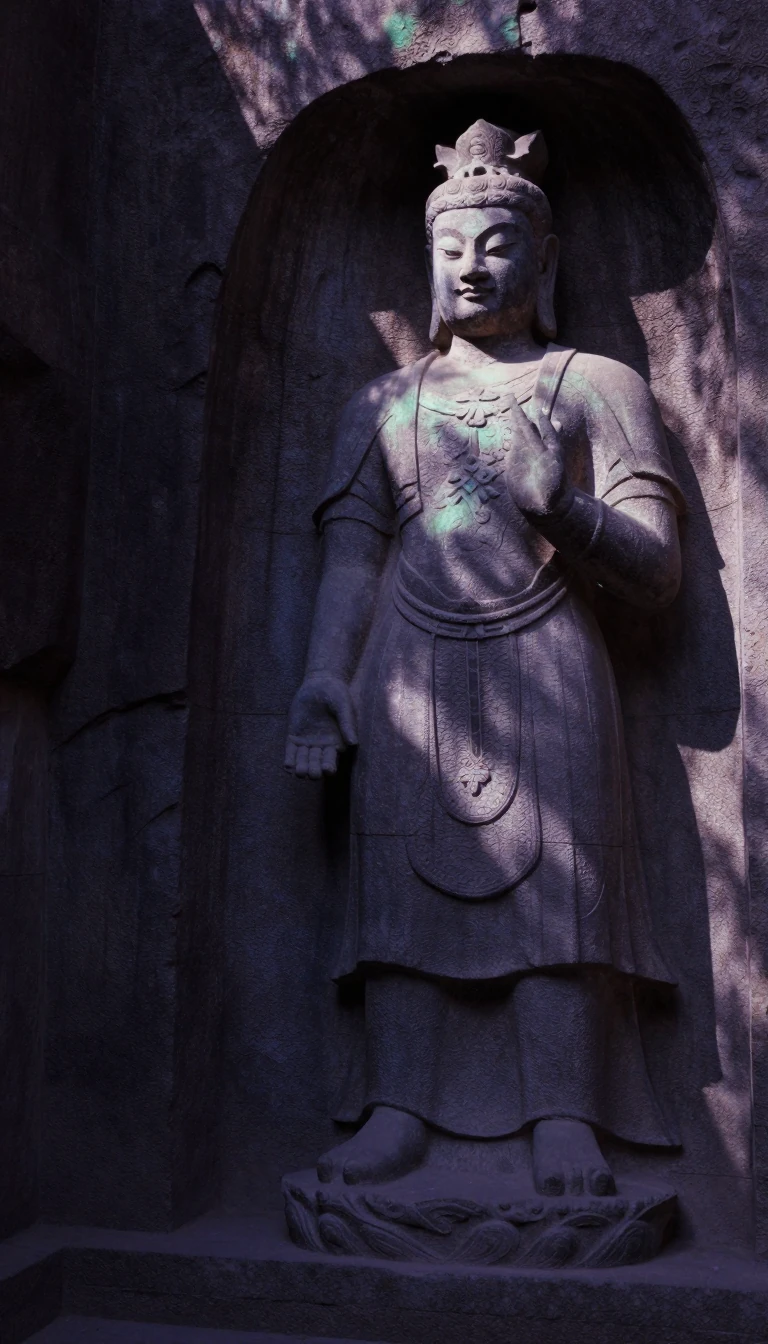
In short: Between 850 and 1250 CE, the Chola dynasty transformed South India through monumental stone architecture and exquisite bronze casting. Using the complex lost-wax technique, artisans created iconic figures like the Nataraja, designed not just for altars, but to dance through the streets during grand public processions.
The Chola architectural legacy is defined by three distinct phases. The early period, spanning from Vijayalaya Chola to Sundara Chola, saw the construction of smaller, often brick-based structures like those along the Kaveri river. This evolved into a middle period of unprecedented scale under Rajaraja Chola and Rajendra Chola, characterized by massive granite monuments. The final phase, during the Chalukya Chola period, saw the continued refinement of these styles until the empire's decline.
At the height of this era, the Brihadisvaram temple in Thanjavur stood as a masterpiece of engineering. Completed around 1010 CE, the temple features a 190-foot vimana, or tower, and an 81-ton granite block serving as its crest. While later temples like Gangaikondacholapuram adopted similar plans, they introduced more fluid, concave lines to the pyramidal structure, contrasting with the rigid, straight lines of the Thanjavur original.
Parallel to these stone giants was the mastery of bronze. Using the 'Cire Perdue' or lost-wax method, sculptors mixed beeswax and camphor to fashion intricate models. These were encased in clay from termite hills and fired to melt the wax away, leaving a void for molten 'Pancha Loham' alloy. This process ensured that every icon, from the cosmic Nataraja to the meditative Buddha, was a unique, unrepeatable work of art. These bronzes were often dressed in silk and jewels, carried on poles during festivals to allow the public to participate in the divine life of the city.
Opens the Intellect+ feed with this card first. Swipe up for the next one.
Sources
- Summary by Intellect · source: Chola art and architecture
- Also: Art Institute of Chicago — Buddha Shakyamuni Seated in Meditation (Dhyanamudra) · CC0 (data); description CC BY 4.0
- Also: Art Institute of Chicago — Shiva as Lord of the Dance (Nataraja) · CC0 (data); description CC BY 4.0
To cite this card, link to https://intellectplus.co.uk/app/art-chola-art-and-architecture.
How we source, check and correct cards: Editorial standards.
General information, not professional advice. Spotted an error? Flag the card or see corrections and complaints.
Intellect Plus is a visual educational discovery platform for exploring fascinating facts and ideas. Brain Food, Not Brain Rot. What is Intellect Plus?
Related
More in Medieval art · More in Art · Latest · A–Z · All topics
