How a fictional rebellion against a global empire became a landmark of Japanese animation.
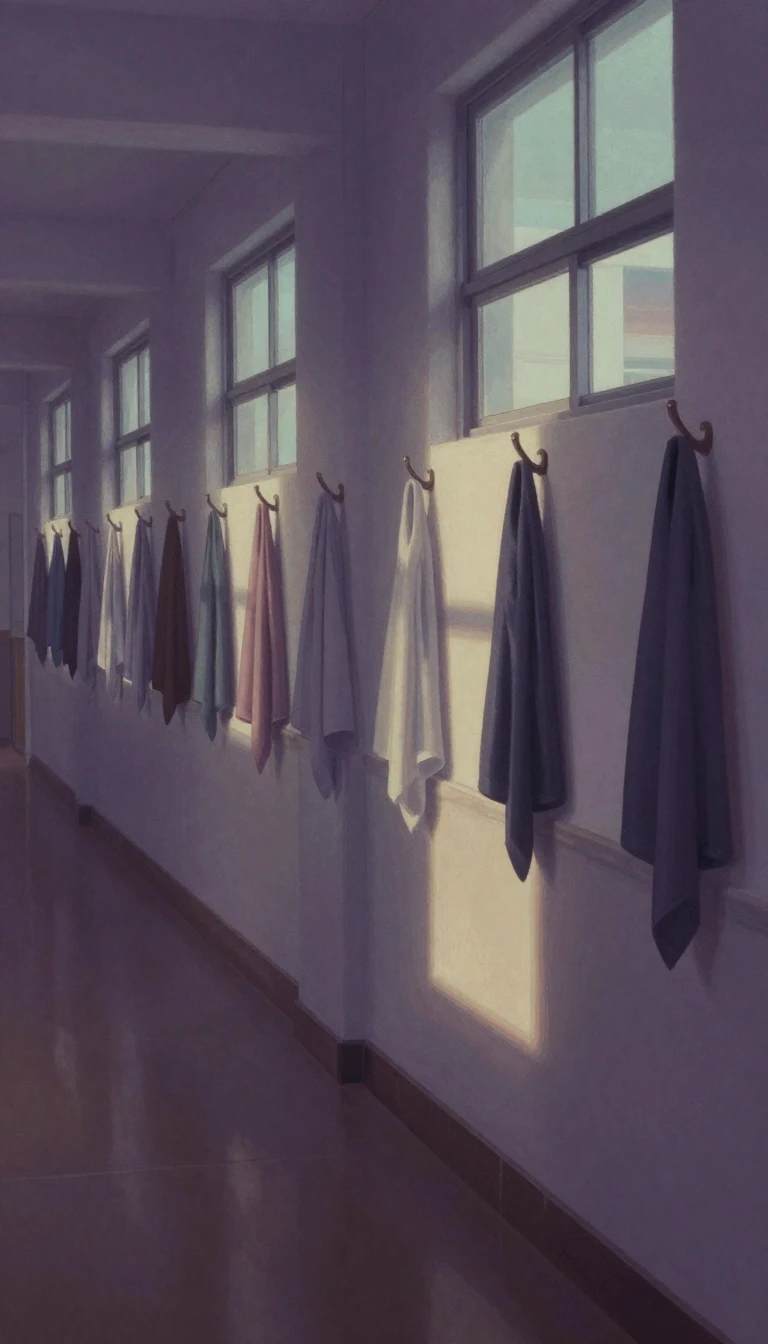
In short: Code Geass follows an exiled prince who gains the supernatural power of absolute obedience. Using this ability, he leads a high-stakes mecha rebellion against the Holy Britannian Empire. Beyond its tactical battles, the series is celebrated for its complex moral questions and its enduring impact on the anime landscape.
The series centers on Lelouch Lamperouge, a prince cast out by his father, the Emperor of the Holy Britannian Empire. After Japan is conquered and rebranded as Area 11, Lelouch vows vengeance. His path changes when he encounters a mysterious woman named C.C., who grants him the Geass, a power allowing him to command anyone to follow his orders through direct eye contact.
Developed by the studio Sunrise, the project was led by director Gorō Taniguchi and writer Ichirō Ōkouchi. They collaborated with the artist collective Clamp, who provided the series' distinctive character designs. The show’s aesthetic and narrative were carefully refined to appeal to a mature, late-night audience, shifting from its initial prime-time slot to a more experimental late-night broadcast window.
The franchise is defined by its intricate alternate history, where the Britannian Empire’s roots trace back to a failed Roman invasion of Britain in 55 BC. This divergence creates a world where global superpowers like the Chinese Federation and Europa United clash with Britannia. The series has since expanded into a vast multimedia universe, including sequel films, side stories like Akito the Exiled, and various manga adaptations that explore different timelines and settings.
Critical reception has been strong, with the series winning multiple awards and selling over a million home media units in Japan. Its legacy is marked by its ability to blend political drama with mecha action, consistently raising questions about the cost of power and the morality of revolution. With new projects announced as part of a long-term franchise plan, the story of Lelouch continues to evolve decades after its debut.
Opens the Intellect+ feed with this card first. Swipe up for the next one.
Sources
- Summary by Intellect · source: Code Geass
To cite this card, link to https://intellectplus.co.uk/app/art-code-geass.
How we source, check and correct cards: Editorial standards.
General information, not professional advice. Spotted an error? Flag the card or see corrections and complaints.
Intellect Plus is a visual educational discovery platform for exploring fascinating facts and ideas. Brain Food, Not Brain Rot. What is Intellect Plus?
Related
More in Film and television · More in Art · Latest · A–Z · All topics
