Color field painting stripped away artistic ego to let pure color speak for itself.
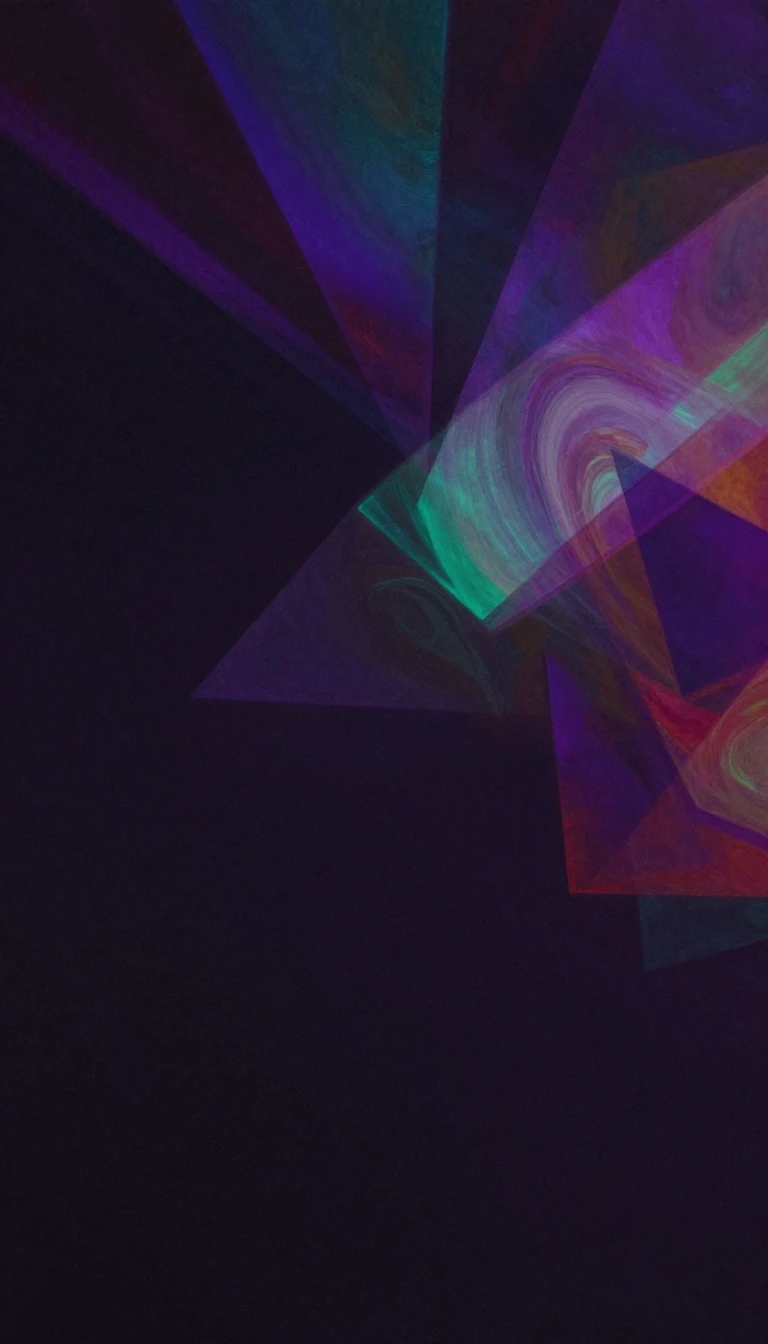
In short: Emerging in the 1940s, color field painting rejected the frantic brushwork of action painters in favor of vast, unbroken surfaces. By treating color as the subject rather than a tool, artists sought to evoke deep emotional responses through monolithic, simplified forms that redefined the boundaries of modern abstract art.
Color field painting emerged in New York during the 1940s and 1950s as a distinct departure from the gestural intensity of abstract expressionism. While action painters like Harold Rosenberg championed the physical act of painting, critics such as Clement Greenberg identified a separate, quieter tendency: the use of large, flat fields of color to create a unified picture plane. This movement sought to eliminate superfluous rhetoric, focusing instead on the consistency of form and the psychological impact of pure color, which was freed from objective context.
The movement's pioneers included Mark Rothko, Clyfford Still, and Barnett Newman. Rothko, initially influenced by Still's jagged, primordial fields, eventually shifted from bright, emotive reds and yellows to darker, bleaker palettes. Newman introduced his signature 'zips'—thin vertical lines that structured his massive canvases—while Still utilized heavy, irregular textures reminiscent of cavernous landscapes. These artists, along with others like Robert Motherwell and Helen Frankenthaler, revolutionized paint application, notably through the 'stain' technique, where fluid paint was soaked directly into raw canvas.
By the 1960s, the movement expanded to include the Washington Color School, featuring artists like Morris Louis and Kenneth Noland. While some critics, including Greenberg, preferred the term 'post-painterly abstraction,' the movement remained a significant force, influencing minimalism and hard-edge painting. Despite its impact, the label remained contested; some artists, like Rothko, resisted categorization, viewing color as merely an instrument for expressing basic human emotions like tragedy and ecstasy. Ultimately, color field painting represented a shift toward a calmer, more cohesive visual language that prioritized the painting as a monolithic, self-contained experience.
Opens the Intellect+ feed with this card first. Swipe up for the next one.
Sources
- Summary by Intellect · source: Color field
To cite this card, link to https://intellectplus.co.uk/app/art-color-field.
How we source, check and correct cards: Editorial standards.
General information, not professional advice. Spotted an error? Flag the card or see corrections and complaints.
Intellect Plus is a visual educational discovery platform for exploring fascinating facts and ideas. Brain Food, Not Brain Rot. What is Intellect Plus?
Related
More in Visual arts · More in Art · Latest · A–Z · All topics
