Is it possible to fix a masterpiece without destroying its soul or original intent?
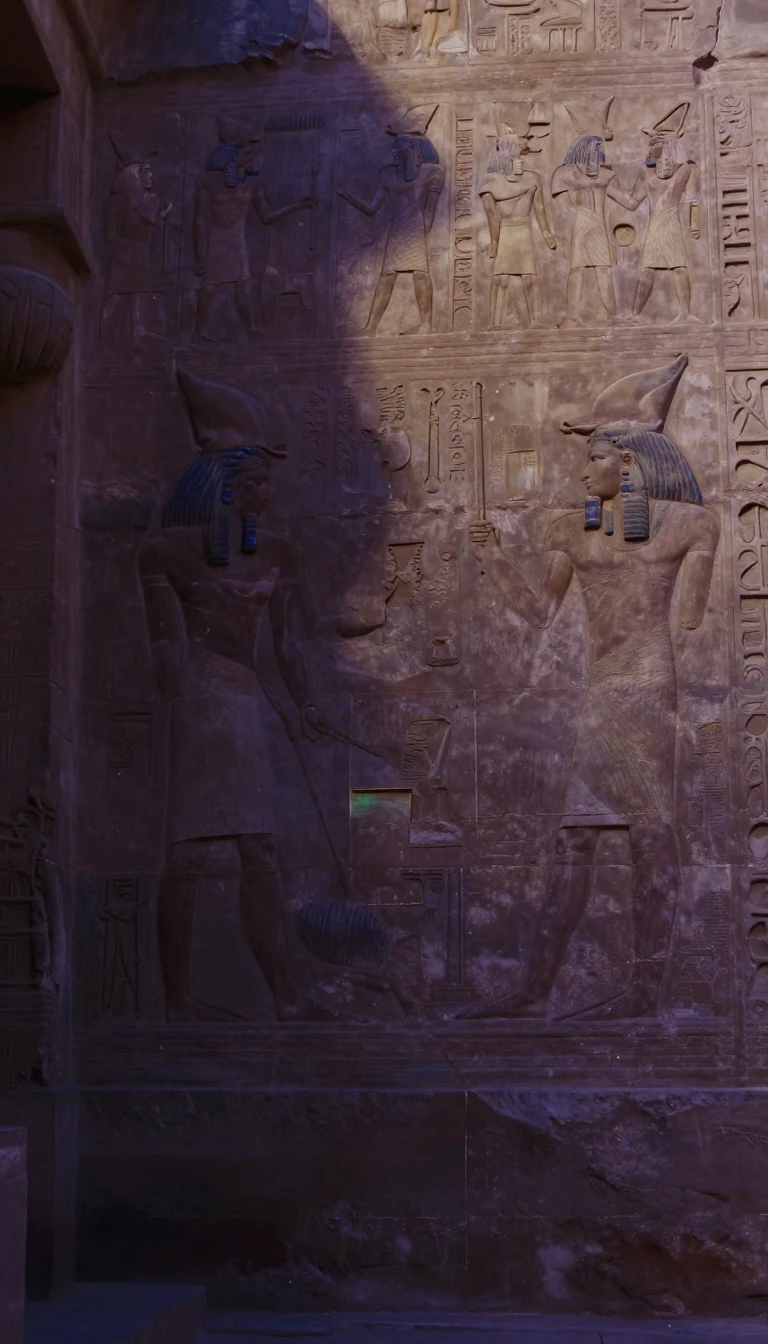
In short: Conservation is no longer just about mending broken objects. It is a rigorous, scientific, and ethical discipline that balances the physical needs of an artifact with the artist's original intent. Today, the field faces a new challenge: how to preserve our shared history while minimizing our environmental footprint on the planet.
The modern conservation of cultural heritage is a sophisticated blend of art history and hard science. Historically, artists were the primary restorers of damaged works, but the 19th century saw a shift toward scientific inquiry. Figures like Michael Faraday and Louis Pasteur began examining how environmental factors damaged art, while Friedrich Rathgen, the first museum chemist in Berlin in 1888, pioneered a systematic approach to object care. This scientific evolution accelerated in the 20th century, particularly in Britain and the United States, where institutions like the Fogg Art Museum and the British Museum established dedicated research laboratories to address deterioration.
At the heart of contemporary practice lies a complex ethical framework. Conservators must navigate the tension between preserving a work's appearance and maintaining its material integrity. A long-standing, though now debated, principle is reversibility—the idea that any intervention should be undoable. Cesare Brandi, a seminal theorist, described restoration as a 'methodological moment' where a work is appreciated in its material and historical duality to ensure its transmission to the future. Decisions are never made in isolation; they require deep consultation with stakeholders, curators, and scientists who use advanced tools like x-ray instruments and spectrometers to guide treatment.
Today, the field is undergoing a green transformation. Recognizing that conservation should not come at the cost of the environment, professionals are adopting sustainable practices. This includes replacing toxic solvents with 'green' alternatives, such as nano-materials or semi-rigid aqueous gels, and minimizing waste by preparing smaller quantities of adhesives. These efforts reflect a broader shift in the museum world, where the responsibility of stewardship now extends beyond the object itself to the global environment. Whether through preventive measures—like controlling light and humidity—or interventive treatments, the goal remains the same: to reduce the rate of decay while respecting the complex, often fragile, history of the object.
Opens the Intellect+ feed with this card first. Swipe up for the next one.
Sources
- Summary by Intellect · source: Conservation and restoration of cultural property
- Also: Art Institute of Chicago — Broken and Restored Multiplication · CC0 (data); description CC BY 4.0
To cite this card, link to https://intellectplus.co.uk/app/art-conservation-and-restoration-of-cultural-property.
How we source, check and correct cards: Editorial standards.
General information, not professional advice. Spotted an error? Flag the card or see corrections and complaints.
Intellect Plus is a visual educational discovery platform for exploring fascinating facts and ideas. Brain Food, Not Brain Rot. What is Intellect Plus?
Related
More in Visual arts · More in Art · Latest · A–Z · All topics
