Why a lost manuscript about a Soviet show trial became a 20th-century literary classic.
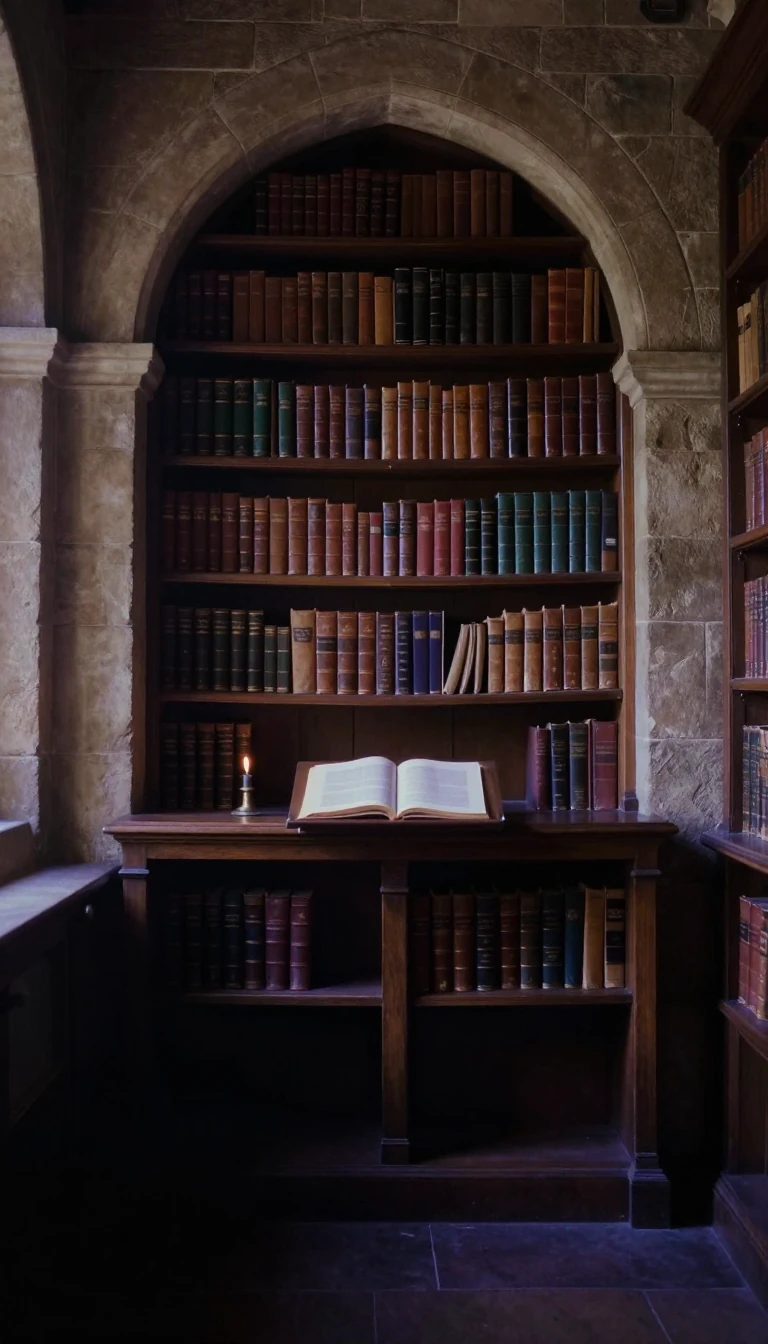
In short: Arthur Koestler’s Darkness at Noon explores the moral decay of the Old Bolsheviks through the eyes of Rubashov, a prisoner facing his own government. Written in German while the author fled the Nazis, the novel’s original manuscript vanished for decades, leaving its legacy to an English translation that shaped history.
Published in 1940, Darkness at Noon serves as an allegory for the Great Purge and the Moscow show trials of 1938. The protagonist, Rubashov, is a composite character representing the Old Bolsheviks—men who helped build the Soviet state only to be consumed by it. Though the novel never explicitly names the USSR or Stalin, it captures the chilling logic of a regime that justifies the suffering of millions in the name of a future socialist utopia.
The book’s production was as tumultuous as its subject matter. Koestler completed the manuscript in the summer of 1939 near Belvédère, France, with the help of his companion, sculptor Daphne Hardy, who translated it into English. Fearing the manuscript would be confiscated by police or lost during the war, Hardy mailed her translation to London in May 1940. Koestler, believing the original German text and Hardy herself were lost at sea, attempted suicide in Lisbon before eventually reaching Britain.
For decades, the novel was known only through Hardy’s English translation, which was produced in haste without access to dictionaries or specialized political terminology. It was not until August 2015 that a doctoral candidate discovered the original German manuscript in a Zurich library. This discovery allowed for a 2019 translation by Philip Boehm, which corrected earlier linguistic ambiguities—such as the term 'hearing' instead of 'interrogation'—that had arguably softened the perceived brutality of the totalitarian regimes depicted.
The novel remains a profound meditation on the conflict between individual conscience and party discipline. Through Rubashov’s interactions with characters like the cynical Gletkin and the humane Ivanov, Koestler dissects how the elite betray their own rank and file. Despite its origins in a lost manuscript, the work was a massive success, selling half a million copies in France alone and securing its place as a definitive critique of 20th-century totalitarianism.
Opens the Intellect+ feed with this card first. Swipe up for the next one.
Sources
- Summary by Intellect · source: Darkness at Noon
- Also: Art Institute of Chicago — The Nooning · CC0 (data); description CC BY 4.0
To cite this card, link to https://intellectplus.co.uk/app/art-darkness-at-noon.
How we source, check and correct cards: Editorial standards.
General information, not professional advice. Spotted an error? Flag the card or see corrections and complaints.
Intellect Plus is a visual educational discovery platform for exploring fascinating facts and ideas. Brain Food, Not Brain Rot. What is Intellect Plus?
Related
More in Literature · More in Art · Latest · A–Z · All topics
