How a group of mystery writers banned coincidence to save the detective novel
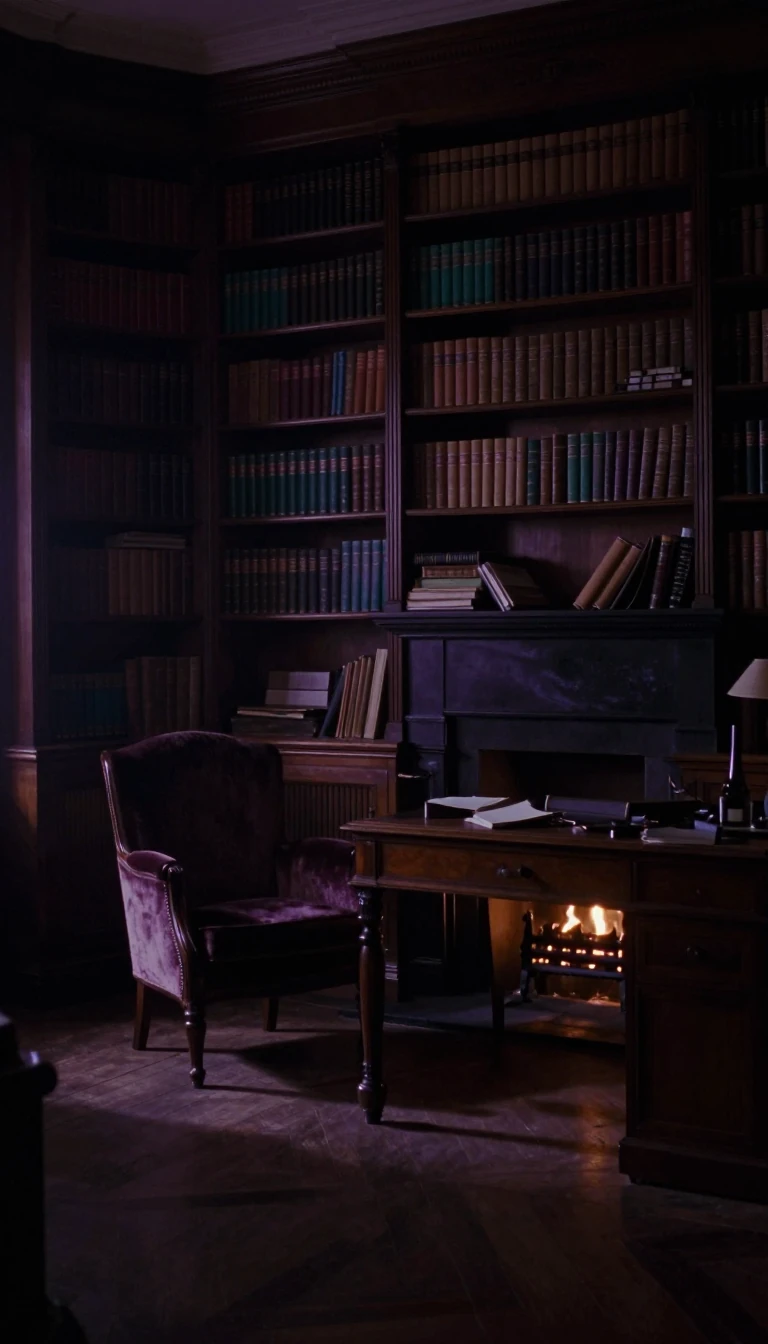
In short: In 1930, a prestigious circle of British authors gathered in London to enforce a new standard of literary fairness. They sought to eliminate cheap plot devices, ensuring that readers had a genuine opportunity to solve the crime alongside the detective through logic rather than luck.
Formed in 1930, the Detection Club brought together legendary mystery novelists, including Agatha Christie, Dorothy L. Sayers, and G. K. Chesterton. The group was instrumental in shaping the 'Golden Age' of detective fiction. To maintain high standards of craftsmanship, members adhered to the 'Knox's Commandments,' a set of guidelines designed to promote fair play. These rules were intended to prevent authors from using unearned resolutions, such as sudden divine intervention, inexplicable intuition, or improbable accidents, to conclude a mystery.
The club's commitment to technical excellence was evident in their collaborative works. In the 1931–1932 round-robin novel, The Floating Admiral, authors contributed individual chapters while providing sealed, independent solutions. This rigorous process prevented any single writer from introducing impossible complications that lacked a logical resolution. Other notable collaborative projects included the 1931 novellas The Scoop and Behind the Screen, and the 1953 novella No Flowers By Request.
While the club's membership was originally restricted to authors of 'pure' detective fiction, the boundaries eventually expanded. In 1952, the election of thriller writer Eric Ambler signaled a shift in the club's scope. Despite its strict origins, the club's influence persisted through decades of membership, including the 1936 election of American author John Dickson Carr and the later inclusion of writers like Christianna Brand and Edmund Crispin. Though the strictness of the fair-play rules has since been relaxed, the club's legacy remains a cornerstone of the genre's history.
Opens the Intellect+ feed with this card first. Swipe up for the next one.
Sources
- Summary by Intellect · source: Detection Club
- Also: Art Institute of Chicago — Detective · CC0 (data); description CC BY 4.0
To cite this card, link to https://intellectplus.co.uk/app/art-detection-club.
How we source, check and correct cards: Editorial standards.
General information, not professional advice. Spotted an error? Flag the card or see corrections and complaints.
Intellect Plus is a visual educational discovery platform for exploring fascinating facts and ideas. Brain Food, Not Brain Rot. What is Intellect Plus?
Related
More in Detective fiction · More in Art · Latest · A–Z · All topics
