From cathode rays to digital canvas: how computers redefined the art of painting
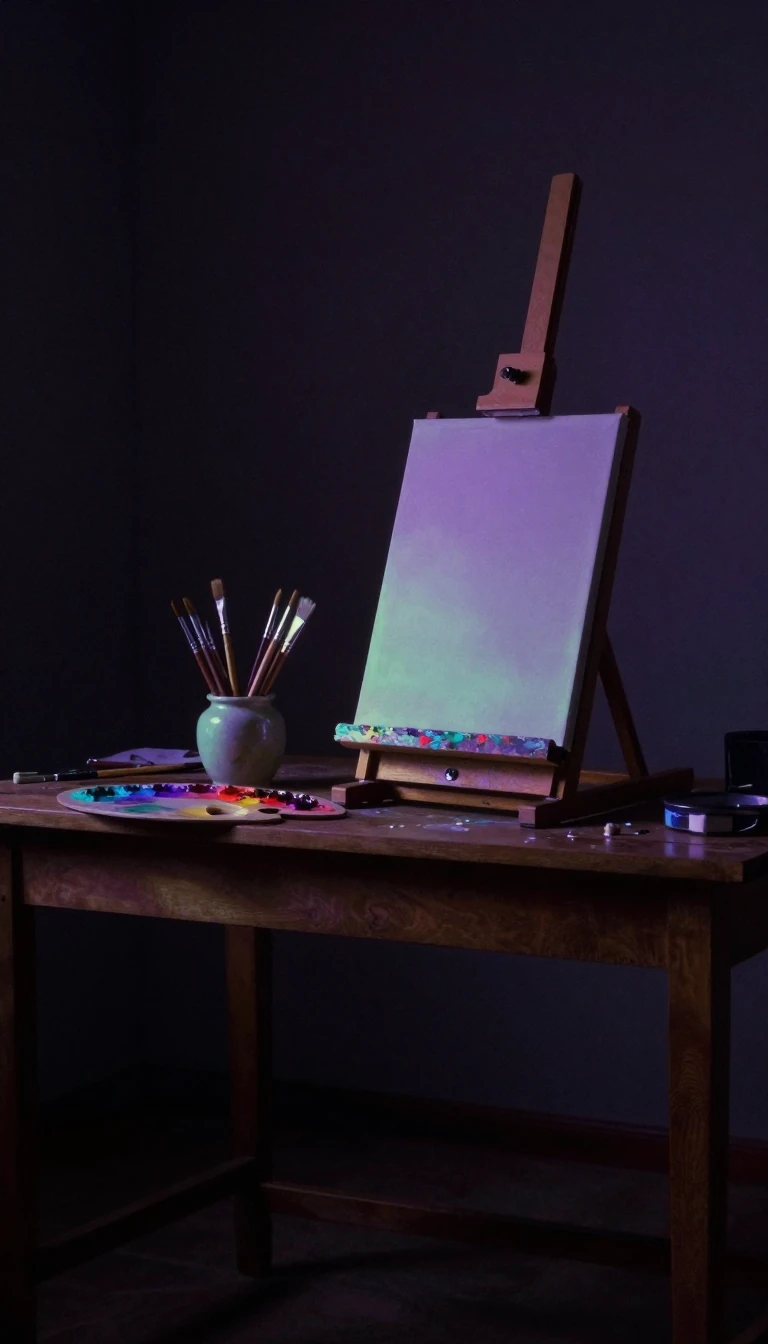
In short: Digital painting is more than just pixels on a screen; it is a sophisticated evolution of traditional illustration. Born from early graphical programs and specialized hardware, this medium has transformed industries from film to advertising, allowing artists to create intricate, high-quality works with unprecedented speed and creative flexibility.
The roots of digital painting trace back to 1963, when Ivan Sutherland created Sketchpad at MIT, allowing users to manipulate objects on a cathode-ray tube. This innovation paved the way for the RAND tablet in 1968, an early input device that eventually evolved into the modern graphics tablets favored by today's digital artists. By the mid-1970s and early 1980s, digitizers like the BitPad and ID became commercially successful, finding homes in high-end computer-aided design systems.
The 1980s marked a turning point for personal creativity with the arrival of MacPaint in 1984, which debuted on the Apple Lisa and later flourished on the Macintosh. This was followed by the release of Adobe Illustrator in 1986 and Photoshop in 1991, tools that remain industry standards. Illustrator introduced Bezier curves for precise vector work, while Photoshop evolved from a simple monochrome display program into a powerhouse for image editing. Other specialized software soon followed, including Corel Painter in 1991 and the open-source editor Krita, which pivoted toward digital painting in 2009.
Today, digital painting is an essential pillar of professional creative production. In film, it enables the creation of matte paintings and concept art that would be impossible to capture on camera. Video game developers rely on these tools to build visual blueprints for characters and environments, while publishers use them to produce detailed book covers, such as the first digitally painted cover for the novel Neuromancer. Even advertising has embraced the medium, with brands like Coca-Cola utilizing digital art to engage consumers through interactive content. Whether through standalone software or browser-based tools enabled by HTML5, the medium continues to bridge the gap between traditional artistic techniques and the limitless possibilities of the digital age.
Opens the Intellect+ feed with this card first. Swipe up for the next one.
Sources
- Summary by Intellect · source: Digital painting
To cite this card, link to https://intellectplus.co.uk/app/art-digital-painting.
How we source, check and correct cards: Editorial standards.
General information, not professional advice. Spotted an error? Flag the card or see corrections and complaints.
Intellect Plus is a visual educational discovery platform for exploring fascinating facts and ideas. Brain Food, Not Brain Rot. What is Intellect Plus?
Related
More in Visual arts · More in Art · Latest · A–Z · All topics
