Was the early modern era a golden age or a time of general crisis?
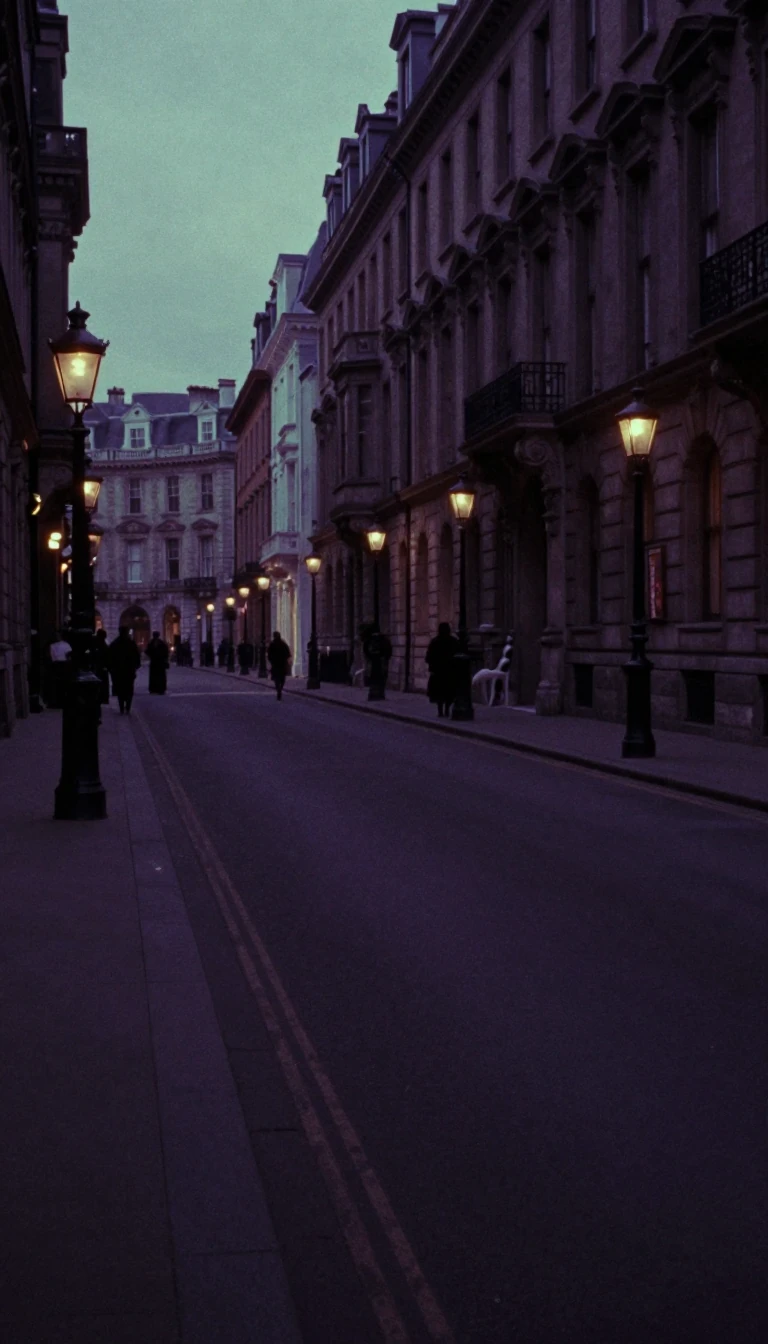
In short: Spanning from 1500 to 1780, the early modern period was a transformative epoch of global integration and economic expansion. Yet, this era of Renaissance and Reformation was far from stable. Beneath the surface of rising capitalism and new intellectual horizons lay deep social fractures, religious intolerance, and recurring financial ruin.
The early modern period represents a complex transition between the medieval world and the dawn of the Industrial Revolution. By 1500, Europe began to recover from centuries of stagnation, with population growth and intensifying commerce fueling a new economic system. Merchants and bankers accumulated capital on an unprecedented scale, marking the maturation of Western capitalism. This expansion was bolstered by geographic discoveries that integrated Europe into a global network, introducing new commodities that enriched material life.
However, this prosperity was neither uniform nor secure. The era was plagued by instability, most notably for the Spanish crown, which faced a series of catastrophic financial collapses across the 16th and 17th centuries. While capitalism advanced in the West, central and eastern Europe saw the rise of serfdom, and the mid-to-late 17th century eventually descended into a general crisis. These economic pressures were compounded by a rigid political climate where centralized states demanded cultural conformity, often resulting in the expulsion of Jewish populations and the persecution of religious dissenters.
Culturally, the period was defined by a tension between the revival of ancient learning and widespread, often hysterical, fears of witchcraft. Historians note that this era fundamentally altered how individuals viewed themselves, shifting from medieval identities rooted in religious or feudal allegiance toward a sense of belonging to a national polity. As the influence of the Catholic Church waned, secularized politics and modern science began to take root, setting the stage for the Enlightenment and the eventual emergence of the great powers that would dominate European politics into the 20th century.
Opens the Intellect+ feed with this card first. Swipe up for the next one.
Sources
- Summary by Intellect · source: History of Europe - Renaissance, Reformation, Wars | Britannica
- Also: Early modern Europe: an introduction
- Also: Early modern Europe
To cite this card, link to https://intellectplus.co.uk/app/art-early-modern-europe.
How we source, check and correct cards: Editorial standards.
General information, not professional advice. Spotted an error? Flag the card or see corrections and complaints.
Intellect Plus is a visual educational discovery platform for exploring fascinating facts and ideas. Brain Food, Not Brain Rot. What is Intellect Plus?
Related
More in Visual artists · More in Art · Latest · A–Z · All topics
