The invisible collapse of the world's second-largest economy
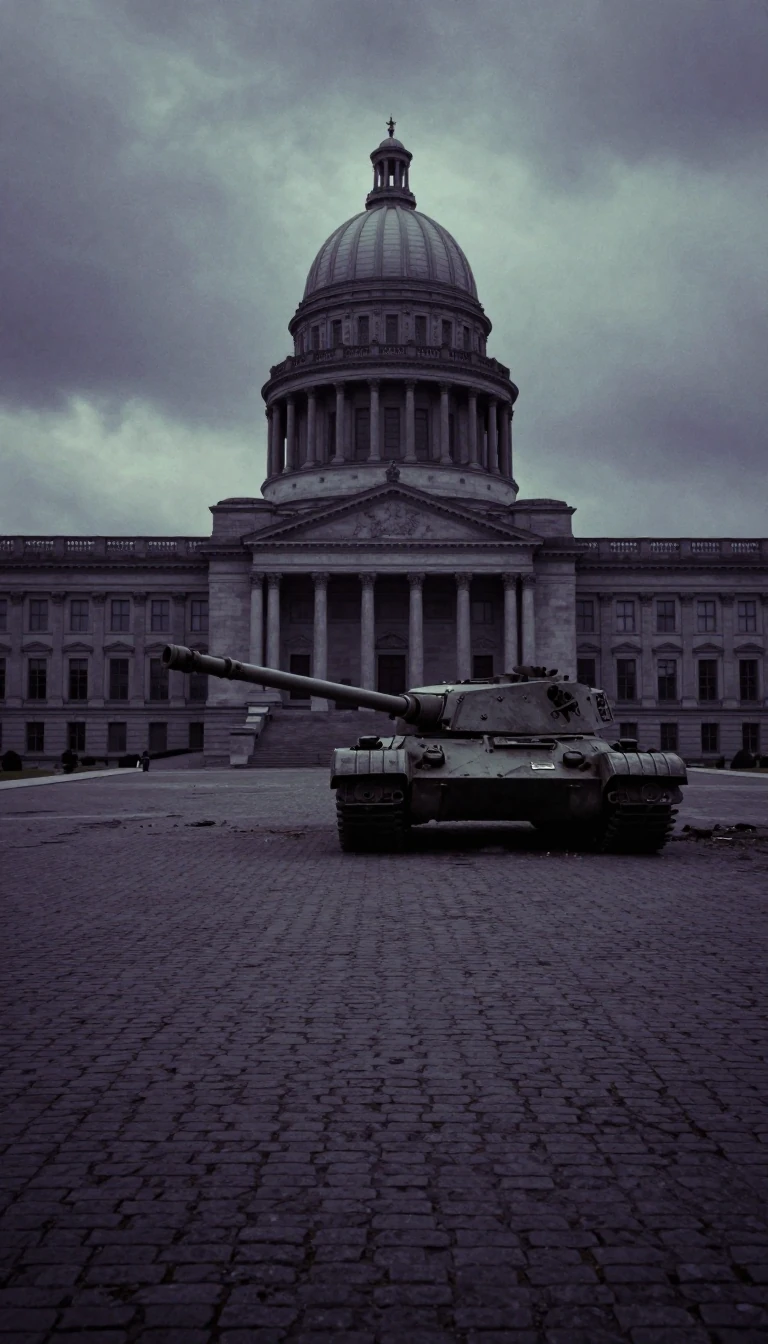
In short: For decades, the Soviet Union stood as a global industrial titan, outpacing Western Europe in per capita growth. Yet, beneath the surface of five-year plans, a systemic failure was brewing. By the late 1980s, the machinery of central planning was not just stalling—it was disintegrating.
From 1928 through the mid-1980s, the Soviet Union maintained the world's second-largest economy. Driven by a series of five-year plans, the nation transitioned from an agrarian society to a major industrial power, achieving per capita growth rates that exceeded those of the USA, Canada, and Western Europe. This era was characterized by state ownership, high job security, and a reliance on vast natural resources, particularly oil and gas, which became vital export commodities when global prices soared in the 1970s.
The decline began with the structural imbalances of the late Brezhnev era, as the exhaustion of raw materials and a flawed incentive system paralyzed productivity. During the Gorbachev era, the policy of perestroika intended to revitalize the system but instead accelerated a descent into crisis. By 1987, a growing budget deficit emerged, exacerbated by the 1988 Law on State Enterprises, which allowed managers to raise wages far beyond productivity gains. This led to a massive money supply surge; while the 1990 plan targeted 10 billion rubles in growth, the actual figure reached approximately 28 billion rubles.
By the late 1980s, the economy faced total fragmentation. Rising nationalism and regionalism split the union into dozens of mini-economies, with some republics pursuing economic autarky. Shortages became endemic; by mid-1990, over 1,000 basic consumer goods were rarely available, making queueing a national pastime that consumed an estimated 30 to 40 million woman-hours annually. The collapse was finalized by a combination of falling oil prices—a 'body blow' facilitated by Saudi Arabian market flooding—and a mounting hard currency debt that rose from $25.6 billion in 1984 to roughly $80 billion by 1991.
Opens the Intellect+ feed with this card first. Swipe up for the next one.
Sources
- Summary by Intellect · source: Soviet Union - Command Economy, Five-Year Plans, Collectivization | Britannica
- Also: Economy of the Soviet Union
To cite this card, link to https://intellectplus.co.uk/app/art-economy-of-the-soviet-union.
How we source, check and correct cards: Editorial standards.
General information, not professional advice. Spotted an error? Flag the card or see corrections and complaints.
Intellect Plus is a visual educational discovery platform for exploring fascinating facts and ideas. Brain Food, Not Brain Rot. What is Intellect Plus?
Related
More in Visual arts · More in Art · Latest · A–Z · All topics
