The foxtrot is a smooth, flowing dance that once dominated the global music charts.
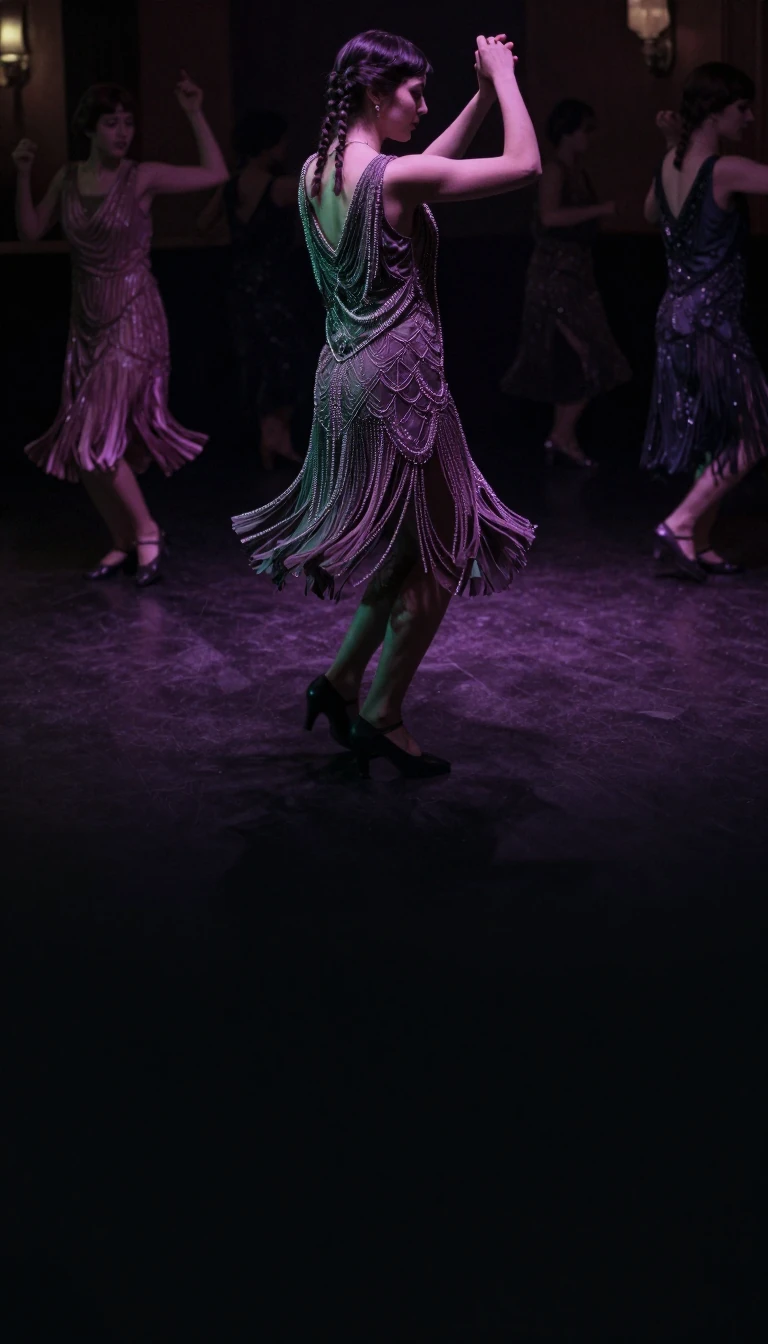
In short: Developed in the 1910s, the foxtrot became the most popular fast dance for decades. It was so pervasive that even early rock and roll hits were marketed as foxtrots to ensure their success. Today, this elegant ballroom staple remains a standard, though its technical execution varies significantly across different regions.
The foxtrot emerged in 1914, gaining immediate popularity through the influence of Vernon and Irene Castle. While its exact origins are debated, some credit the vaudevillian Harry Fox, while others, including Vernon Castle, attribute the dance to African American performers. Interestingly, the dance was originally dubbed the Bunny Hug, but the name was changed via a mid-ocean wireless transmission sent by the Castles.
The dance is defined by its smooth, continuous movement in a 4/4 time signature. Its evolution led to three distinct modern styles. The American Social style, often used by beginners, emphasizes closing the feet at the end of figures, making it ideal for crowded social settings. The American Continuity style, favored in theater and film, involves passing the feet to create rapid, fluid progression. Finally, the International style, popular in Europe, demands constant body contact between partners, creating a gliding aesthetic that is widely considered the most technically challenging to master.
The foxtrot's cultural footprint was immense. From the late 1910s through the 1940s, it was the dominant dance, with most records released during that era being foxtrots. Its adaptability was such that it could even be performed to the same music as the Lindy Hop. When rock and roll arrived in the 1950s, record labels were initially unsure how to categorize the new sound; Decca Records famously labeled Bill Haley's 'Rock Around the Clock' as a foxtrot. With over 25 million copies sold, that track stands as perhaps the best-selling foxtrot in history.
Today, the dance is strictly regulated in competitive spheres. Organizations like the Imperial Society of Teachers of Dancing define the syllabi for International style, while the National Dance Council of America oversees American style competitions. Across both, dancers progress through six levels of difficulty, ranging from the foundational Bronze level to the highly creative Championship level, where original choreography is encouraged.
Opens the Intellect+ feed with this card first. Swipe up for the next one.
Sources
- Summary by Intellect · source: Foxtrot
To cite this card, link to https://intellectplus.co.uk/app/art-foxtrot.
How we source, check and correct cards: Editorial standards.
General information, not professional advice. Spotted an error? Flag the card or see corrections and complaints.
Intellect Plus is a visual educational discovery platform for exploring fascinating facts and ideas. Brain Food, Not Brain Rot. What is Intellect Plus?
Related
More in Performing arts · More in Art · Latest · A–Z · All topics
