How a banned satirical poem turned an exiled poet into a German literary icon.
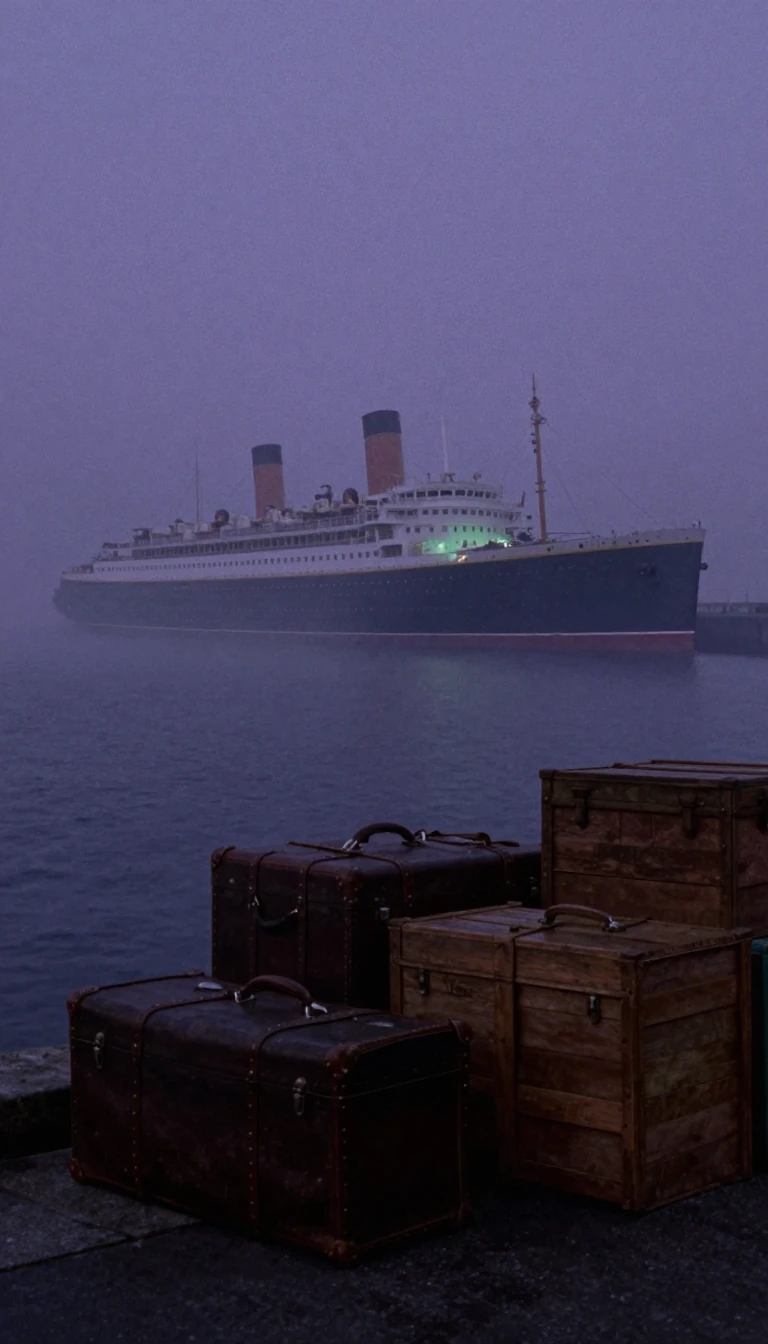
In short: Heinrich Heine’s 1844 epic, Germany, a Winter’s Tale, was a stinging critique of his homeland that triggered arrest warrants and widespread censorship. By transforming the melancholic winter journey into a weapon of political satire, Heine inadvertently fueled his own international fame while navigating the tragic reality of his permanent exile.
Published in 1844, Germany, a Winter’s Tale captures a fictionalized return to Germany by Heinrich Heine, who had been living in self-imposed exile in Paris since 1831. The work was a direct response to the reactionary political climate of the German Confederation. Heine, a master of irony, utilized the 'winter journey' motif—famously associated with Wilhelm Müller’s poems and Franz Schubert’s song cycles—to shift the focus from private, romantic longing to the harsh realities of the European political scene. While Müller’s work explored the exile of the human heart, Heine’s epic turned that same structure into a vehicle for biting social commentary.
The poem’s narrative follows the poet as he crosses the border into Germany, carrying a metaphorical nest of forbidden books. Throughout the journey, he mocks the rigidity of the Prussian military, the anachronistic obsession with unfinished medieval architecture like the Cologne Cathedral, and the hollow romanticization of the Rhine. Heine introduces a ghostly 'lictor'—a doppelganger carrying an executioner’s axe—to symbolize his own radical ideas, which he believed could never be truly silenced. This figure serves as a constant reminder that once an idea is conceived, it becomes an unstoppable force, regardless of state attempts to suppress it.
The reaction from the authorities was swift and severe. In 1844, the poem was banned in Prussia, and King Frederick William IV issued an arrest warrant for the author. Ironically, these repressive measures only accelerated Heine’s growing reputation. By exploiting loopholes in censorship regulations—such as publishing the work within a larger volume to bypass scrutiny—Heine ensured his critique reached the public. His work remains a testament to the tension between artistic sensibility and political reality, proving that even in exile, a poet’s voice can remain a potent, weaponized presence in the cultural landscape of his homeland.
Opens the Intellect+ feed with this card first. Swipe up for the next one.
Sources
- Summary by Intellect · source: Germany, a Winter’s Tale | satire by Heine | Britannica
- Also: Germany. A Winter's Tale
To cite this card, link to https://intellectplus.co.uk/app/art-germany-a-winter-s-tale.
How we source, check and correct cards: Editorial standards.
General information, not professional advice. Spotted an error? Flag the card or see corrections and complaints.
Intellect Plus is a visual educational discovery platform for exploring fascinating facts and ideas. Brain Food, Not Brain Rot. What is Intellect Plus?
Related
More in Literature · More in Art · Latest · A–Z · All topics
