How a single ancient text shaped the mind of an entire civilization for centuries
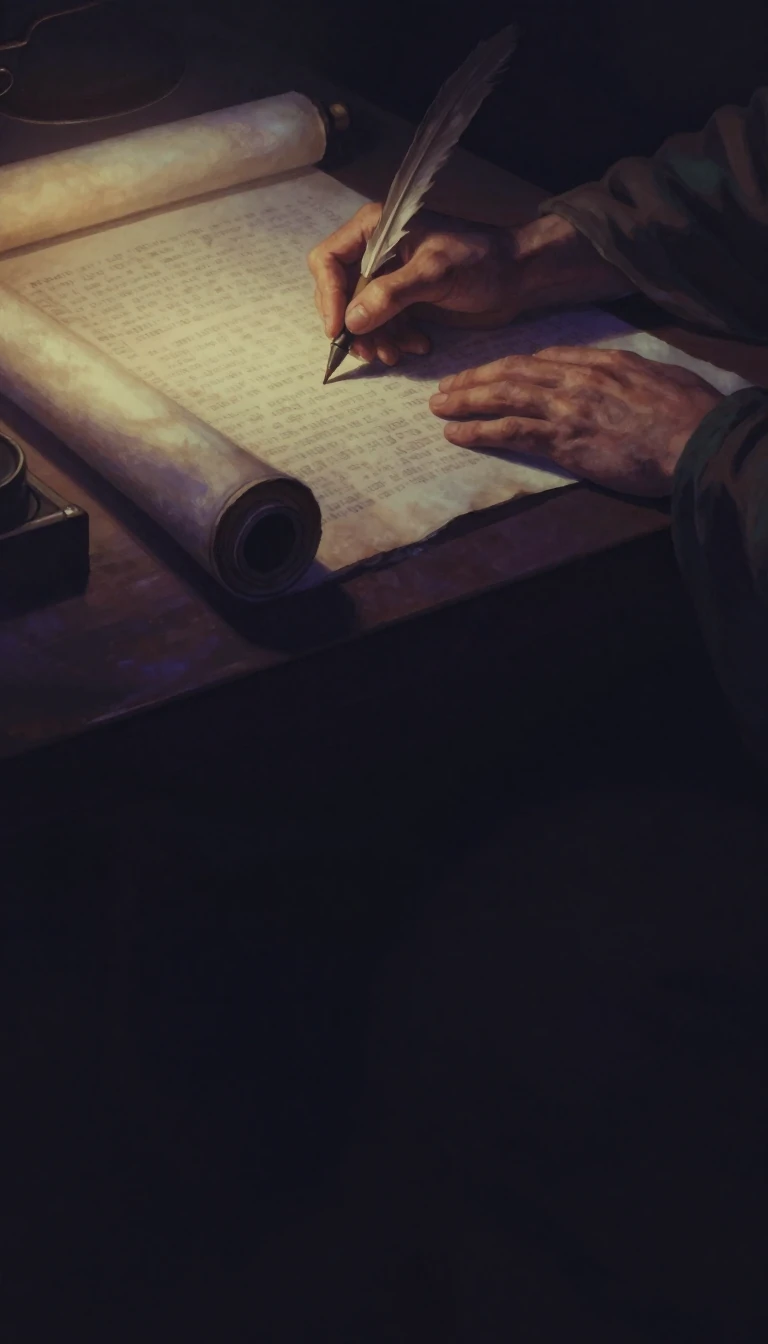
In short: The Great Learning, a foundational pillar of Confucian thought, argues that global peace begins with personal moral refinement. By linking the individual to the state through a rigorous system of self-cultivation, this short text transformed Chinese education, politics, and social hierarchy for nearly a millennium. Discover the philosophy behind the influence.
Originally a chapter within the Book of Rites, the Great Learning was elevated to a standalone masterpiece by the Neo-Confucian scholar Zhu Xi during the Southern Song Dynasty. In late 1190, Zhu Xi released a collection featuring this text alongside the Doctrine of the Mean, the Analects, and the Mencius. He believed these works were more accessible than the older, sprawling Classics, making them the ideal curriculum for a broader audience. This decision fundamentally altered the Chinese imperial examination system, which adopted these books as the primary basis for testing aspiring officials.
The text outlines a logical progression of moral development: one must first investigate things to expand knowledge, which allows for the cultivation of the self. Once the individual is refined, they can bring order to their family, which in turn enables them to govern the state and eventually lead the world toward peace. This framework emphasizes that learning is an active, lifelong pursuit. It rejects the idea that failure is a product of innate inability, asserting instead that success is entirely dependent on an individual's effort and dedication to self-improvement.
Despite its historical success, the text has faced significant scrutiny. Critics like Wang Yangming argued that the focus on scholarly investigation distracted from necessary action, leading him to reject Zhu Xi’s editorial changes. Nevertheless, the Great Learning remains deeply embedded in modern Chinese culture. Concepts like the investigation of things and the necessity of hard work continue to shape educational values, fostering a culture that prioritizes collaborative learning, respect for educators, and the belief that every person is capable of achieving excellence through disciplined study.
The text’s influence extends far beyond China, having left a lasting mark on the intellectual traditions of Japan, Korea, and Vietnam. By defining the Way in social and governmental terms, it bridges the gap between the spiritual and the mundane, presenting a philosophy that is distinctly this-worldly. It remains a testament to the power of a single, concise work to provide a blueprint for both personal character and the stability of the state.
Opens the Intellect+ feed with this card first. Swipe up for the next one.
Sources
- Summary by Intellect · source: Great Learning
To cite this card, link to https://intellectplus.co.uk/app/art-great-learning.
How we source, check and correct cards: Editorial standards.
General information, not professional advice. Spotted an error? Flag the card or see corrections and complaints.
Intellect Plus is a visual educational discovery platform for exploring fascinating facts and ideas. Brain Food, Not Brain Rot. What is Intellect Plus?
Related
More in Literature · More in Art · Latest · A–Z · All topics
