How a provincial dyer’s son became the master of Japanese ink painting
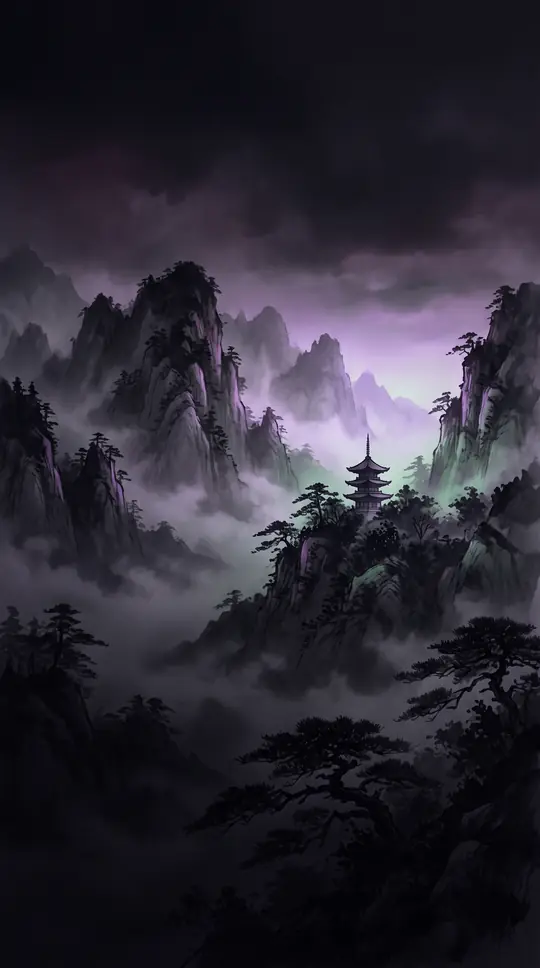
In short: Hasegawa Tōhaku rose from humble origins to define the aesthetic of the Azuchi–Momoyama period. By blending the bold, gold-leaf grandeur of the Kanō school with the minimalist, spiritual depth of ancient ink masters, he created a unique visual language that challenged the ostentatious displays of his most powerful contemporaries.
Born in 1539 in the town of Nanao, Tōhaku began his career as a painter of Buddhist imagery. His early life was rooted in a family of cloth dyers, but his ambition eventually drew him to Kyoto. There, he immersed himself in the prestigious Kanō school, learning to create the massive, gold-leaf wall panels that adorned the castles of warlords. These works were designed to project immense wealth and reflect light into dim interiors, serving as both art and a statement of political dominance.
Despite his success within the Kanō tradition, Tōhaku sought a different path. He became deeply influenced by the ink-wash techniques of earlier eras, particularly the work of Sesshū Tōyō. Tōhaku was so committed to this lineage that he attempted to legally claim status as Sesshū’s fifth successor, though he ultimately lost that court battle. This redirection toward minimalism—often attributed to the influence of his friend, the tea master Sen no Rikyū—led to his most celebrated works, such as the Pine Trees screen. This masterpiece is considered the first of its scale to focus exclusively on pine trees, stripping away the decorative excess of his peers.
Tōhaku’s career reached its zenith after the death of his rival, Kanō Eitoku, in 1590. He became the official painter for Toyotomi Hideyoshi, producing elegant works for temples like Chishaku-in. His influence lived on through the small, family-run Hasegawa school, which maintained his reserved aesthetic. In his final years, at age 67, he was summoned to Edo by the shōgun Tokugawa Ieyasu and honored with a high-ranking priestly title, marking the end of a life that bridged the gap between provincial beginnings and the highest echelons of Japanese power.
Opens the Intellect+ feed with this card first. Swipe up for the next one.
Sources
- Summary by Intellect · source: Hasegawa Tōhaku
To cite this card, link to https://intellectplus.co.uk/app/art-hasegawa-t-haku.
How we source, check and correct cards: Editorial standards.
General information, not professional advice. Spotted an error? Flag the card or see corrections and complaints.
Intellect Plus is a visual educational discovery platform for exploring fascinating facts and ideas. Brain Food, Not Brain Rot. What is Intellect Plus?
Related
More in Visual artists · More in Art · Latest · A–Z · All topics
