How a terrifying peyote vision and a jazz-inspired rhythm birthed a literary masterpiece.
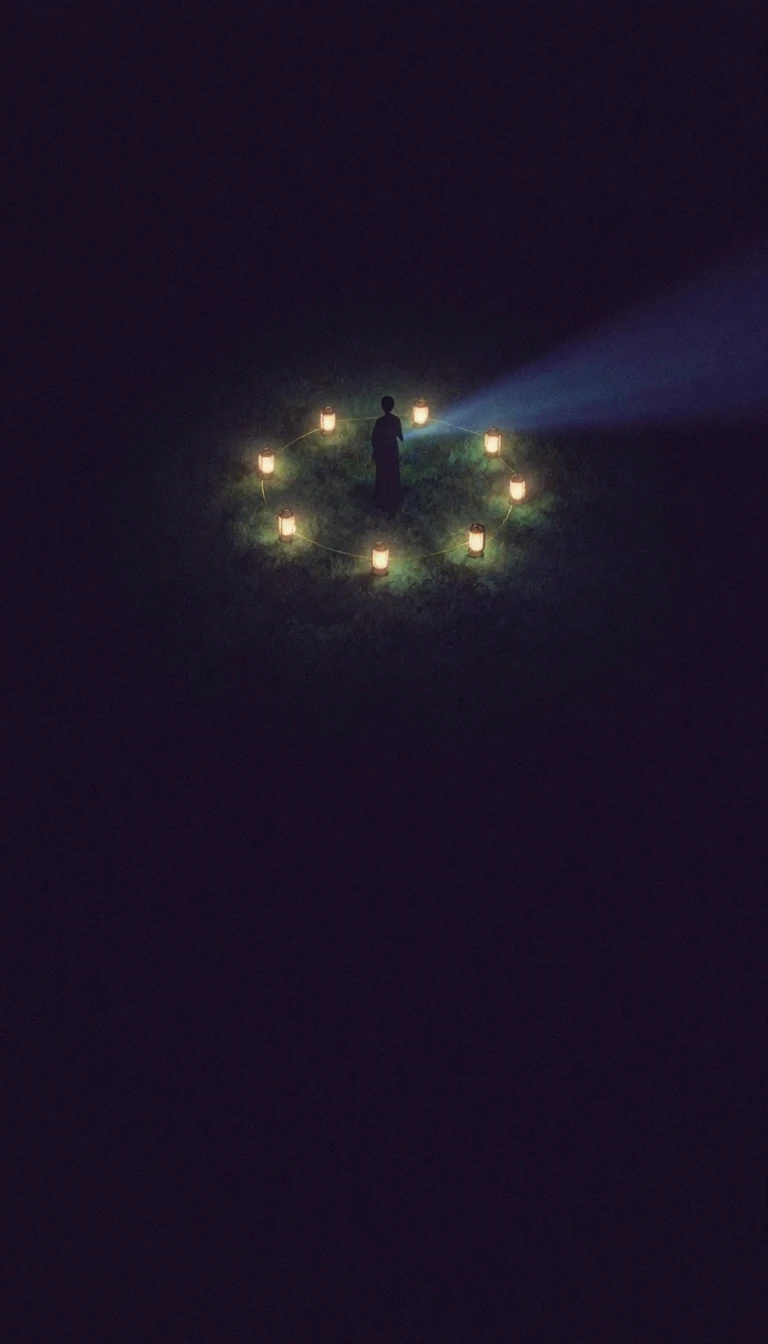
In short: Allen Ginsberg’s Howl, a defining work of the Beat Generation, was born from a nightmarish hallucination and a radical shift in poetic form. Initially dismissed by academics and targeted by obscenity laws, the poem’s raw, breath-based structure transformed it into an enduring symbol of countercultural expression and artistic defiance.
In the autumn of 1954, Allen Ginsberg began drafting what would become Howl, a poem that emerged from a period of intense personal evolution. Encouraged by his therapist to pursue poetry full-time, Ginsberg experimented with a technique called parataxis before adopting a unique, long-line style. He drew inspiration from the spontaneity of Jack Kerouac and the imagist traditions of William Carlos Williams, eventually developing a rhythm he likened to jazz musicians blowing extended choruses. The poem’s structure, organized by the physical limits of a single breath, allowed for a tumbling, hallucinatory intensity that broke away from stilted academic conventions.
The work is divided into three distinct parts and a footnote. Part I serves as a lament for the outcasts of the era, using the repetitive base word 'who' to anchor its narrative. Part II, inspired by a vision of a hotel façade as a monstrous, child-eating demon, critiques industrial civilization through the figure of Moloch. Part III acts as a compassionate affirmation addressed to Carl Solomon, a friend Ginsberg met in a psychiatric hospital. The final 'Footnote' provides an ecstatic, repetitive mantra that asserts the holiness of all things, completing a work that Ginsberg initially titled 'Strophes'.
The poem’s public debut at San Francisco’s Six Gallery in October 1955 marked the birth of the San Francisco Poetry Renaissance. However, its frank discussion of sexuality and drug use led to a landmark 1957 obscenity trial. Publisher Lawrence Ferlinghetti and manager Shigeyoshi Murao were arrested for disseminating the work, but Judge Clayton W. Horn ultimately ruled the poem possessed 'redeeming social importance.' This legal victory cemented Howl's status as a protected work of literature, helping it transition from a controversial underground text to a cornerstone of twentieth-century American letters.
Opens the Intellect+ feed with this card first. Swipe up for the next one.
Sources
- Summary by Intellect · source: Howl (poem)
To cite this card, link to https://intellectplus.co.uk/app/art-howl-poem.
How we source, check and correct cards: Editorial standards.
General information, not professional advice. Spotted an error? Flag the card or see corrections and complaints.
Intellect Plus is a visual educational discovery platform for exploring fascinating facts and ideas. Brain Food, Not Brain Rot. What is Intellect Plus?
Related
More in Literature · More in Art · Latest · A–Z · All topics
