Why Ireland’s oldest literature was written in the margins of illuminated manuscripts
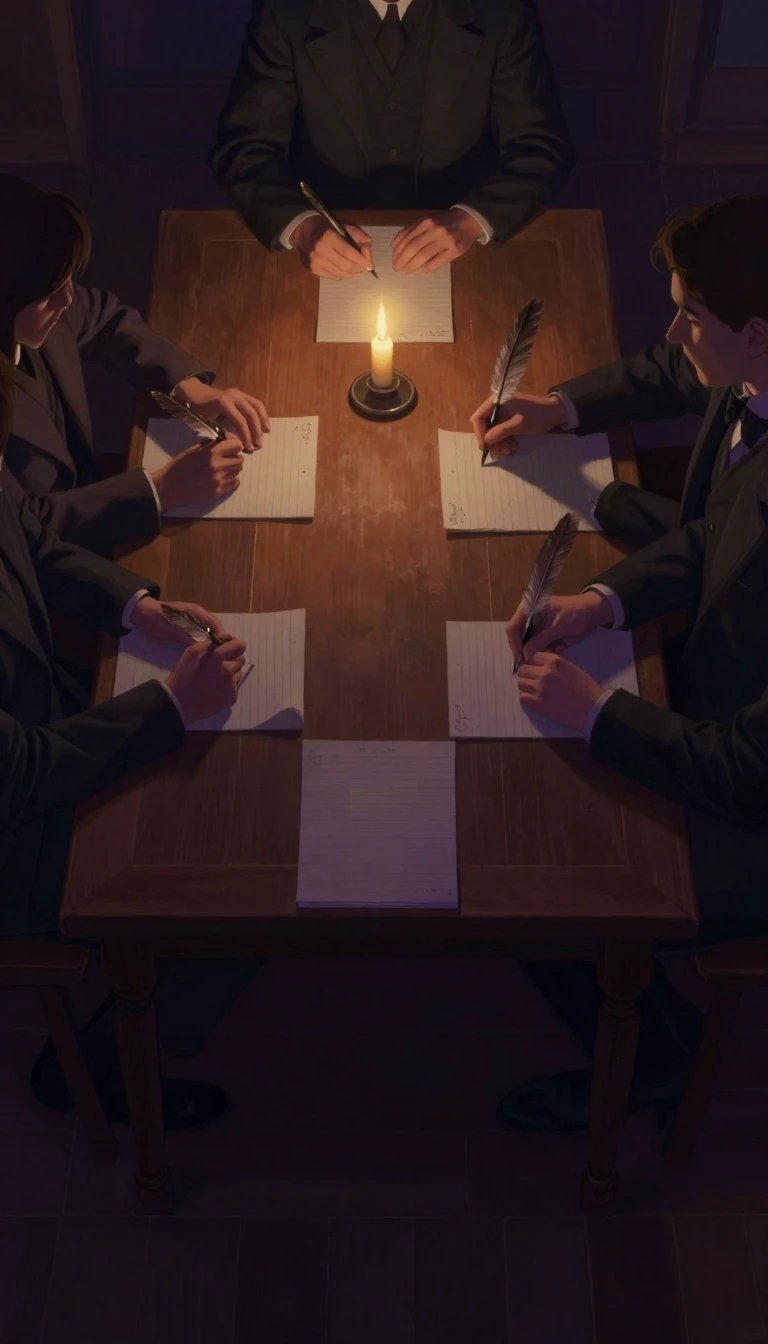
In short: Irish literature spans over 1,400 years, evolving from ancient monastic scribbles to a global powerhouse of English-language modernism. While the world celebrates its famous novelists, the true story of this tradition lies in its complex, multilingual roots—where poetry was once a magical act and manuscripts were the primary currency of culture.
The written history of Ireland began in the 7th century, when monks produced religious texts, poetry, and mythological sagas. Early Irish literature is unique among European epics for its use of prosimetrum, a style blending prose with verse to express heightened emotion. These works, often categorized by modern scholars into four cycles—Mythological, Ulster, Fenian, and Historical—contain recurring characters and locations, though the tales themselves were originally organized by genres like cattle raids, voyages, and death-tales.
For centuries, the literary class was a professional, hierarchical group trained in bardic schools, where they served the aristocracy as historians and lawyers. These poets were considered to possess ancient magical powers, and their work was conventional, often praising patrons. However, this changed in the 17th century as English control tightened and the traditional aristocracy was suppressed. The loss of patronage forced literature to shift toward popular forms, while the manuscript remained the primary, affordable medium for disseminating both devotional and secular works well into the 19th century.
The 19th and 20th centuries marked a dramatic transition as English became the dominant literary language. This era produced giants like James Joyce, W.B. Yeats, and Samuel Beckett, who defined the modernist movement. Yet, Irish-language literature remained vital, with writers like Máirtín Ó Cadhain and Flann O'Brien pushing boundaries into postmodernism. Today, the tradition continues to evolve, with contemporary writers like Sally Rooney and Anna Burns gaining international acclaim, proving that the island's literary output remains as diverse and influential as it was in the days of the early monastic scribes.
Opens the Intellect+ feed with this card first. Swipe up for the next one.
Sources
- Summary by Intellect · source: Irish literature
To cite this card, link to https://intellectplus.co.uk/app/art-irish-literature.
How we source, check and correct cards: Editorial standards.
General information, not professional advice. Spotted an error? Flag the card or see corrections and complaints.
Intellect Plus is a visual educational discovery platform for exploring fascinating facts and ideas. Brain Food, Not Brain Rot. What is Intellect Plus?
Related
More in UK & Ireland: arts · More in Art · Latest · A–Z · All topics
