Why Russia’s most beloved landscape painter was known as the tsar of the woods.
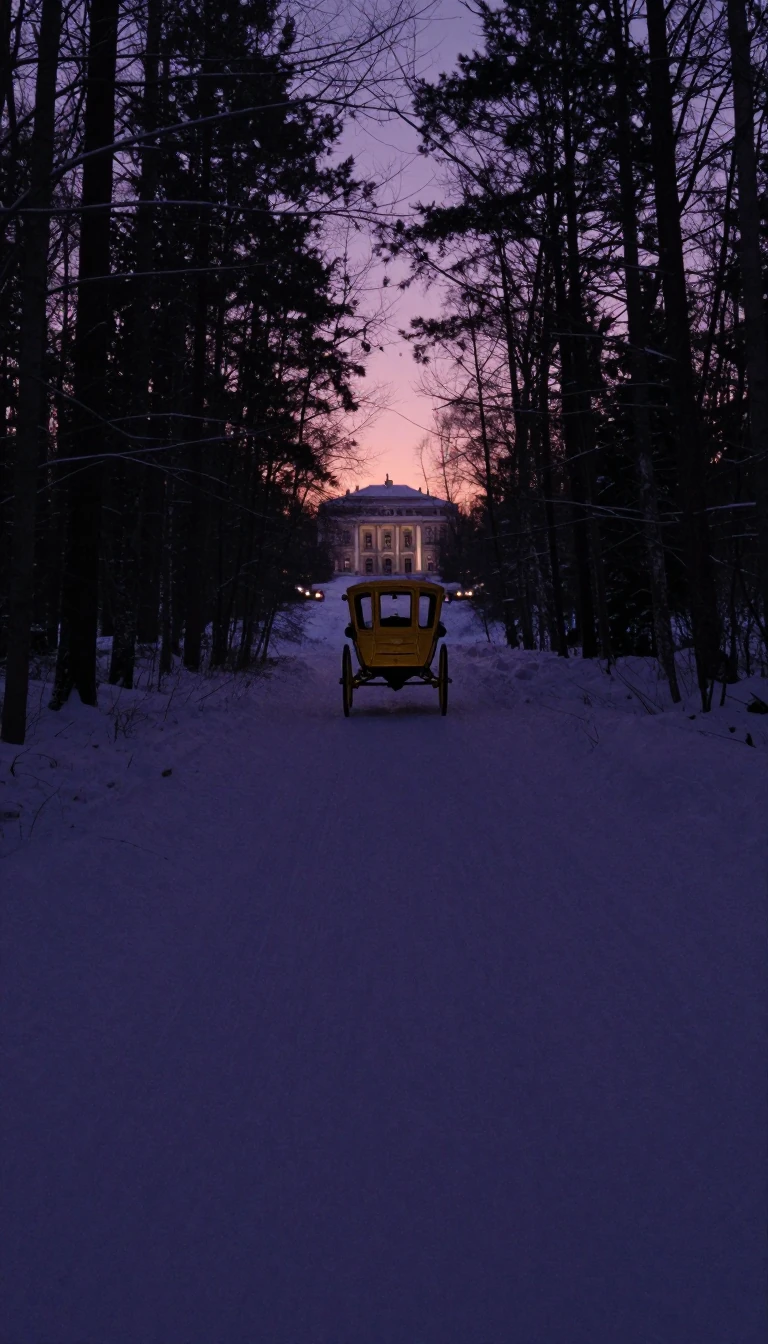
In short: Ivan Shishkin transformed the Russian forest into a national icon. By rejecting impressionistic trends in favor of obsessive, near-microscopic detail, he captured the steadfastness of the wilderness. His work became so deeply woven into the fabric of Russian life that his paintings eventually adorned everything from textbooks to candy wrappers.
Born in 1832 in Yelabuga, Ivan Ivanovich Shishkin was the son of a grain merchant. His artistic path was defined by a rigorous, thorough education, beginning at the Moscow School of Painting, Sculpture, and Architecture and culminating at the St. Petersburg Academy of Arts. In 1860, he earned the Academy’s Gold Medal, which funded a transformative period of travel across Germany, Switzerland, and the Czech Republic. It was in Düsseldorf that Shishkin refined his signature style: a commitment to the exact, linear reproduction of nature that would define his career.
Upon returning to Russia, Shishkin joined the Peredvizhniki, or 'The Wanderers,' a collective that championed a distinctly Russian epic style. Unlike the contemporary plein air painters who favored fleeting light and atmosphere, Shishkin sought to depict the 'abiding monumental order' of the landscape. He focused on pristine pine and oak forests, treating every blade of grass with such precision that his canvases became a quantitative apotheosis of detail. This approach created a paradox: while the individual elements were rendered with scientific accuracy, the final composition projected a sense of majestic, epic scale.
Shishkin’s work was more than mere nature study; it was an incarnation of the 'Russian spirit.' By avoiding airy perspectives that might soften the image, he ensured his trees maintained their structural integrity regardless of distance, reinforcing an image of national steadfastness. Even when he experimented with atmospheric effects in later works like the 1889 'Morning in a Pine Forest,' the air itself retained a sense of solidity. By the time of his death in 1898, Shishkin had successfully elevated the Russian landscape into a symbol of historical and national power, cementing his legacy as the definitive painter of the country’s wild, unchanging heart.
Opens the Intellect+ feed with this card first. Swipe up for the next one.
Sources
- Summary by Intellect · source: Ivan Ivanovich Shishkin | Russian Landscape Painter & Naturalist | Britannica
- Also: Ivan Shishkin
To cite this card, link to https://intellectplus.co.uk/app/art-ivan-shishkin.
How we source, check and correct cards: Editorial standards.
General information, not professional advice. Spotted an error? Flag the card or see corrections and complaints.
Intellect Plus is a visual educational discovery platform for exploring fascinating facts and ideas. Brain Food, Not Brain Rot. What is Intellect Plus?
Related
More in Visual artists · More in Art · Latest · A–Z · All topics
