How Judy Chicago Reclaimed Her Identity by Shedding Names Imposed by Male Dominance
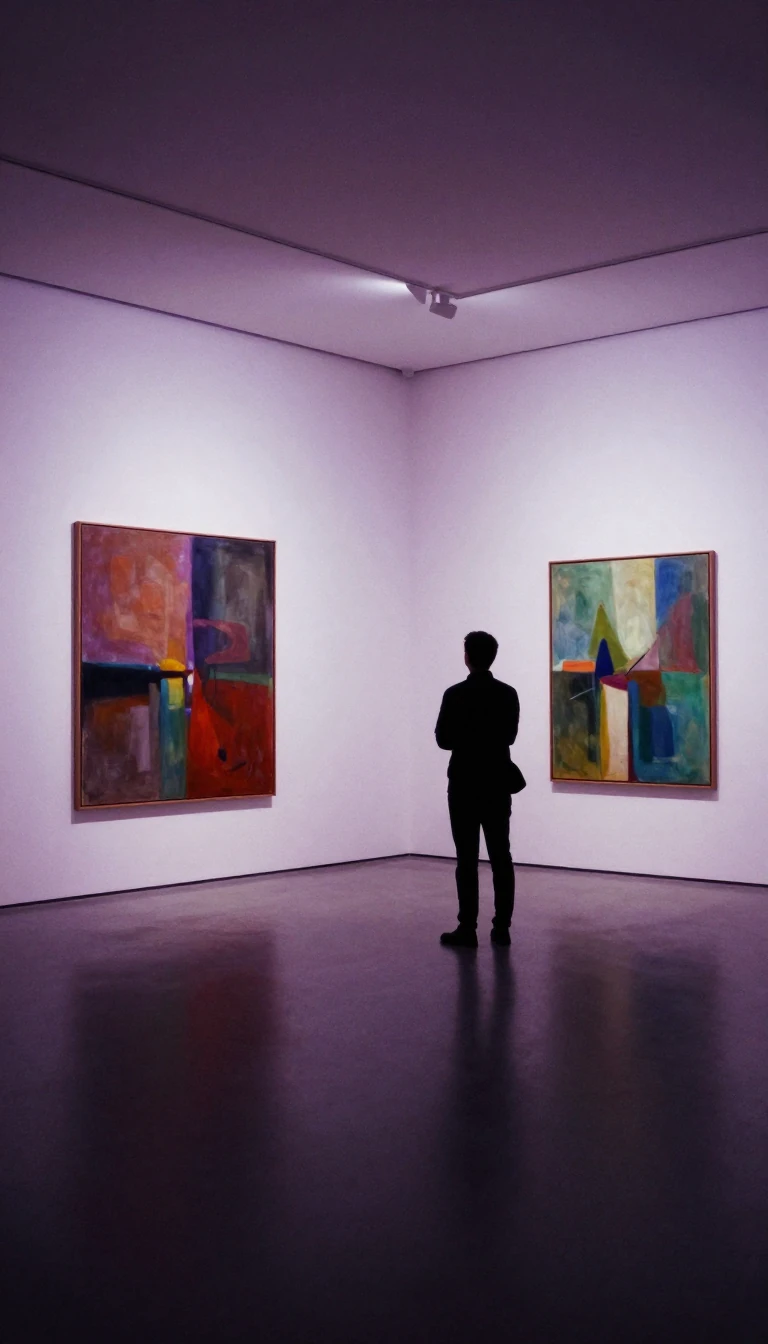
In short: Born Judith Sylvia Cohen, the artist Judy Chicago famously rejected the surnames of her father and husbands to escape patriarchal labels. By rebranding herself through a gallery owner's nickname, she transformed her identity, eventually pioneering feminist art education and creating massive, collaborative installations that challenged the traditional male-dominated art world.
Born in 1939, Judy Chicago grew up in a household shaped by her father’s Marxist activism and her mother’s love for the arts. After her father’s death in 1953 and the tragic loss of her first husband, Jerry Gerowitz, in 1963, Chicago struggled with her artistic and personal identity. She initially attempted to fit into the minimalist, male-dominated art scene of the 1960s, but soon pivoted toward exploring female sexuality and experience. This shift was marked by her 1970 public declaration to divest herself of names tied to male social dominance, legally adopting the name of her hometown to assert her independence.
In 1970, Chicago established the inaugural feminist art curriculum in the United States at Fresno State College. She moved classes off-campus to foster an environment free from male expectations, encouraging students to draw from their own lives. This pedagogical approach expanded to the California Institute of the Arts, where she and Miriam Schapiro launched the influential 'Womanhouse' project in 1972. These initiatives aimed to restructure the personalities of female artists, helping them overcome societal barriers and recognize their own potential as creators.
Chicago’s most iconic work, 'The Dinner Party,' took five years and roughly $250,000 to complete. Featuring 39 place settings for historical and mythical women, the installation utilized traditional needlework and ceramic skills, often dismissed as 'craft.' While critics like Hilton Kramer famously disparaged the piece as a libel on the female imagination, it captivated the public, reaching over a million people. Her later work, including the 'Birth Project' and 'The Holocaust Project,' continued this trajectory of large-scale, collaborative storytelling, using art to confront themes of power, vulnerability, and the erasure of women from historical narratives.
Opens the Intellect+ feed with this card first. Swipe up for the next one.
Sources
- Summary by Intellect · source: Judy Chicago
To cite this card, link to https://intellectplus.co.uk/app/art-judy-chicago.
How we source, check and correct cards: Editorial standards.
General information, not professional advice. Spotted an error? Flag the card or see corrections and complaints.
Intellect Plus is a visual educational discovery platform for exploring fascinating facts and ideas. Brain Food, Not Brain Rot. What is Intellect Plus?
Related
More in Visual artists · More in Art · Latest · A–Z · All topics
