How Kenzō Tange bridged the divide between Japanese tradition and global modernism
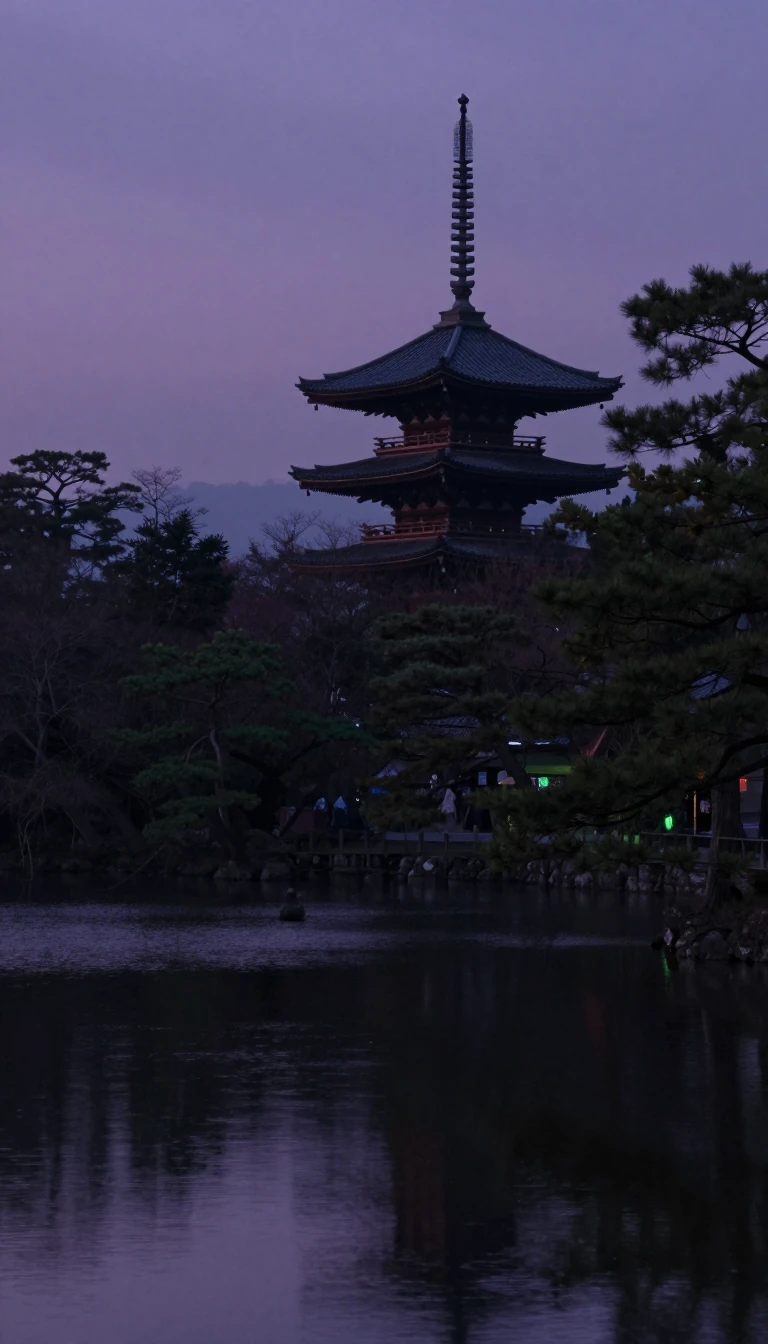
In short: Kenzō Tange was the architect who defined Japan’s postwar identity. By synthesizing ancient structural aesthetics with bold, modern engineering, he transformed the ruins of Hiroshima into a symbol of peace and later reshaped skylines across five continents, leaving a legacy that bridged the gap between the past and the future.
Born in 1913, Kenzō Tange emerged as a central figure in Japanese architecture during the reconstruction following World War II. His early career was marked by a profound engagement with urban planning, most notably in Hiroshima, where he designed the Peace Memorial Park, centre, and museum. These projects established his reputation for blending modern structural forms with traditional Japanese sensibilities, a theme that would persist throughout his prolific career.
Tange’s stylistic evolution was dramatic. While his early works relied on conventional rectangular steel frames, the 1960s saw him embrace reinforced concrete and innovative engineering. His designs for the 1964 Tokyo Olympic Games, particularly the National Gymnasiums, showcased sweeping, asymmetrical roofs that masterfully integrated traditional techniques. Simultaneously, he designed St. Mary’s Cathedral, a bold, soaring cruciform structure. His influence extended globally, with major commissions spanning five continents, including projects in Singapore, Algeria, and Saudi Arabia.
Beyond his buildings, Tange was a significant educator and theorist. As a professor at the University of Tokyo, he mentored a generation of architects who would go on to shape the Metabolist movement. His intellectual contributions were documented in influential books like A Plan for Tokyo and his studies on the Ise and Katsura prototypes. By the time he received the Pritzker Architecture Prize in 1987 and the Praemium Imperiale in 1993, Tange had cemented his status as a master of functional, geometric complexity, continuing to design major structures like the Tokyo Dome Hotel well into the early 21st century.
While his postwar work is celebrated, scholars also note the continuity between his early, nationalistic designs—such as his 1942 competition-winning memorial hall—and his later modernist output. Both periods reflect a persistent, ambitious drive to formulate a uniquely Japanese architectural language. Whether through his master plan for the 1970 Osaka Expo or his later skyscrapers, Tange remained a bridge between the rigid requirements of modern urbanism and the enduring spirit of Japanese tradition.
Opens the Intellect+ feed with this card first. Swipe up for the next one.
Sources
- Summary by Intellect · source: Tange Kenzō | Japanese Architect & Urban Planner | Britannica
- Also: Kenzō Tange
To cite this card, link to https://intellectplus.co.uk/app/art-kenz-tange.
How we source, check and correct cards: Editorial standards.
General information, not professional advice. Spotted an error? Flag the card or see corrections and complaints.
Intellect Plus is a visual educational discovery platform for exploring fascinating facts and ideas. Brain Food, Not Brain Rot. What is Intellect Plus?
Related
More in Visual artists · More in Art · Latest · A–Z · All topics
