Kinetic art turns static objects into living, breathing, and self-destructing mechanical performers
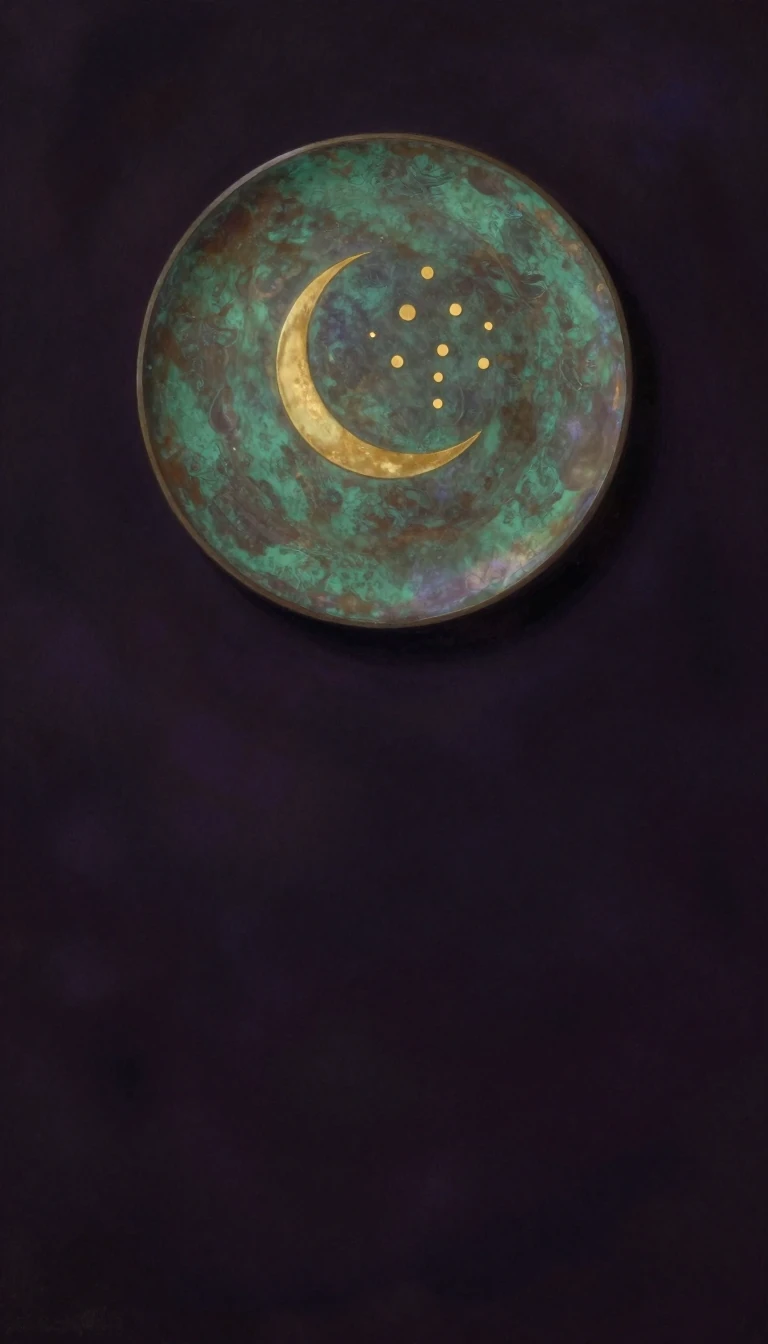
In short: Kinetic art is not just sculpture; it is a dynamic experience where movement is the medium. From motorized machines to wind-swept constructions, these works challenge the boundaries of traditional art, forcing us to reconsider how we perceive space, time, and the inevitable decay of our own creations.
Kinetic art encompasses works that incorporate real or apparent movement. While the term gained prominence in the 1950s, its roots trace back to the early 20th century. Pioneers like Marcel Duchamp, with his 1913 Bicycle Wheel, and Constructivists like Naum Gabo, who rejected static rhythms in his 1920 Kinetic Construction, laid the groundwork. These artists sought to move beyond the limitations of the canvas, using motors, air currents, and viewer interaction to animate their sculptures.
The movement reached a fever pitch in the 1950s and 1960s, marked by landmark exhibitions like 1955's Le Mouvement in Paris and the 1961 Bewogen Beweging show in Amsterdam. Artists such as Jean Tinguely pushed the concept to its extreme, creating complex machines that sometimes performed the act of self-destruction, such as his 1960 Homage to New York. Others, like the Groupe de Recherche d'Art Visuel, turned the spectator into a participant, making the viewer's own movement an essential component of the work's shifting appearance.
Today, kinetic art has evolved to include sophisticated digital and computer-controlled systems, such as the 1,216 droplets in Kinetic Rain at Singapore Changi Airport. However, this complexity brings unique challenges. Because these works rely on mechanical and electrical components that inevitably wear out, conservators face difficult ethical dilemmas: should they replace failing parts, replicate original mechanisms, or allow the work to retire and cease its motion forever? The art of movement is, by its very nature, a race against time.
Opens the Intellect+ feed with this card first. Swipe up for the next one.
Sources
- Summary by Intellect · source: Kinetic art
To cite this card, link to https://intellectplus.co.uk/app/art-kinetic-art.
How we source, check and correct cards: Editorial standards.
General information, not professional advice. Spotted an error? Flag the card or see corrections and complaints.
Intellect Plus is a visual educational discovery platform for exploring fascinating facts and ideas. Brain Food, Not Brain Rot. What is Intellect Plus?
Related
More in Visual arts · More in Art · Latest · A–Z · All topics
