How a royal portraitist survived the French Revolution by fleeing in a stagecoach
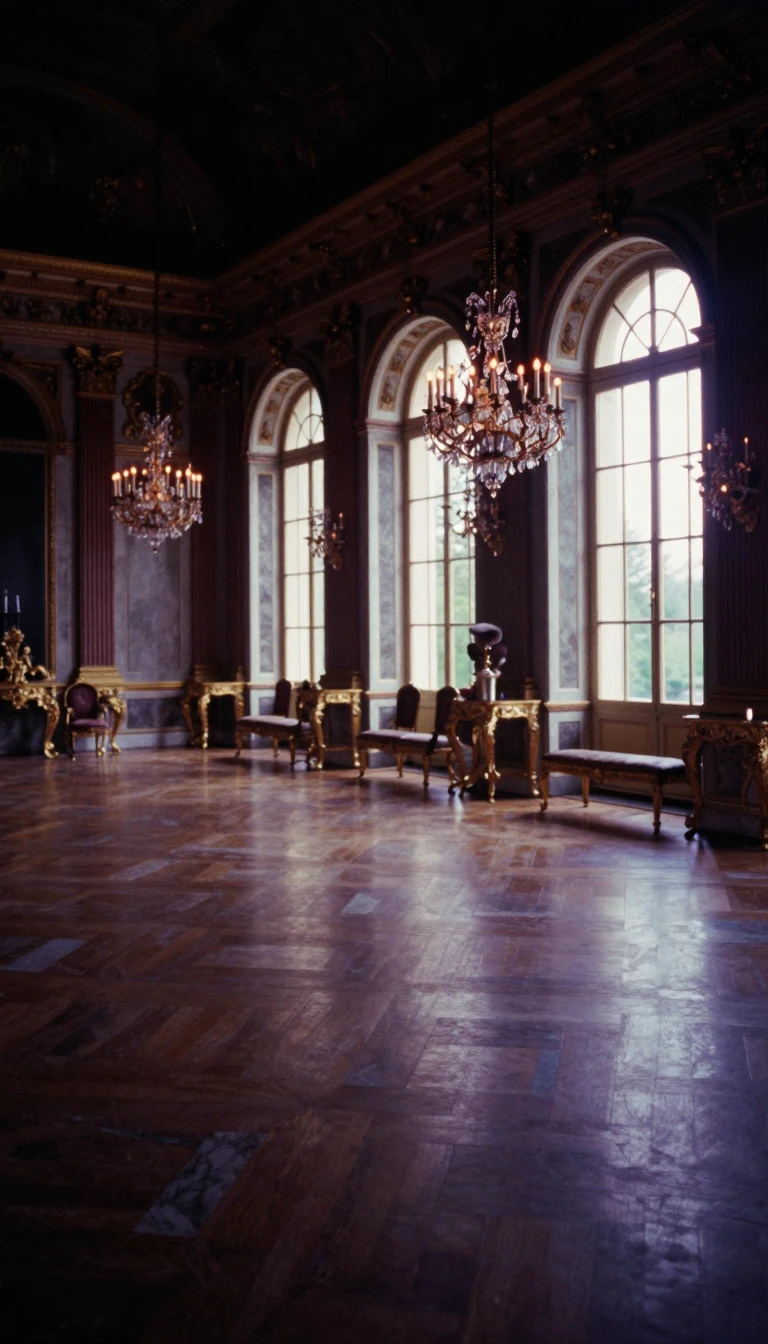
In short: Élisabeth Vigée Le Brun was the favored painter of Marie Antoinette, creating over 30 portraits of the Queen. Yet, as the French Revolution ignited, her royal associations turned into a liability. Fearing for her life, she escaped Paris in disguise, embarking on a twelve-year exile across Europe to continue her craft.
Born in Paris in 1755, Élisabeth Vigée Le Brun displayed early artistic talent, encouraged by her father, a portraitist. By her teens, she was already a professional painter, though she often clashed with the rigid conventions of the era. She sought to modernize portraiture by draping her subjects in soft shawls and scarves, a style inspired by masters like Raphael. Her reputation grew rapidly, leading to her appointment as the official painter to Marie Antoinette in 1778. This role brought her immense prestige but also placed her at the center of court scandals, including the public outcry over her 1783 portrait of the Queen in informal muslin attire.
Vigée Le Brun’s professional life was marked by both triumph and intense scrutiny. In 1783, she was admitted to the Académie royale de peinture et de sculpture, though only after Marie Antoinette pressured Louis XVI to overrule the institution's initial refusal. Her career was frequently shadowed by rumors regarding her finances and personal life, including alleged affairs with patrons like the Comte de Vaudreuil. Despite these challenges, she was a prolific artist, creating 660 portraits and 200 landscapes throughout her life. Her work often blended Rococo color palettes with the emerging Neoclassical style, reflecting her deep study of Flemish and Dutch masters.
The onset of the French Revolution in 1789 forced a dramatic shift in her life. Harassed by revolutionaries for her ties to the monarchy, she fled Paris on 5 October 1789, traveling in a stagecoach under the guise of a commoner. Her exile took her through Italy, Austria, Russia, and Germany, where she continued to work and maintain her royalist convictions. Even in displacement, her talent remained recognized; she was admitted to the academy in Bologna within days of her arrival. In her later years, she published her memoirs, providing a detailed, if sometimes defensive, account of her experiences during one of history’s most volatile transitions.
Opens the Intellect+ feed with this card first. Swipe up for the next one.
Sources
- Summary by Intellect · source: Élisabeth Vigée Le Brun
- Also: Art Institute of Chicago — Portrait of Queen Marie Antoinette of France · CC0 (data); description CC BY 4.0
To cite this card, link to https://intellectplus.co.uk/app/art-lisabeth-vig-e-le-brun.
How we source, check and correct cards: Editorial standards.
General information, not professional advice. Spotted an error? Flag the card or see corrections and complaints.
Intellect Plus is a visual educational discovery platform for exploring fascinating facts and ideas. Brain Food, Not Brain Rot. What is Intellect Plus?
Related
More in Visual artists · More in Art · Latest · A–Z · All topics
