Why do we find hospital dramas so addictive and deeply relatable to watch?
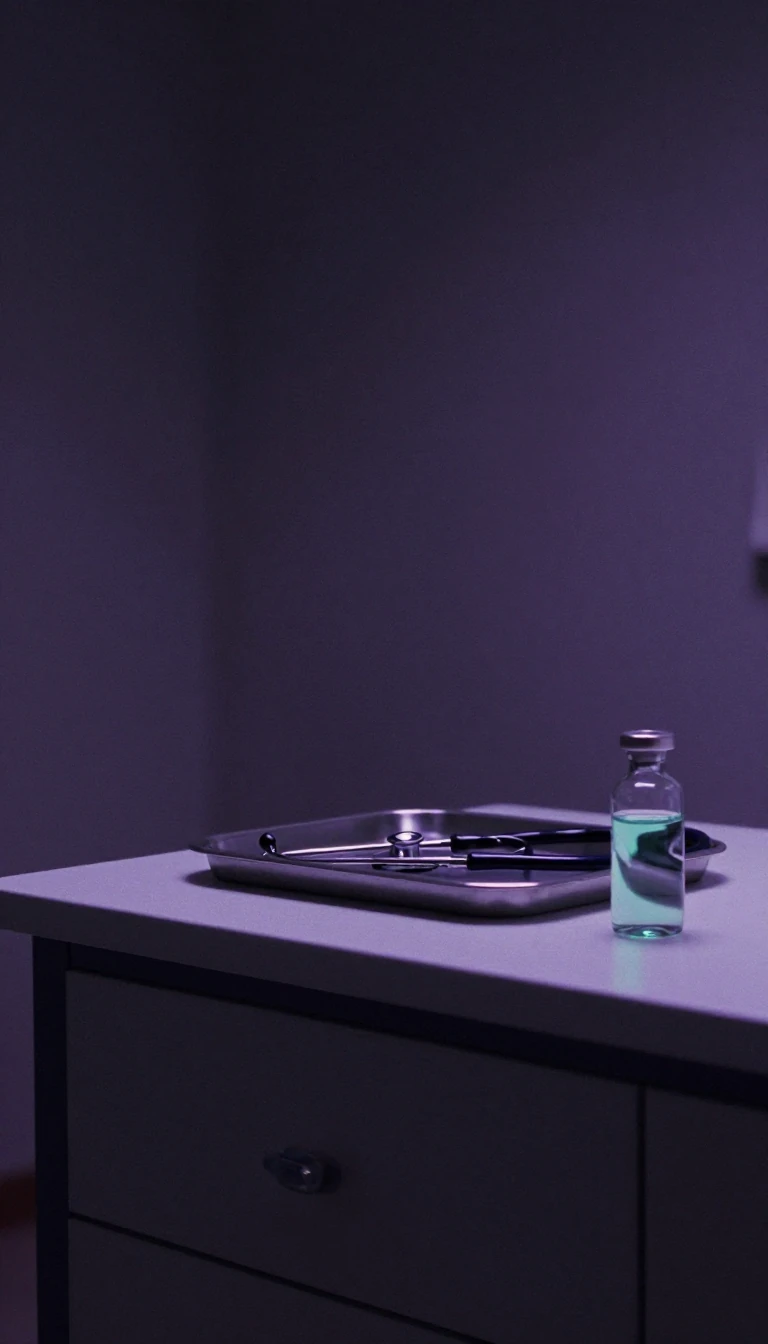
In short: Medical dramas turn the sterile hospital ward into a stage for the human condition. Beyond the high-stakes surgeries, these shows thrive because they blend extraordinary professional pressure with the mundane struggles of everyday life. Marshall McLuhan once predicted this genre's dominance, arguing that television's tactile nature creates an obsession with bodily welfare.
The medical drama genre has evolved from early serialized films like the Dr. Kildare series (1937–1947) into a television staple. While City Hospital (1951) is often cited as the first televised medical drama, the genre truly exploded in 1961 with the popularity of Dr. Kildare and Ben Casey. These programs established a formula that balances professional medical cases with the personal lives of the staff, a hallmark of modern series like Grey's Anatomy and Chicago Med.
Marshall McLuhan suggested in 1964 that the success of these shows is rooted in the medium of television itself. He observed that medical students watching surgical instruction on closed-circuit TV felt as if they were performing the operations themselves. This sense of 'depth involvement' fosters a natural public obsession with bodily welfare, making the hospital ward a perfect setting for television. Professor George Ikkos of the Royal Society of Medicine adds that the genre's massive appeal stems from the relatability of characters who, despite their extraordinary careers, are depicted as everyday citizens.
The genre is remarkably versatile, spanning from the comedic, dark undertones of M*A*S*H (1972) to the rescue-focused intensity of Emergency! (1972). Some shows, like Dr. Finlay's Casebook or A Country Practice, use the medical profession as a lens to explore small-community life. Beyond entertainment, medical dramas have even found a place in formal training; a systematic review suggests they serve as a feasible and acceptable complement to medical education. Whether through the long-running British series Casualty, which has aired since 1986, or the soap opera General Hospital, which began in 1963, the genre remains a powerful mirror for our own vulnerabilities.
Opens the Intellect+ feed with this card first. Swipe up for the next one.
Sources
- Summary by Intellect · source: Medical drama
To cite this card, link to https://intellectplus.co.uk/app/art-medical-drama.
How we source, check and correct cards: Editorial standards.
General information, not professional advice. Spotted an error? Flag the card or see corrections and complaints.
Intellect Plus is a visual educational discovery platform for exploring fascinating facts and ideas. Brain Food, Not Brain Rot. What is Intellect Plus?
Related
More in Film and television · More in Art · Latest · A–Z · All topics
