A monument is more than stone; it is a tool to shape our future.
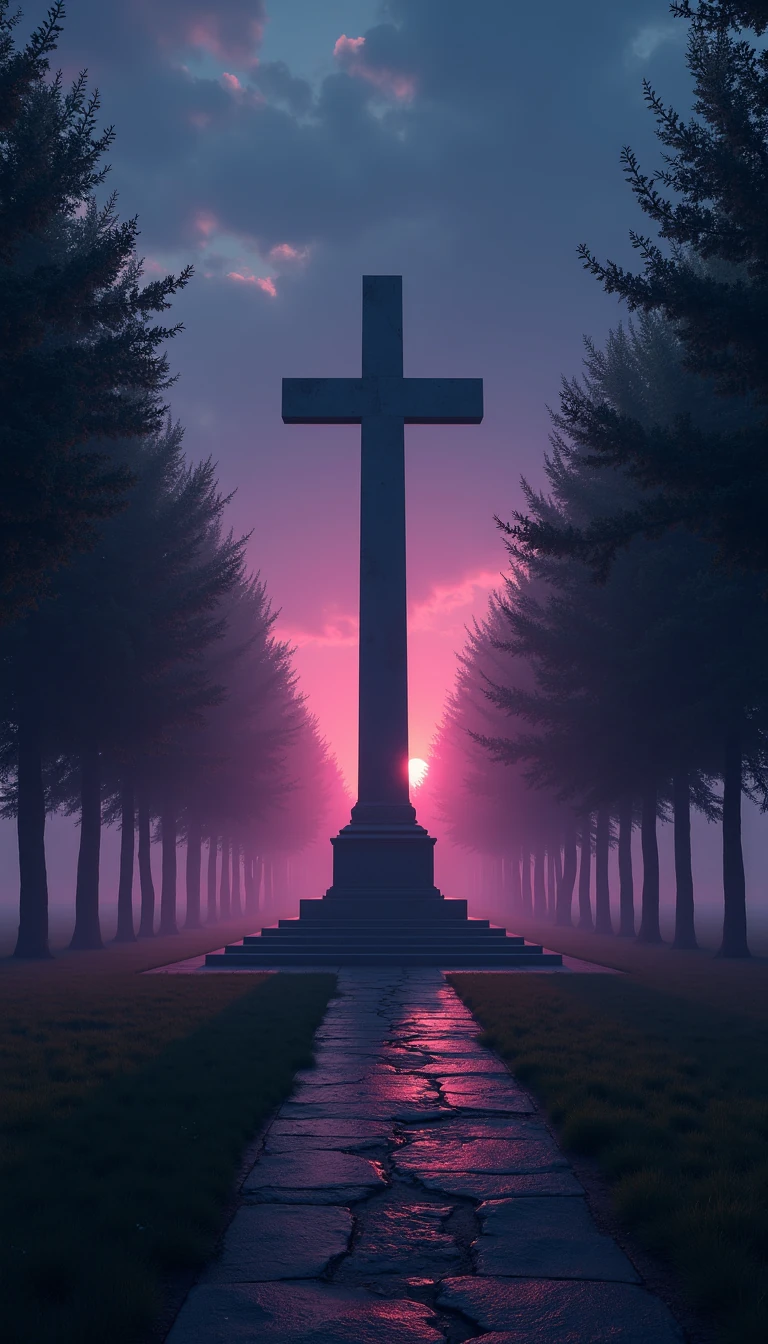
In short: Derived from the Latin word for reminding or warning, monuments do more than preserve the past. They are active, often contested instruments of power and memory. Whether built to organize a city or to reinforce political dominance, these structures reveal as much about their creators as the history they commemorate.
The concept of the monument is deeply rooted in the human desire to anchor memory in physical space. While modern definitions often frame them as significant sculptural or architectural forms, the term itself originates from the Latin 'monumentum,' linked to 'monere'—to remind or warn. This etymology suggests that monuments were never merely passive records; they were intended to bridge the gap between the past and the future, acting as beacons of cultural or political intent.
Historians and archaeologists debate the true origins of these structures. Some, like Lewis Mumford, trace the practice to Paleolithic landmarks used for ancestral communication, while others argue that the 'historic monument' is a specific, datable invention of the West, exported globally only from the late nineteenth century. This distinction is vital because it highlights how modern societies often project their own values onto ancient sites, retroactively labeling ordinary domestic buildings or defensive walls as monuments simply because they have survived the passage of time.
Beyond their aesthetic or historical value, monuments possess a potent socio-political dimension. They are frequently used to assert authority, such as the statues of Lenin in the Soviet Union or Trajan's Column in Rome. Because their meanings are rarely fixed, they often become sites of intense social contestation. In the American South, for instance, Confederate statues serve as flashpoints where different groups clash over whether a structure represents honorable heritage or the painful legacy of systemic racism. This fluidity ensures that monuments remain active, evolving participants in public life rather than static relics.
The vulnerability of these structures is also a defining feature. Whether destroyed by natural erosion, accidental damage—like the 1687 Venetian mortar strike on the Parthenon—or intentional iconoclasm, such as Charlemagne’s destruction of the Irminsul monument in 772, the loss of a monument is often a deliberate attempt to erase a community's memory. Today, international bodies like UNESCO and the World Monuments Fund work to protect these sites, recognizing that when a monument is destroyed, a vital piece of collective identity is lost.
Opens the Intellect+ feed with this card first. Swipe up for the next one.
Sources
- Summary by Intellect · source: Monument
- Also: Art Institute of Chicago — Mount Athos Carved as a Monument to Alexander the Great · CC0 (data); description CC BY 4.0
To cite this card, link to https://intellectplus.co.uk/app/art-monument.
How we source, check and correct cards: Editorial standards.
General information, not professional advice. Spotted an error? Flag the card or see corrections and complaints.
Intellect Plus is a visual educational discovery platform for exploring fascinating facts and ideas. Brain Food, Not Brain Rot. What is Intellect Plus?
Related
More in Visual arts · More in Art · Latest · A–Z · All topics
