Why an ancient Mesoamerican cooking technique saved millions from a deadly nutritional deficiency
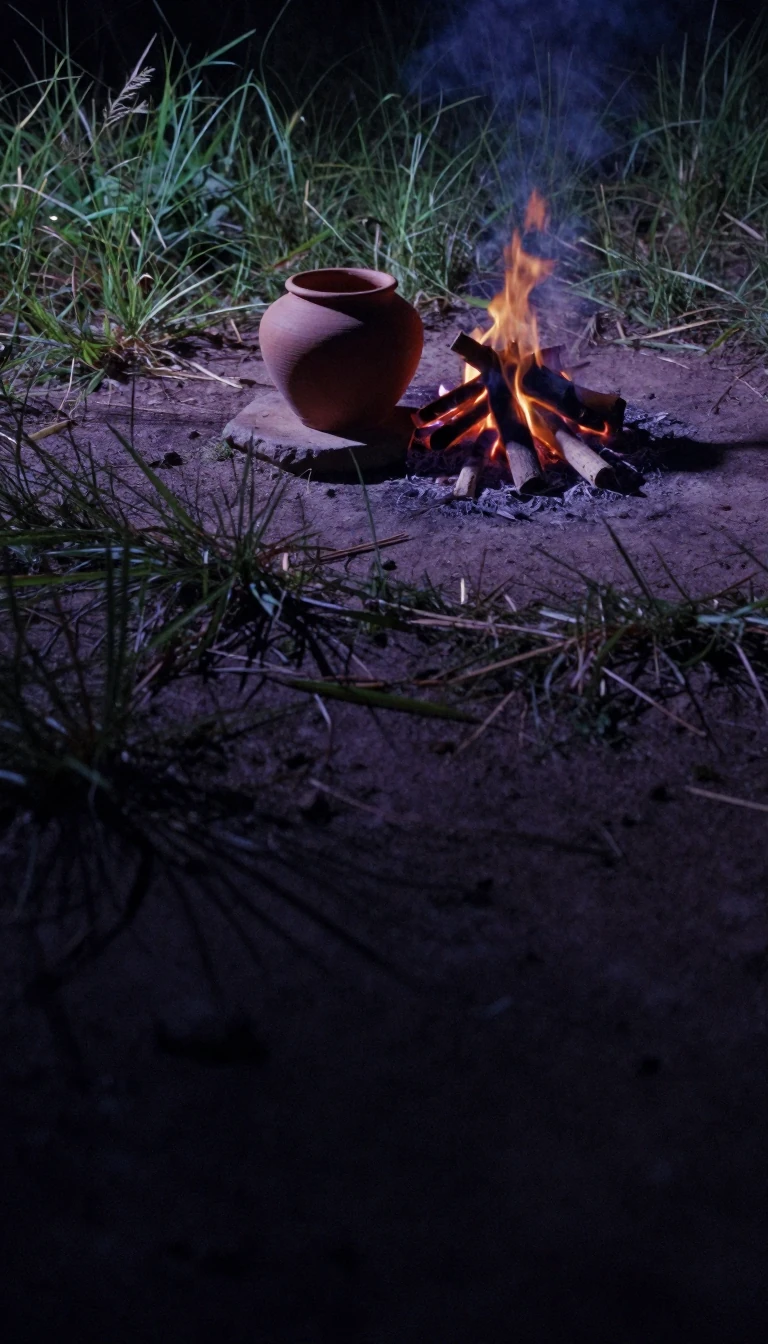
In short: Nixtamalization is more than a culinary tradition; it is a chemical intervention. By soaking maize in alkaline solutions like limewater, ancient civilizations unlocked essential nutrients and neutralized toxins. Without this process, corn-dependent populations faced severe health crises, proving that how we prepare our food matters as much as the ingredients.
The process of nixtamalization involves cooking dried maize in an alkaline solution—typically water mixed with lime or ash—before steeping, washing, and hulling the grain. This chemical reaction, which dates back to at least 1200–1500 BCE in Guatemala, fundamentally alters the corn's structure. The alkalinity dissolves hemicellulose, the glue-like component of cell walls, which loosens the pericarp and allows the grain to be ground into a cohesive dough known as masa.
Beyond texture, the transformation is deeply nutritional. Untreated maize is notoriously low in bioavailable niacin, a deficiency that historically led to widespread outbreaks of pellagra in Europe and the southern United States, where the process was often ignored. Nixtamalization solves this by making tryptophan—a precursor to niacin—absorbable by the human body. Furthermore, the use of lime introduces significant mineral benefits, increasing calcium content by 750% and providing essential iron, copper, and zinc.
The process also serves as a vital safety mechanism. Nixtamalization can reduce dangerous mycotoxins, such as aflatoxins, by up to 100%. While traditional methods rely on time-intensive soaking and boiling, modern industrial approaches have introduced enzymatic nixtamalization. By using protease enzymes, producers can achieve similar results in about four hours, significantly reducing water and energy consumption while minimizing the production of alkaline wastewater known as nejayote.
Though the practice is ancient, its importance remains modern. It is the foundation for staples like tortillas, tamales, and hominy. While some North American tribes moved away from the technique, it remains a cornerstone of Mesoamerican foodways. The historical failure to adopt this process during the global spread of maize cultivation serves as a stark reminder of how cultural knowledge can be the difference between a healthy diet and endemic disease.
Opens the Intellect+ feed with this card first. Swipe up for the next one.
Sources
- Summary by Intellect · source: Nixtamalization
To cite this card, link to https://intellectplus.co.uk/app/art-nixtamalization.
How we source, check and correct cards: Editorial standards.
General information, not professional advice. Spotted an error? Flag the card or see corrections and complaints.
Intellect Plus is a visual educational discovery platform for exploring fascinating facts and ideas. Brain Food, Not Brain Rot. What is Intellect Plus?
Related
More in Visual artists · More in Art · Latest · A–Z · All topics
