Can a silent stone vessel truly hold the secrets of beauty and truth?
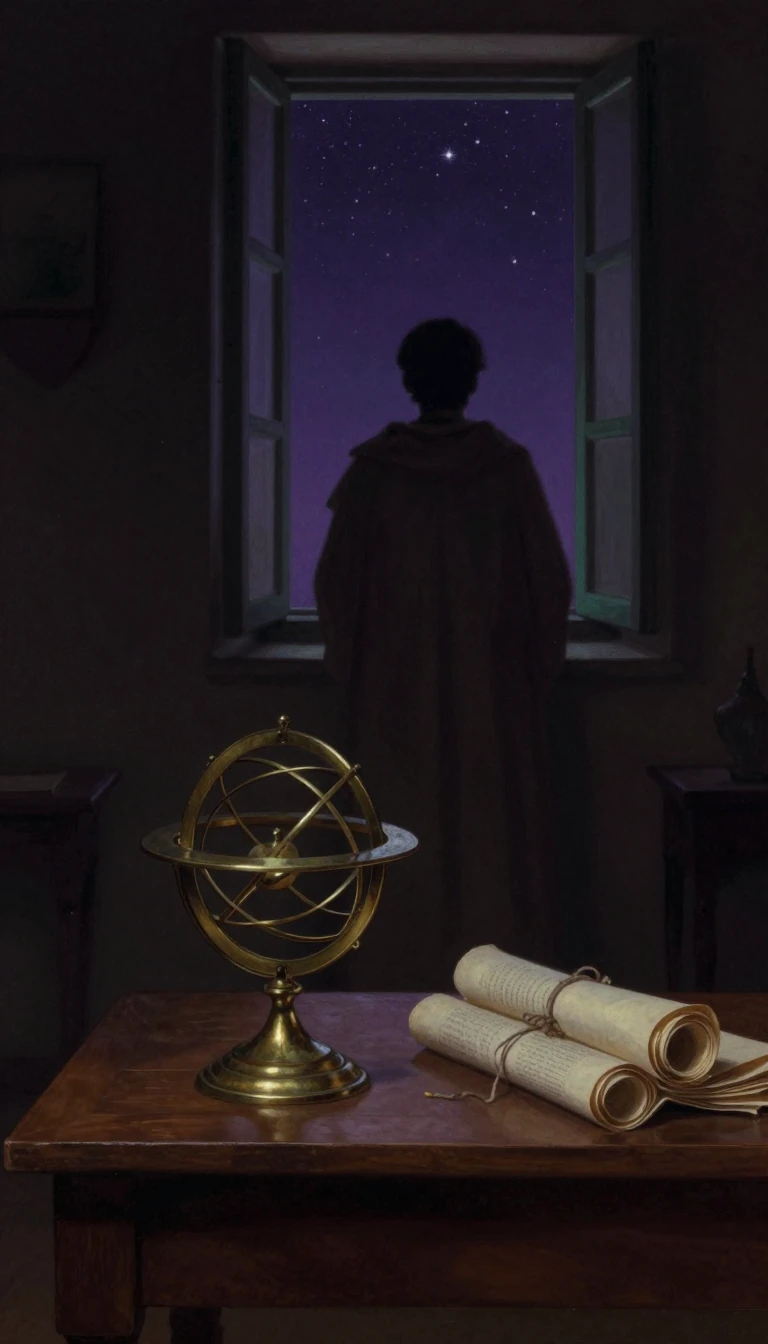
In short: John Keats composed his famous ode in May 1819, transforming the ancient Greek urn into a profound meditation on art, eternity, and human desire. By freezing fleeting moments in stone, the poem explores a paradox: how can art be both a cold, silent object and a source of living truth?
Written by 23-year-old John Keats in 1819, the poem emerged during a period of intense personal struggle. While working as an assistant house surgeon at Guy's Hospital, Keats abandoned his medical career to focus on poetry, despite facing significant financial burdens. The work was part of a collection of five odes, including 'Ode to a Nightingale' and 'Ode on Melancholy', all of which share a unified structure of ten-line stanzas. Keats drew inspiration from contemporary art discourse, specifically articles by Benjamin Haydon, and his own observations of the Elgin Marbles. Rather than describing a specific historical artifact, Keats synthesized various classical influences to create an ideal artistic type.
The poem employs ekphrasis, a technique of describing visual art through language. Keats departs from traditional ekphrastic models by replacing the depiction of action with a series of unanswered questions. The urn is addressed as a 'foster-child of silence and slow time,' serving as a 'sylvan historian' that tells a story through its beauty. The imagery—a lover chasing a beloved, a piper, and a religious sacrifice—highlights the tension between the permanence of art and the transience of human life. This creates a paradox where the figures are immortal, yet trapped in a state of 'living death' because they can never fulfill their desires.
The poem's final lines, 'Beauty is Truth, Truth Beauty,' have sparked intense critical debate for over a century. Early 20th-century critics like Robert Bridges and T. S. Eliot questioned the meaning and value of this conclusion, with some labeling it a 'pseudo-statement' or a blemish on the work. Conversely, others like Cleanth Brooks defended the lines as essential to the poem's philosophical weight. Despite these disagreements, the work is now celebrated as one of the greatest odes in the English language, capturing a unique balance between classical structure and Romantic asymmetry.
Opens the Intellect+ feed with this card first. Swipe up for the next one.
Sources
- Summary by Intellect · source: Ode on a Grecian Urn
- Also: Art Institute of Chicago — In Grecian Draperies · CC0 (data); description CC BY 4.0
To cite this card, link to https://intellectplus.co.uk/app/art-ode-on-a-grecian-urn.
How we source, check and correct cards: Editorial standards.
General information, not professional advice. Spotted an error? Flag the card or see corrections and complaints.
Intellect Plus is a visual educational discovery platform for exploring fascinating facts and ideas. Brain Food, Not Brain Rot. What is Intellect Plus?
Related
More in Literature · More in Art · Latest · A–Z · All topics
