Odilon Redon abandoned his haunting black-and-white nightmares to embrace a vibrant, spiritual color palette.
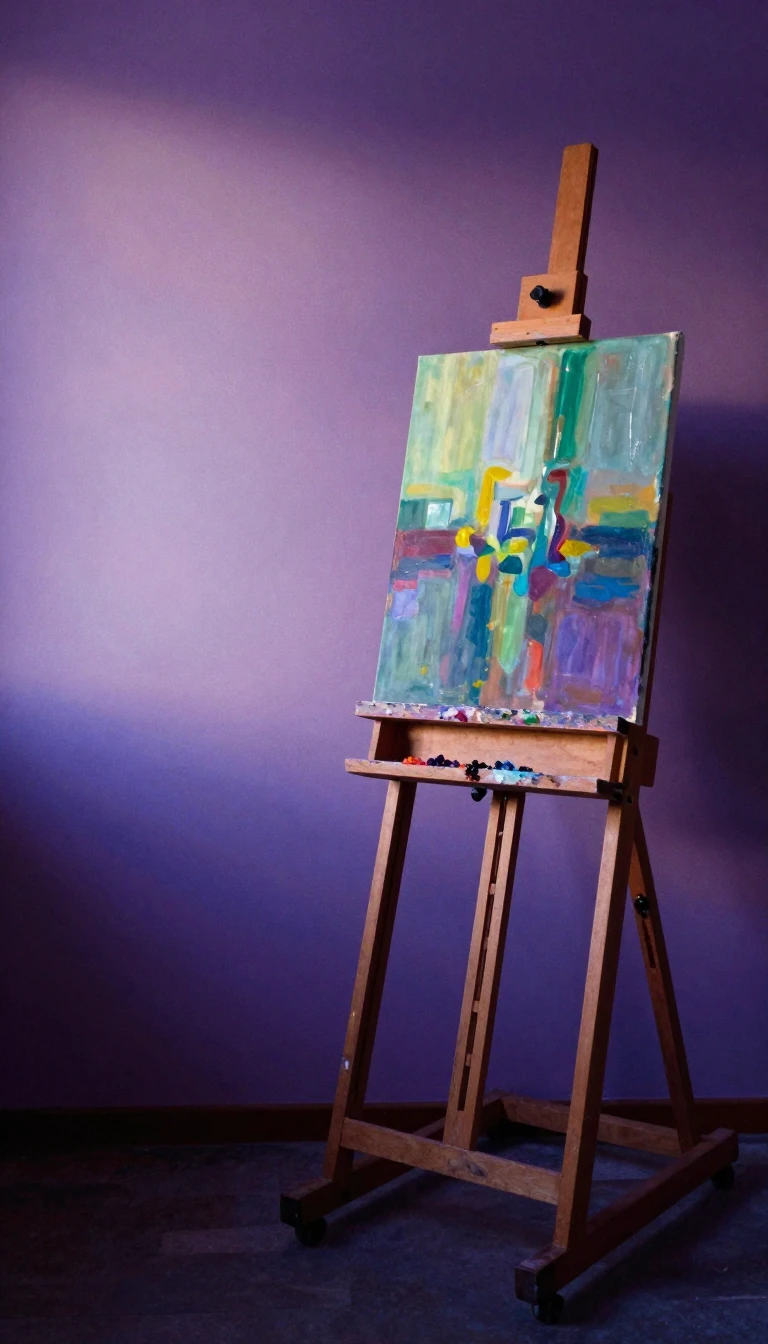
In short: For decades, French artist Odilon Redon worked exclusively in charcoal and lithography, crafting dark, dreamlike visions he called his noirs. Yet, at the turn of the century, he abruptly shifted to luminous pastels and oils. This radical transformation replaced his internal turmoil with a hopeful, colorful exploration of the psyche.
Born in 1840, Redon initially sought a career in architecture but found his true calling under the tutelage of Rodolphe Bresdin. His early output was defined by a stark, monochromatic aesthetic. These noirs, featuring bizarre figures and feverish landscapes, remained largely obscure until Joris-Karl Huysmans featured them in his 1884 novel, À rebours. Huysmans described these works as defying classification, born from a unique blend of delirium and sickness, depicting everything from winking eyes on dice to human-faced spiders.
The 1890s marked a pivotal shift in Redon's creative process. He began experimenting with oil and pastel, eventually abandoning his black-and-white style entirely after 1900. This transition was not merely technical; it reflected a deepening interest in Hindu and Buddhist philosophy. His later works, such as those commissioned by Baron Robert de Domecy in 1899, moved toward abstraction. These decorative panels, characterized by endless horizons and delicate floral motifs, signaled a departure from representational space toward a more lyrical, meditative experience.
Redon viewed his art as a way to apply the rules of the physical world to the realm of the unseen. He often noted that while drawing from life provided a necessary exercise, it left him unsatisfied, whereas relying on his imagination offered true peace. By the time of his death in 1916, his influence was undeniable. His ability to render the intangible—what he called the ambiguous realm of the undetermined—made him a vital precursor to both Dadaism and Surrealism, proving that the internal voyage of the artist could be as vivid as any external reality.
Opens the Intellect+ feed with this card first. Swipe up for the next one.
Sources
- Summary by Intellect · source: Odilon Redon
- Also: Flower Clouds
To cite this card, link to https://intellectplus.co.uk/app/art-odilon-redon.
How we source, check and correct cards: Editorial standards.
General information, not professional advice. Spotted an error? Flag the card or see corrections and complaints.
Intellect Plus is a visual educational discovery platform for exploring fascinating facts and ideas. Brain Food, Not Brain Rot. What is Intellect Plus?
Related
More in Visual artists · More in Art · Latest · A–Z · All topics
