How a rebellious student of Martha Graham redefined the boundaries of modern dance performance
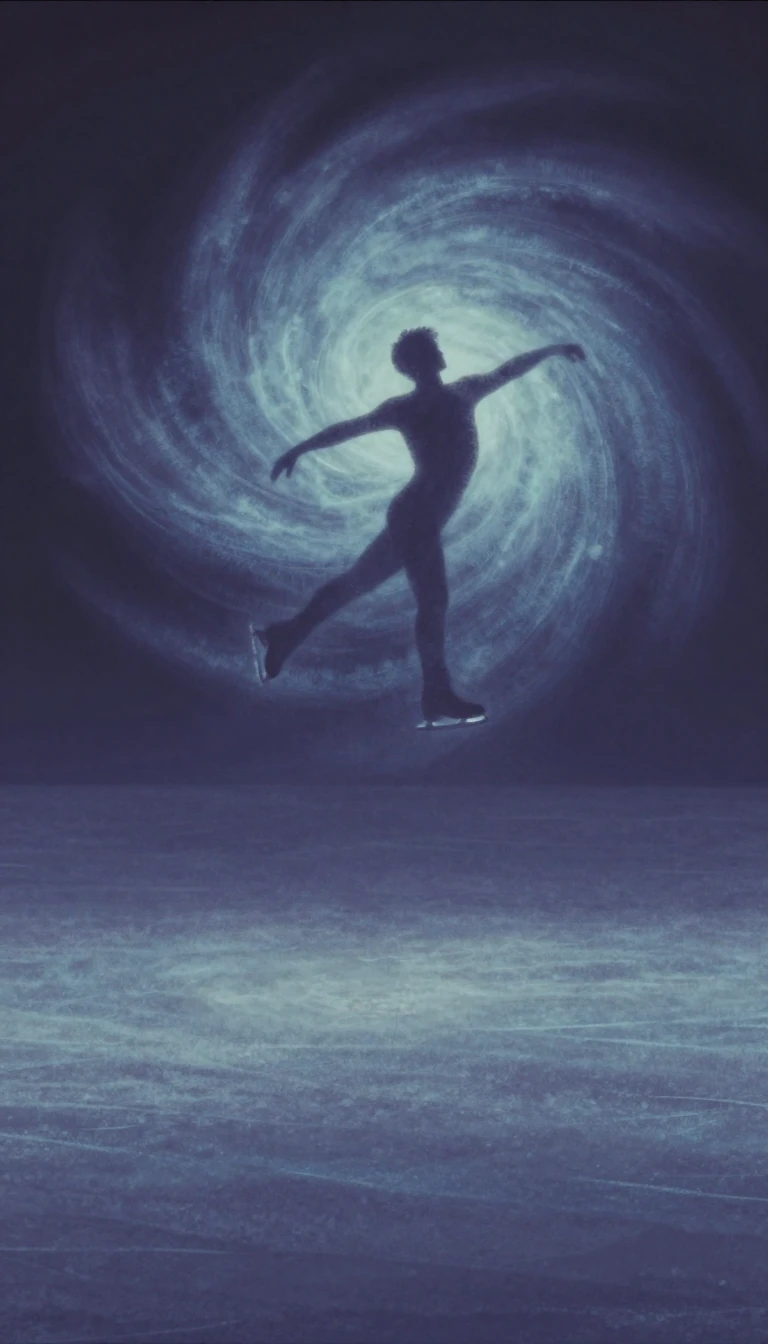
In short: Paul Taylor began his career as an enfant terrible, famously presenting a dance consisting entirely of stillness. While his mentor Martha Graham scolded him for his avant-garde provocations, Taylor was determined to forge his own path, eventually evolving from conceptual stillness to a mastery of pedestrian movement and complex choreography.
Born in 1930, Paul Taylor entered the dance world after a stint as a competitive swimmer at Syracuse University. His early work was defined by a radical rejection of established conventions. In 1957, he presented Duet, a piece where he and his partner remained motionless for four minutes, set to John Cage’s silent score. The performance was so controversial that a critic for The Dance Observer published a blank column in response. Taylor’s penchant for the unconventional extended to his collaborations; for his 1956 work Three Epitaphs, he worked with Robert Rauschenberg to create costumes that completely obscured the dancers' faces and skin with black hoods and mirrors.
These early experiments were often intended to provoke his mentor, Martha Graham, with whom he danced as a soloist. Graham famously chided him as a 'naughty boy' for his refusal to show the dancers' faces. Taylor’s desire to distance himself from Graham’s influence was a primary motivator in his early career. However, his trajectory shifted significantly with the 1962 premiere of Aureole. This plotless work, set to a baroque score, was a major success and marked his departure from the avant-garde aesthetic to pursue choreography full-time with his own company, which he had founded in 1954.
Taylor’s later work, such as the 1975 masterpiece Esplanade, demonstrated his fascination with pedestrian movement—incorporating everyday actions like running, sliding, and falling into formal dance. He remained deeply interested in the relationship between reality and appearance, as seen in his 1969 piece Private Domain, which utilized sets by Alex Katz to manipulate the audience's perspective. Throughout his career, Taylor’s choreography drew from diverse inspirations, including his love of swimming and a fascination with insect movement, ultimately cementing his legacy as a pivotal figure who bridged the gap between conceptual performance and traditional modern dance.
Opens the Intellect+ feed with this card first. Swipe up for the next one.
Sources
- Summary by Intellect · source: Paul Taylor | Department of Dance | University of Washington
- Also: Paul Taylor | Biography, Dance, & Facts | Britannica
- Also: Paul Taylor (choreographer)
To cite this card, link to https://intellectplus.co.uk/app/art-paul-taylor-choreographer.
How we source, check and correct cards: Editorial standards.
General information, not professional advice. Spotted an error? Flag the card or see corrections and complaints.
Intellect Plus is a visual educational discovery platform for exploring fascinating facts and ideas. Brain Food, Not Brain Rot. What is Intellect Plus?
Related
More in Entertainers · More in Art · Latest · A–Z · All topics
