Why this master of color refused to stretch his canvases onto frames
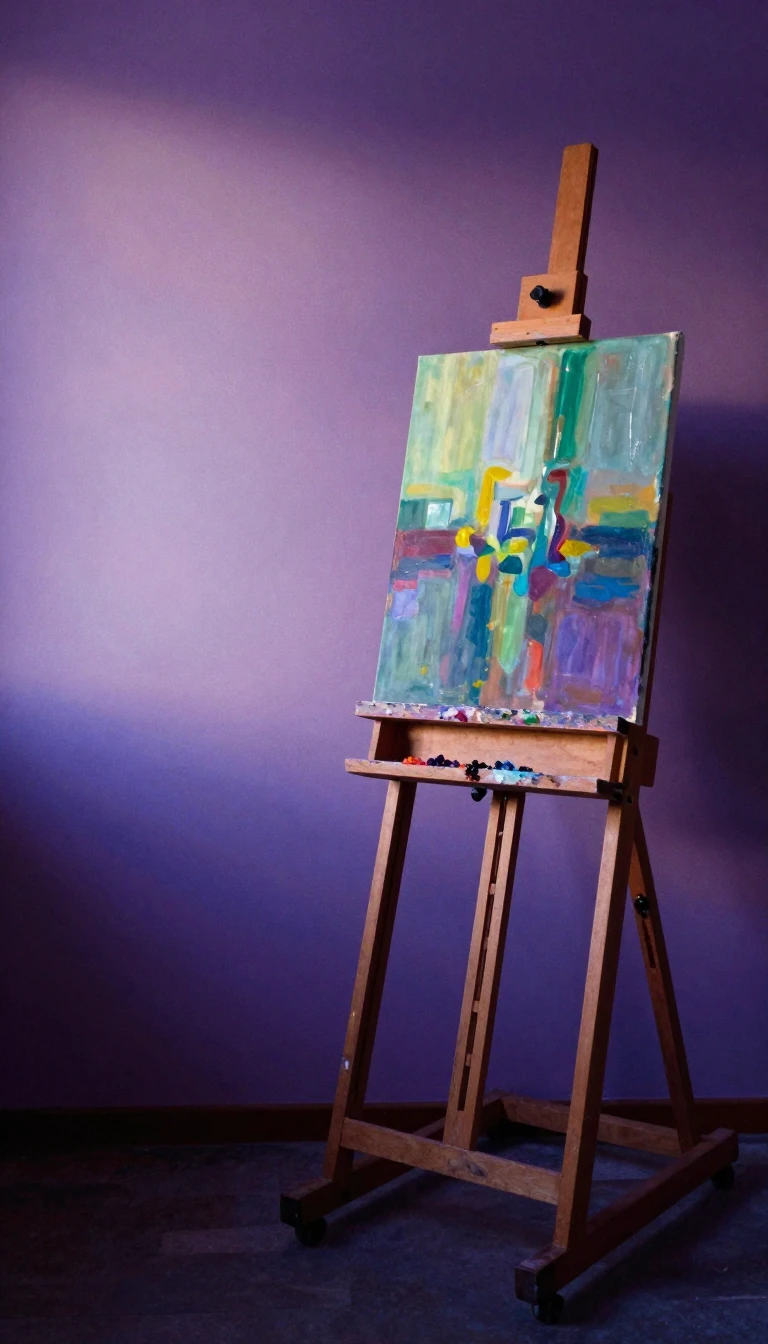
In short: Pierre Bonnard was a painter who rejected the constraints of traditional art. He famously worked on unstretched canvases tacked to his studio walls, allowing him to decide the dimensions of his work only after the painting was complete. His process was one of reflection, memory, and intense, luminous color.
Born in 1867, Pierre Bonnard began his career as a lawyer before fully committing to art. As a founding member of the Nabis, he initially embraced the group's decorative, flat aesthetic, heavily influenced by Japanese prints. His nickname, Le Nabi le trés japonard, reflected his deep fascination with the bold patterns and multiple perspectives found in the works of artists like Hokusai and Utamaro. By the early 20th century, however, Bonnard had evolved into a singular figure, often labeled an Intimist for his focus on domestic scenes, portraits of his wife Marthe, and sun-drenched interiors.
Bonnard’s working method was deeply unconventional. He rarely painted directly from life, preferring to sketch his subjects or take photographs, then retreat to his studio to paint from memory and notes. He described this process as a period of reflection and dreaming. Because he worked on multiple unstretched canvases simultaneously, he maintained total flexibility over the composition, often adding ironic or eccentric elements—like a cat staring at the viewer or a figure hidden in a corner—to disrupt the balance of his scenes.
While some critics, such as Christian Zervos, dismissed his later work as an insipid decline of Impressionism, contemporaries like Henri Matisse championed him as a great artist for posterity. His later career saw him navigate the turbulence of the 20th century, including the German occupation of France, during which he refused to paint official portraits for the collaborationist regime. Instead, he focused on deeply personal subjects, such as his final painting, The Almond Tree in Blossom, finished just a week before his death in 1947.
Today, Bonnard is recognized for his idiosyncratic genius. His ability to blend psychological insight with poetic color and unexpected spatial conundrums continues to fascinate. Whether depicting the intimate, sometimes uneasy domesticity of his life with Marthe or the grand, Arcadian landscapes of his later years, Bonnard’s work remains a testament to his belief that art should always seek a profound connection with life.
Opens the Intellect+ feed with this card first. Swipe up for the next one.
Sources
- Summary by Intellect · source: Pierre Bonnard
To cite this card, link to https://intellectplus.co.uk/app/art-pierre-bonnard.
How we source, check and correct cards: Editorial standards.
General information, not professional advice. Spotted an error? Flag the card or see corrections and complaints.
Intellect Plus is a visual educational discovery platform for exploring fascinating facts and ideas. Brain Food, Not Brain Rot. What is Intellect Plus?
Related
More in Visual artists · More in Art · Latest · A–Z · All topics
