The invisible bridge between the fall of Rome and the Middle Ages
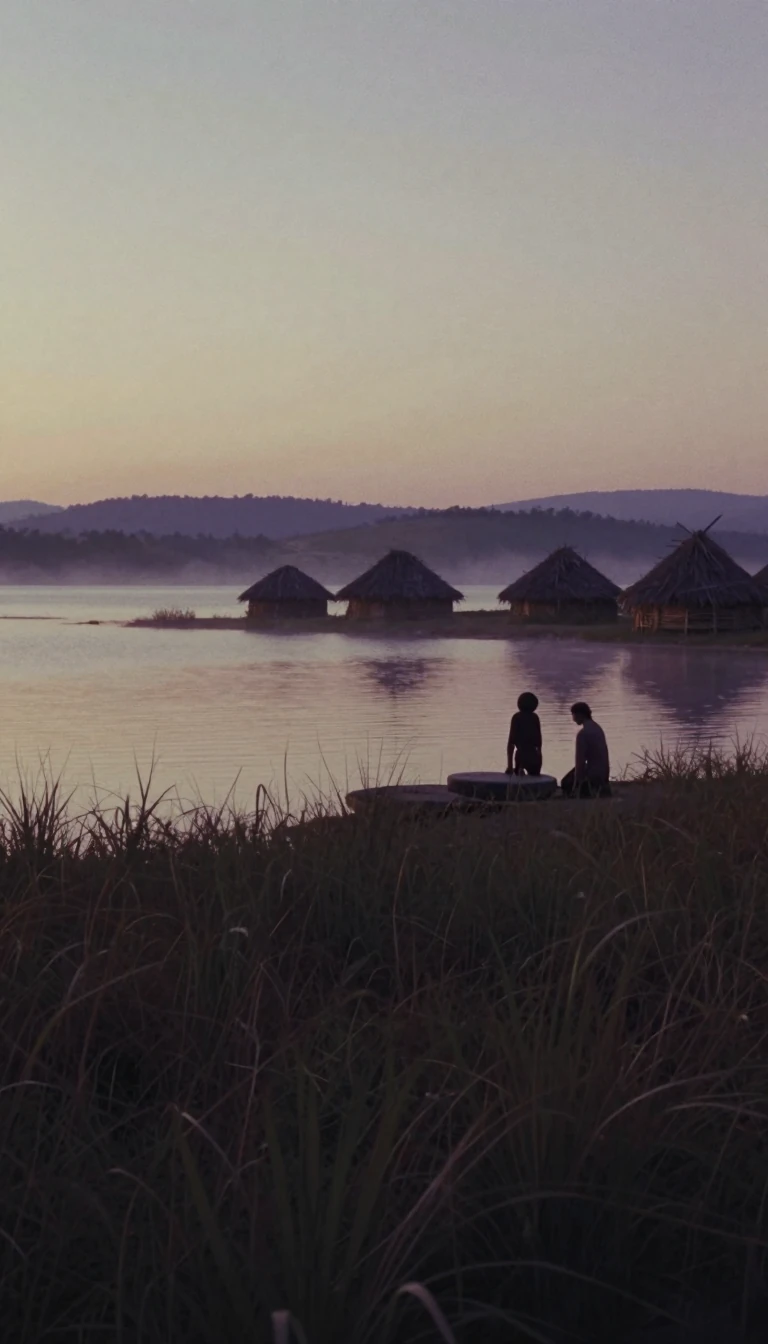
In short: Before the soaring cathedrals of the Romanesque era, a sophisticated artistic fusion was quietly taking shape. This period wasn't just a gap in history; it was a laboratory where classical Mediterranean forms met Germanic traditions to forge the visual language of medieval Europe.
Spanning from roughly 500 during the Merovingian dynasty's ascent or the late 8th century Carolingian Renaissance until Romanesque aesthetics appeared in the 11th century, Pre-Romanesque describes this timeframe. This era encompasses various artistic forms beyond just monumental sculpture and architecture. It represents a crucial transition where Western Europe absorbed classical Mediterranean and Early Christian forms into Germanic aesthetics. This synthesis provided the structural and artistic DNA for the architectural revolution that followed.
The Merovingians were instrumental early pioneers, maintaining Roman traditions by constructing large stone monastery churches and palaces. For instance, the basilica of Saint-Martin at Tours featured 120 marble columns and a vertical emphasis—hallmarks that would later define the Romanesque style. This period saw an explosion of religious infrastructure; while only 200 monasteries existed south of the Loire in 585, that number surged to over 400 by the end of the 7th century.
Successive dynasties further refined these styles. The Carolingian Renaissance (c. 780–900) promoted classical Roman forms and introduced innovative naturalistic figure drawings. Following a chaotic interval, the Ottonian dynasty (c. 936–1056) revived Imperial art, fusing Late Antique, Carolingian, and Byzantine models to create masterpieces of illuminated manuscripts and monumental architecture.
Regional diversity flourished during this time as well. In Croatia, churches featured 'pleter'—transparent string-like ornaments derived from Roman art. In Spain and Portugal, Visigothic influence introduced the horseshoe arch, while Mozarabic art emerged among Christians living under Moorish rule. Even in France, after the fall of central Imperial patronage, art became localized around monasteries, creating distinct regional styles based on available manuscripts and itinerant artists.
Opens the Intellect+ feed with this card first. Swipe up for the next one.
Sources
- Summary by Intellect · source: Pre-Romanesque art and architecture
To cite this card, link to https://intellectplus.co.uk/app/art-pre-romanesque-art-and-architecture.
How we source, check and correct cards: Editorial standards.
General information, not professional advice. Spotted an error? Flag the card or see corrections and complaints.
Intellect Plus is a visual educational discovery platform for exploring fascinating facts and ideas. Brain Food, Not Brain Rot. What is Intellect Plus?
Related
More in Medieval art · More in Art · Latest · A–Z · All topics
