How a humble crop became the symbol of a family's survival through Chinese history
In short: Mo Yan's debut novel, Red Sorghum, weaves a multi-generational saga of a Shandong family through the turbulent twentieth century. By blending folk-tale, myth, and magic realism, the narrative transforms a simple grain into a powerful emblem of vitality that persists amidst the bloodshed of war and political upheaval.
Published in 1987, Red Sorghum: A Novel of China originated as five separate novellas released in various magazines throughout 1986. The work, which Mo Yan later became famous for, follows three generations of a family living in Northeast Gaomi Township, Shandong province. The narrative spans over five decades, beginning in 1923 and concluding in 1976, capturing a period defined by intense conflict and rapid social change.
The story operates on a non-chronological timeline, utilizing a terse, first-person perspective that bridges the gap between historical reality and superstition. The family's journey is marked by their dual roles as distillery owners producing sorghum wine and as resistance fighters during the Second Sino-Japanese War. Beyond the external pressures of the war, the novel explores internal strife, detailing complex disputes between rival gangs and competing political factions. It also touches upon significant later events, including the Cultural Revolution and the 1972 normalization of diplomatic relations between China and Japan.
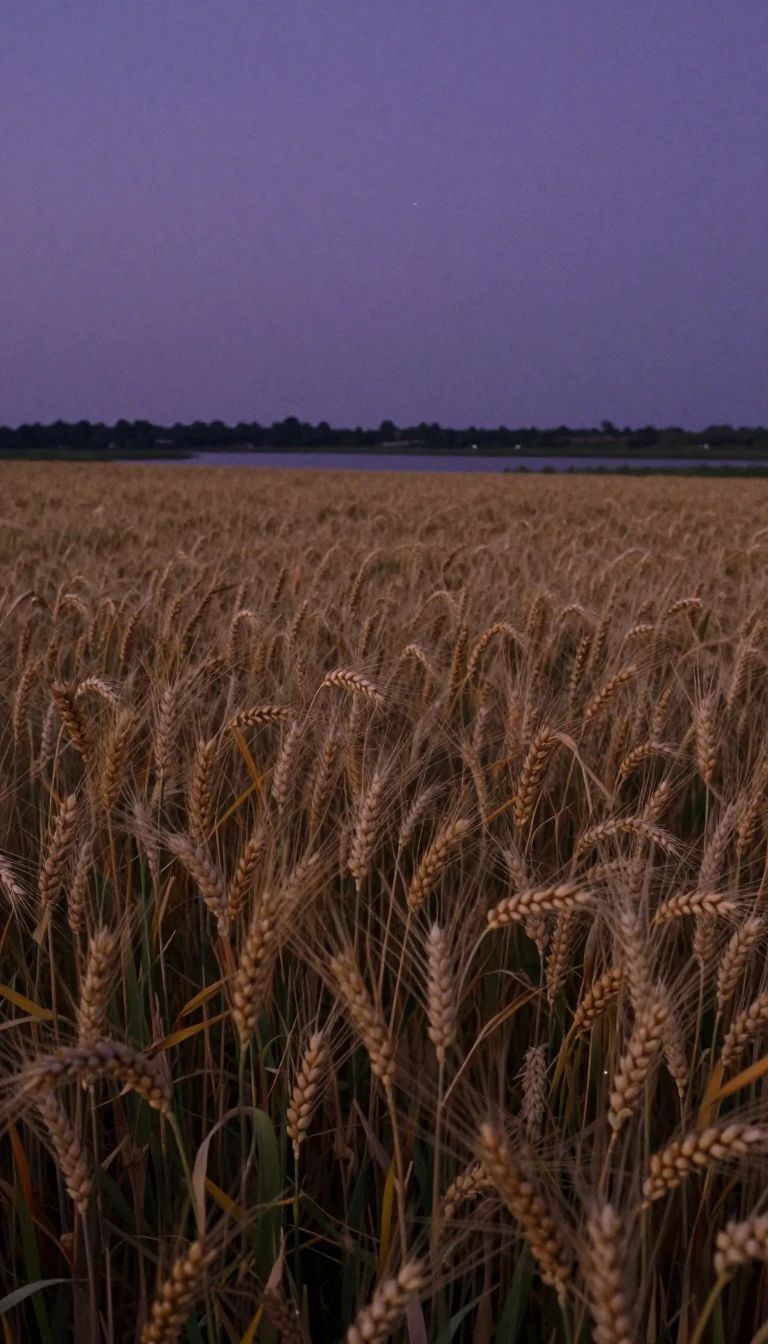
At the heart of the book is the red sorghum plant itself. In the author's hometown, this crop serves as more than just a food source; it is a symbol of indifference and resilience. While the human characters endure cycles of violence and death, the sorghum grows steadfastly, providing shelter, sustenance, and life. This thematic weight helped the work gain international recognition, leading to a 1988 film adaptation by Zhang Yimou that secured the Golden Bear at the Berlin Film Festival, and later, a 2014 television series directed by Zheng Xiaolong.
The novel's structure, which Howard Goldblatt translated into English in 1993, remains a cornerstone of modern Chinese literature. By framing the brutal realities of history within the framework of magic realism and folk-tale, Mo Yan created a narrative that transcends a simple family history, turning the landscape of Shandong into a living, breathing character that survives the indifference of time and conflict.
Opens the Intellect+ feed with this card first. Swipe up for the next one.
Sources
- Summary by Intellect · source: Red Sorghum (novel)
To cite this card, link to https://intellectplus.co.uk/app/art-red-sorghum-novel.
How we source, check and correct cards: Editorial standards.
General information, not professional advice. Spotted an error? Flag the card or see corrections and complaints.
Intellect Plus is a visual educational discovery platform for exploring fascinating facts and ideas. Brain Food, Not Brain Rot. What is Intellect Plus?
Related
More in Literature · More in Art · Latest · A–Z · All topics
