Why we crave the recent past: the cynical, bittersweet allure of retro style
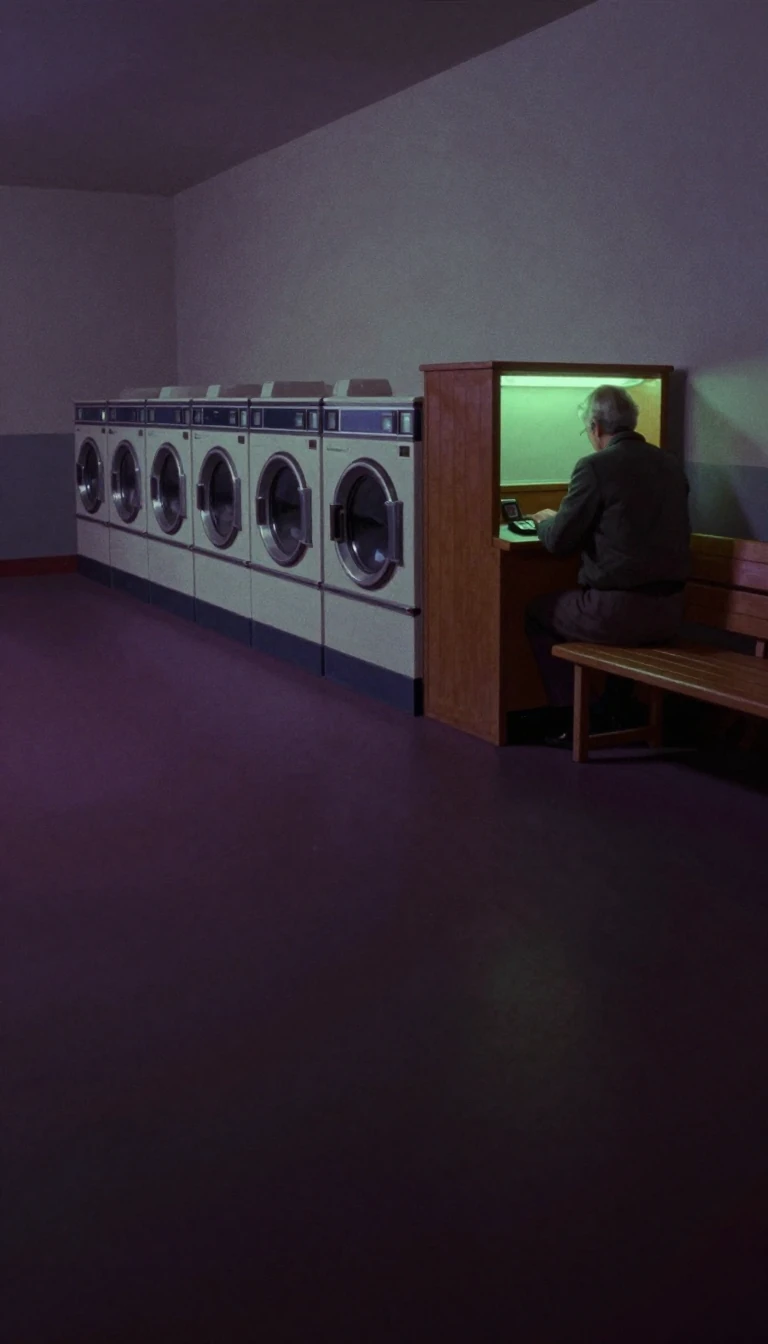
In short: Retro is more than just old-fashioned; it is a deliberate, ironic engagement with the recent past. Unlike traditional revivalism, this aesthetic blends longing with detachment, often fueled by a modern dissatisfaction with the present. It turns the mundane objects of yesterday into the curated, meaningful artifacts of today.
The term retro, derived from the Latin for backwards, emerged in 1972 to describe a specific cultural phenomenon: the conscious imitation of styles from the recent past. While designers have long borrowed from history—such as William Morris adopting Medieval models in 1891—retro is distinct because it focuses on the era following the Industrial Revolution. It represents a shift in how we relate to time, moving away from the grand historicism of the Romantic age toward a half-ironic, half-nostalgic reflection on modern forms that are no longer current.
In France, the concept gained traction during the 1970s as a way to reevaluate the Nazi occupation through film and literature. This cultural re-examination soon bled into fashion and design, where it was adopted by the press as a somewhat cynical revival of older trends. Theorist Jean Baudrillard famously characterized this movement as a way to strip away the myths of the modern age, creating a psychological distance between the present and the big ideas that once defined it. This detachment is key: retro is not merely a memory, but an unsentimental, curated experience.
Today, the retro aesthetic is ubiquitous, from the resurgence of 1990s fashion and the popularity of vintage gaming consoles like the NES or Commodore 64, to the deliberate use of analog-style graphics in modern advertising. Retailers now manufacture new goods specifically to mimic these past styles, proving that the value of everyday objects often spikes once they are no longer contemporary. Whether it is the Shōwa-era nostalgia in Japan or a 50th-anniversary basketball broadcast in the Philippines, retro serves as a bridge, allowing us to inhabit the aesthetic of the recent past while maintaining a modern, knowing perspective.
Opens the Intellect+ feed with this card first. Swipe up for the next one.
Sources
- Summary by Intellect · source: Retro style
To cite this card, link to https://intellectplus.co.uk/app/art-retro-style.
How we source, check and correct cards: Editorial standards.
General information, not professional advice. Spotted an error? Flag the card or see corrections and complaints.
Intellect Plus is a visual educational discovery platform for exploring fascinating facts and ideas. Brain Food, Not Brain Rot. What is Intellect Plus?
Related
More in Visual arts · More in Art · Latest · A–Z · All topics
