Why Paris’s most iconic white basilica remains a lightning rod for political conflict
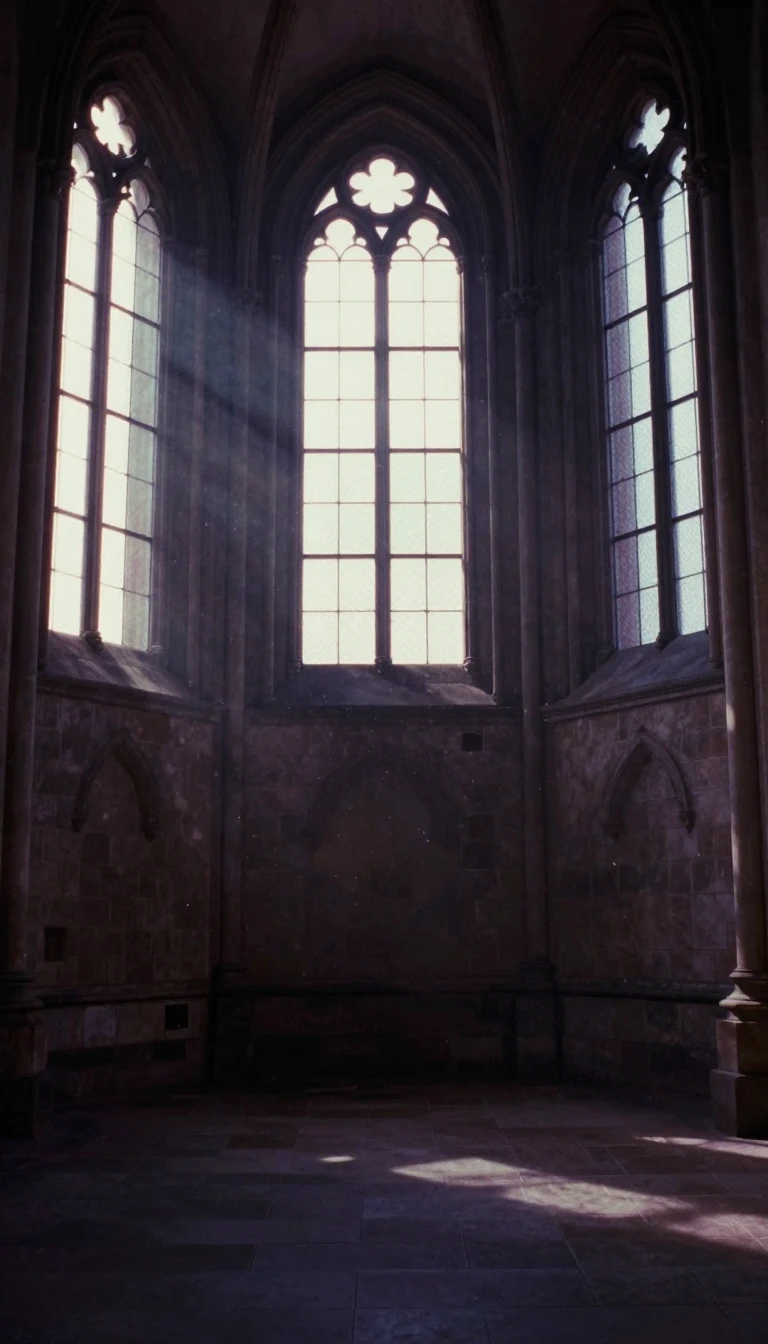
In short: Perched atop Montmartre, the Sacré-Cœur Basilica is a masterpiece of Romano-Byzantine architecture and a beloved Parisian landmark. Yet, beneath its gleaming white travertine exterior lies a century-old ideological battle. To some, it is a site of national penance; to others, a permanent monument to the violent suppression of the Paris Commune.
The basilica’s origins trace back to 1870, following France’s defeat in the Franco-Prussian War. Bishop Felix Fournier and philanthropist Alexandre Legentil championed the project as an act of national atonement, arguing that the country had suffered divine punishment for its moral decline since the French Revolution. Construction began in 1875 on the butte of Montmartre, a location chosen for its visibility and historical ties to Saint Denis. The project was funded entirely by private donations from millions of citizens, a financial reality that repeatedly saved the structure from being demolished by hostile parliamentary coalitions.
Architecturally, the building is a free interpretation of Romano-Byzantine design, featuring a massive central dome and an interior dominated by the expansive 'Triumph of the Sacred Heart of Jesus' mosaic. Completed in 1914 and consecrated in 1919, the basilica has been a site of perpetual adoration since 1885. Its construction was a monumental engineering challenge, requiring eighty-three deep wells to stabilize the foundations before the visible structure could rise. The white stone, sourced from Souppes-sur-Loing, remains exceptionally bright because it exudes calcite when exposed to rainwater.
The basilica remains deeply polarizing. Left-wing critics have long viewed the church as a symbol of the state's victory over the 1871 Paris Commune. This tension has manifested in various ways, from failed proposals to install a Statue of Liberty in front of the building to block its view, to the 1976 bombing of the interior. Even its 2022 designation as a monument historique sparked outcry from politicians like Jean-Luc Mélenchon, who characterized the official recognition as a glorification of the violence used against the Communards. Today, the designation ensures the site remains protected, effectively ending the long-standing political threat of demolition.
Opens the Intellect+ feed with this card first. Swipe up for the next one.
Sources
- Summary by Intellect · source: Sacré-Cœur, Paris
To cite this card, link to https://intellectplus.co.uk/app/art-sacr-c-ur-paris.
How we source, check and correct cards: Editorial standards.
General information, not professional advice. Spotted an error? Flag the card or see corrections and complaints.
Intellect Plus is a visual educational discovery platform for exploring fascinating facts and ideas. Brain Food, Not Brain Rot. What is Intellect Plus?
Related
More in Visual arts · More in Art · Latest · A–Z · All topics
