The million-line epic that shaped North African identity and survived for centuries
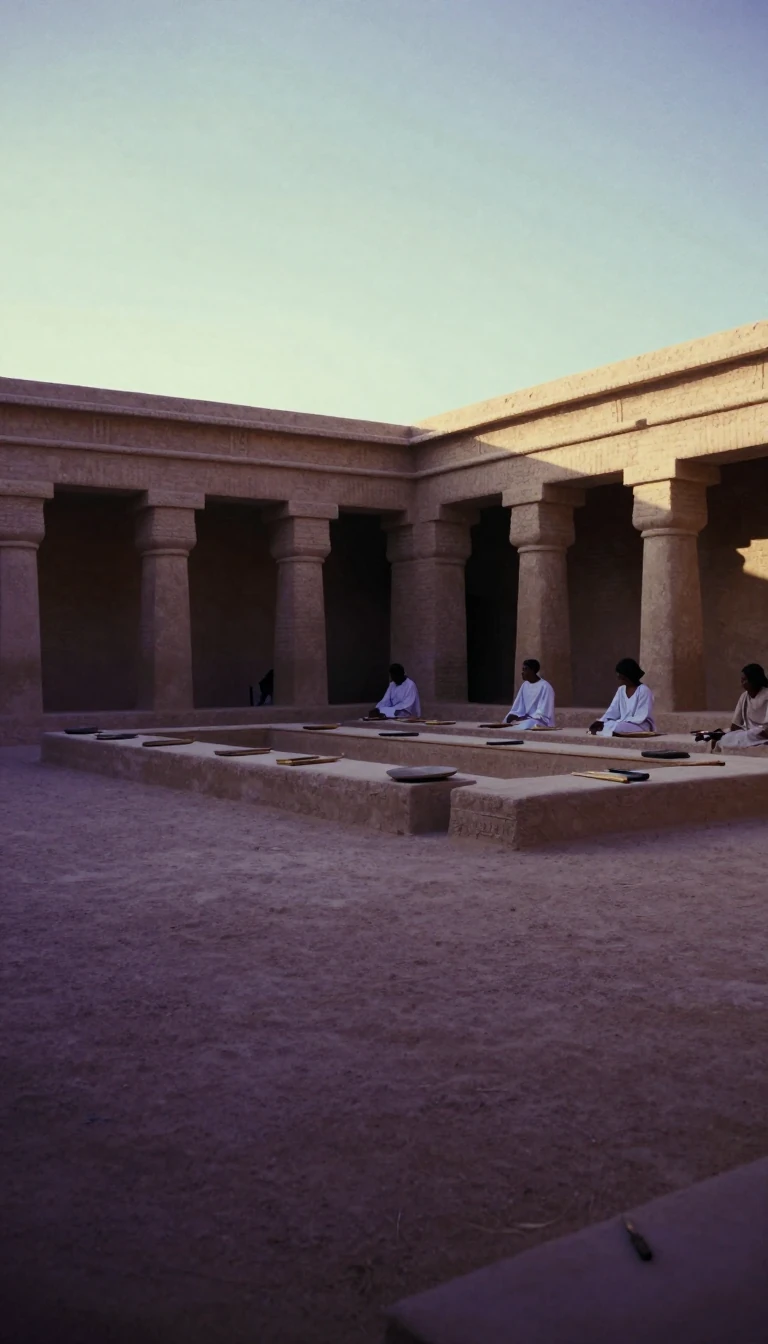
In short: The Sirat Bani Hilal is a massive Arabic oral epic recounting the 11th-century migration of a Bedouin tribe. Once widespread, this living tradition is now performed only in Egypt. It remains a unique musical and literary record of Arab history, customs, and heroism, preserved through demanding multi-year apprenticeships.
The Sirat Bani Hilal, or the al-Hilali epic, traces the journey of the Banu Hilal tribe from Najd to North Africa. While rooted in 11th-century history—specifically the Fatimid-sanctioned migration to punish Zirid rebels—the epic functions as a foundational narrative for Arab identity. It blends historical events with folklore, exploring themes of honor, war, and romance through characters like the warrior-outcast Abu Zayd al-Hilali and his rival, Khalifa al-Zanati.
Unlike many traditional epics, the Sirat Bani Hilal is a living performance. Master poets, often from specific families, accompany their singing with instruments like the rababa or nay. Apprenticeships are rigorous, lasting at least a decade, during which performers master memory, music, and the art of extemporaneous commentary. This allows them to adapt traditional plots to contemporary audiences, ensuring the epic remains relevant at social gatherings like weddings.
The epic’s scale is immense; the longest versions span one million lines and can take up to 100 hours to perform. Despite its cultural significance, the tradition faces threats from globalization and socioeconomic shifts in Egypt. Efforts to document and archive the epic, alongside its 2008 recognition by UNESCO as a vital piece of human cultural heritage, aim to ensure its survival for future generations.
While some historians debate whether the original migration was driven by political conflict or climatic and sociological factors, the epic's influence is undeniable. It has shaped the cultural heritage of regions as far south as Mali and Niger and remains a primary source for understanding the customs, food, and lifestyles of the communities that carried this oral history across centuries.
Opens the Intellect+ feed with this card first. Swipe up for the next one.
Sources
- Summary by Intellect · source: Sirat Bani Hilal
- Also: Art Institute of Chicago — Bani Salah, Fayyum, Egypt · CC0 (data); description CC BY 4.0
- Also: siratbanihilal.ucsb.edu — Home | Sirat Bani Hilal Digital Archive
To cite this card, link to https://intellectplus.co.uk/app/art-sirat-bani-hilal.
How we source, check and correct cards: Editorial standards.
General information, not professional advice. Spotted an error? Flag the card or see corrections and complaints.
Intellect Plus is a visual educational discovery platform for exploring fascinating facts and ideas. Brain Food, Not Brain Rot. What is Intellect Plus?
Related
More in Literature · More in Art · Latest · A–Z · All topics
