How a WWII battleship became the most influential vessel in Japanese science fiction history
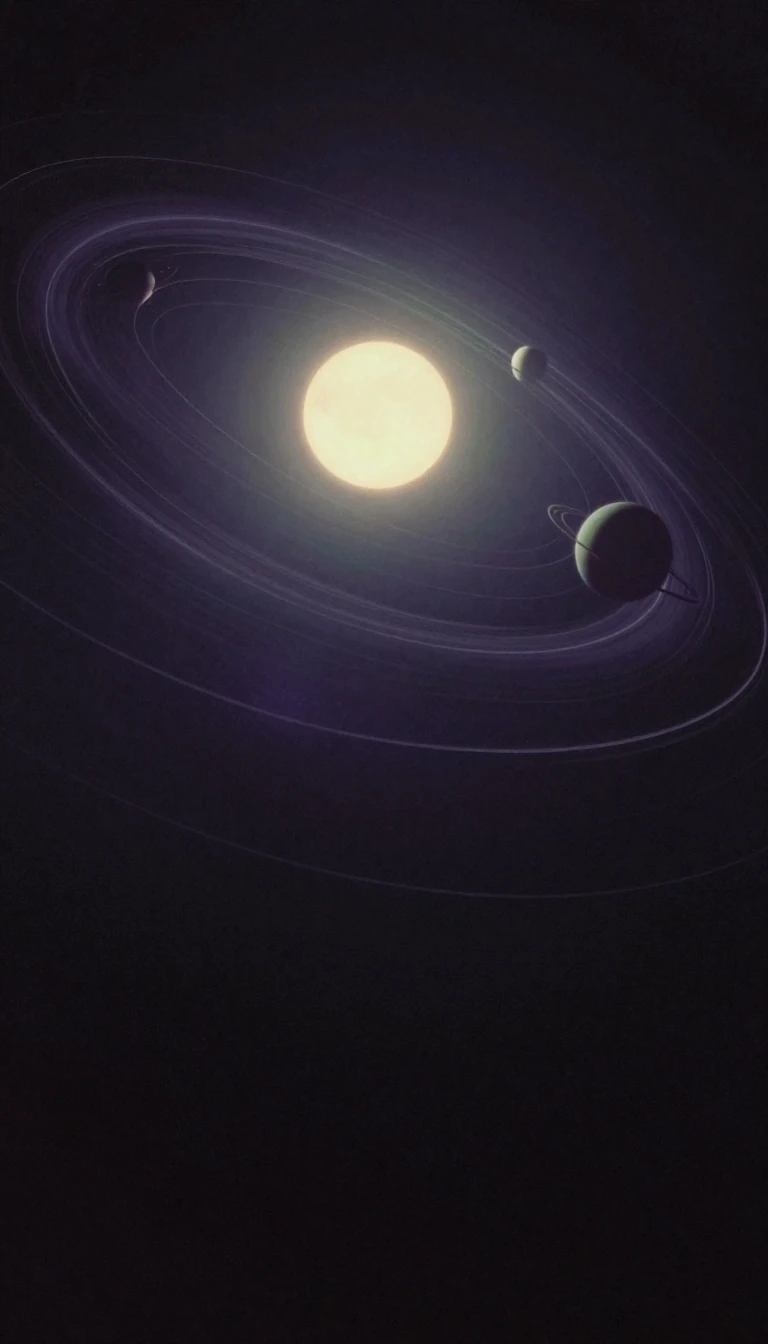
In short: Space Battleship Yamato transformed Japanese anime by introducing complex, serialized storytelling and mature themes. Originally conceived as a dark, asteroid-based survival story, the project evolved into an epic space opera that inspired legendary works like Evangelion and Gundam, forever changing how audiences perceived the potential of animated television.
The origins of Space Battleship Yamato trace back to 1973, when producer Yoshinobu Nishizaki sought to create a space-faring narrative inspired by literature like Methuselah's Children and Desecrated Earth. Early drafts were significantly grimmer than the final product, featuring a hollowed-out asteroid as a ship and a misanthropic crew where only one member survived. The project underwent extensive revisions, eventually incorporating the aesthetic of the Imperial Japanese Navy's battleship Yamato under the creative direction of Leiji Matsumoto.
The series debuted in 1974, depicting a desperate Earth facing extinction from radiation caused by the Gamilas empire. To save humanity, the crew must journey to the planet Iscandar to retrieve a device capable of restoring the environment. This premise allowed for a serialized, year-long mission that forced characters like Susumu Kodai to evolve from brash cadets into mature officers, a narrative structure that stood in stark contrast to the episodic nature of most animation at the time.
Despite its eventual status as a cultural touchstone, the production was plagued by financial instability and creative disputes. High costs forced the original 39-episode plan down to 26, and legal battles over copyrights between Nishizaki and Matsumoto frequently stalled later sequels. Nevertheless, the series' impact remains undeniable. By blending historical naval motifs with futuristic technology—such as the iconic Wave Motion Gun—Yamato established a blueprint for serious science fiction that influenced decades of subsequent anime, video games, and film.
The franchise's legacy is defined by its constant reinvention. From the 1977 theatrical film that condensed the first season to the later, often contradictory sequels like Be Forever Yamato and the 1983 Final Yamato, the story of the Yamato has been retconned, rebooted, and expanded repeatedly. Even as legal issues prevented the completion of projects like Yamato 2520, the series remains a foundational pillar of the medium, proving that animation could handle the weight of human survival, sacrifice, and complex moral ambiguity.
Opens the Intellect+ feed with this card first. Swipe up for the next one.
Sources
- Summary by Intellect · source: Space Battleship Yamato
To cite this card, link to https://intellectplus.co.uk/app/art-space-battleship-yamato.
How we source, check and correct cards: Editorial standards.
General information, not professional advice. Spotted an error? Flag the card or see corrections and complaints.
Intellect Plus is a visual educational discovery platform for exploring fascinating facts and ideas. Brain Food, Not Brain Rot. What is Intellect Plus?
Related
More in Film and television · More in Art · Latest · A–Z · All topics
